


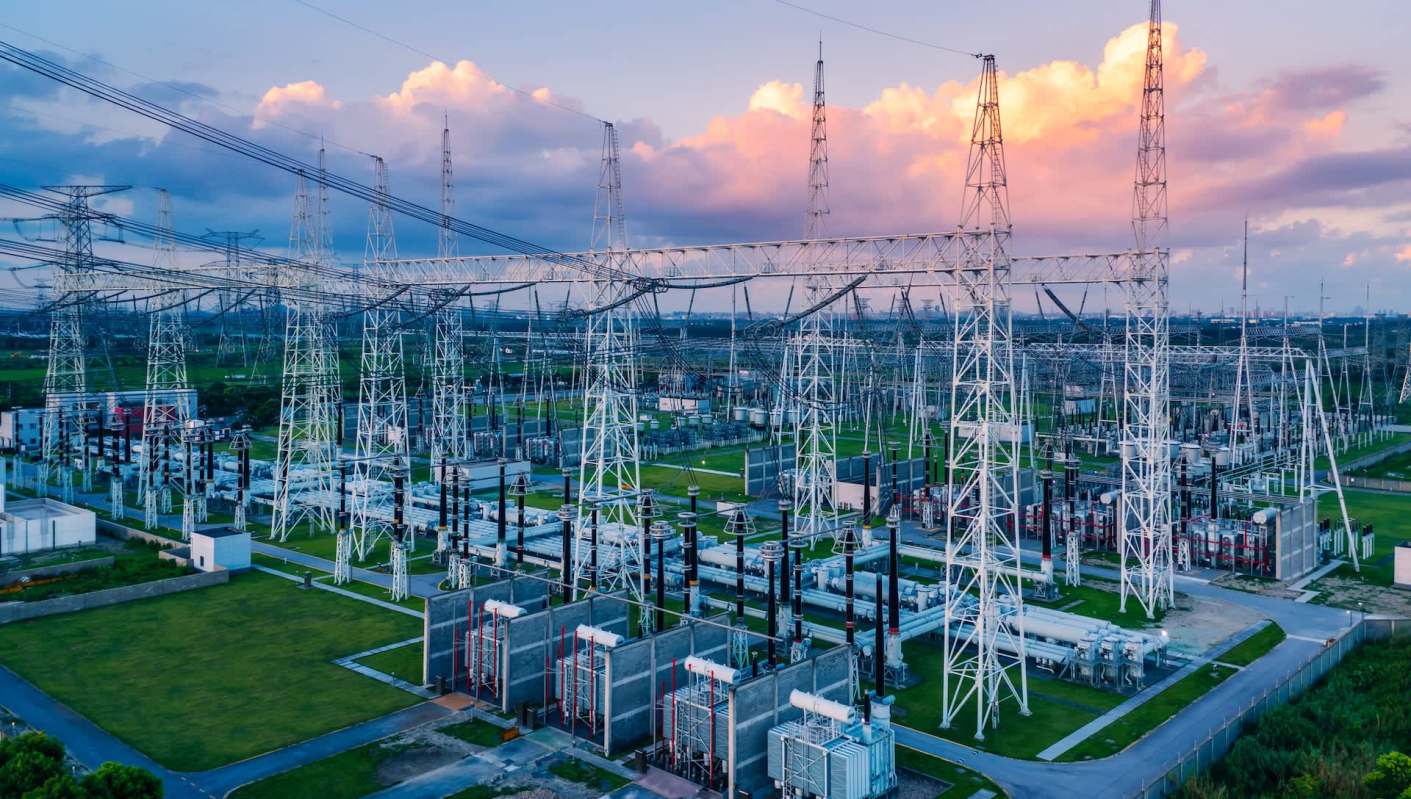
The Tennessee Valley Authority announced its support for the coal industry while abandoning clean energy priorities.
As the nation's largest public power provider, this shift raises questions about the role of federally owned utilities and about worsening pollution nationwide.
What's happening?
As Grist reported, TVA shared details about its coal commitment at a recent board meeting.
The announcement followed years of promises to invest in renewable energy and sustainable battery storage — and a political shift in the organization's board, as three Biden administration appointees were terminated and replaced with Trump administration choices.
The board attributed its refocus on coal to energy affordability and reliability as well as job creation. However, coal-powered plants have failed during storms, and spills have caused devastating environmental disasters in the region.
Why is a reliance on coal power problematic?
Coal is among the most toxic fuel sources in the world because of the harmful pollution it generates. Burning coal releases hazardous substances and contributes to air pollution that leads to serious health issues, including respiratory infections and lung cancer.
TCD Picks » Quince Spotlight
💡These best-sellers from Quince deliver affordable, sustainable luxury for all




This pollution also contributes to the steady overheating of the planet, which affects climate patterns and increases the likelihood and severity of extreme weather events.
Coal is also becoming less economically viable because coal plants are more expensive to operate than renewable energy infrastructure such as solar and wind farms.
TVA has been historically known for its political independence. But its move to fall in line with Trump administration policies and revert to supporting coal signals a disconnect between science, public input, and politics.
"People are upset. They feel like we're going backward," the Sierra Club's Amy Kelly told Grist. "The fact that these plants are from the '50s and '60s and we're just going to prop them up with Band-Aid solutions to appease the current administration is going to cost people."
|
Which of these savings plans for rooftop solar panels would be most appealing for you?
Click your choice to see results and earn rewards to spend on home upgrades. |
 Save $1,000 this year 💸
 Joe Schiller, a retired professor who lives near a Tennessee coal plant, called the power provider's support for coal "a betrayal," saying, "It contradicts everything they've told us about the plants in the past."
What's being done to advance clean energy policy?
Abundant scientific research demonstrates the harmful effects of coal-fired power plants on human health and the environment.
Efforts are underway to repurpose old coal plants to become cleaner and more sustainable while creating new jobs. Former coal plants are now home to backup battery energy storage solutions and have significantly reduced air pollution levels in nearby communities.
If you are concerned about coal power plants where you live, consider contacting your elected officials to voice your opinions. As the TVA issue demonstrates, energy policy is often closely connected to political leaders.
Voting for candidates who will take climate action can also set your community on the path toward clean energy solutions that support local jobs and breathable air.

Get TCD's free newsletters for easy tips to save more, waste less, and make smarter choices — and earn up to $5,000 toward clean upgrades in TCD's exclusive Rewards Club.






