


A small upland wading bird that has quietly disappeared from much of its former range is still breeding in Northern England. This time, it's backed up by data.
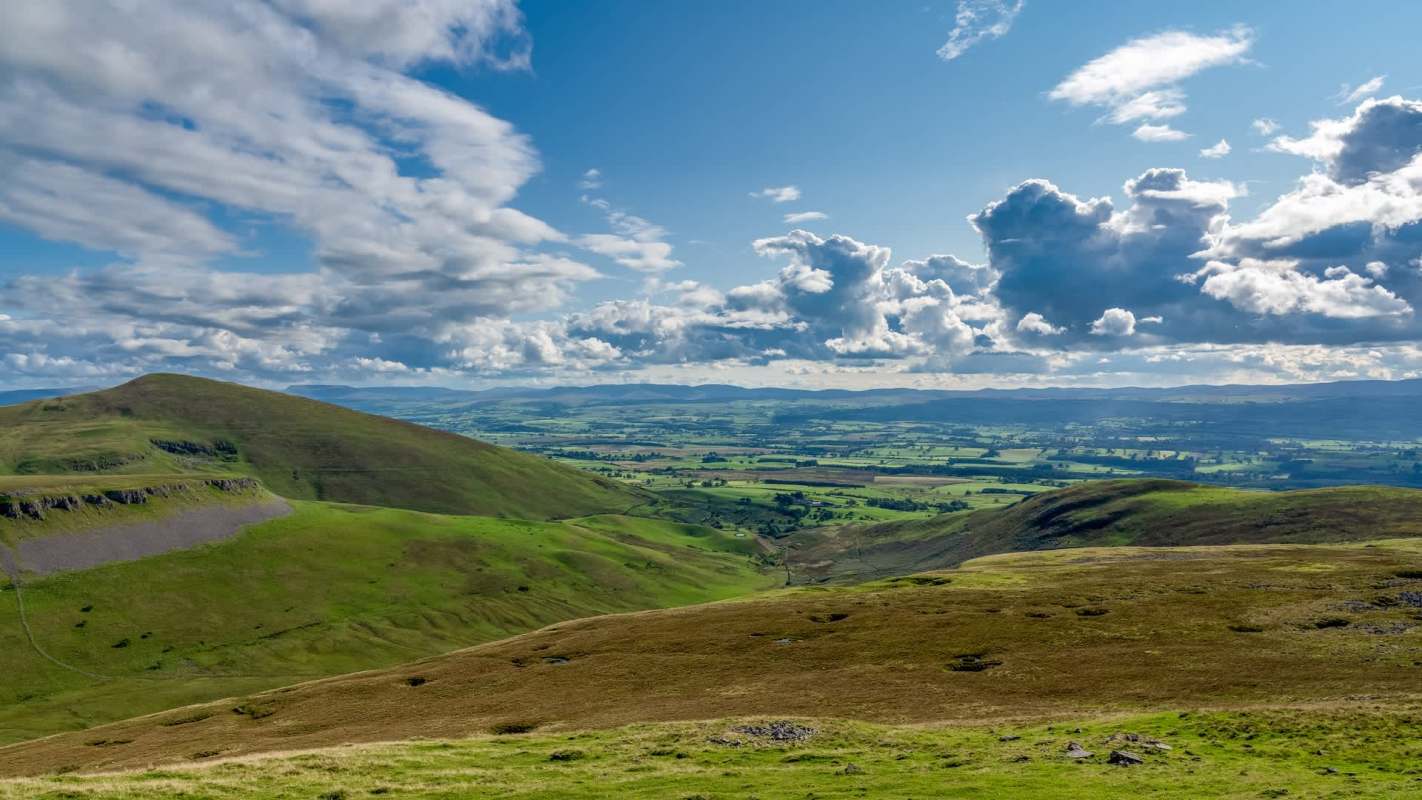
A Royal Society for the Protection of Birds (RSPB) survey across the Cumbrian Pennines found dunlin breeding in spots where no one had solid records for a long time, Inside Ecology reported. The survey ran through the 2025 breeding season, from May to July, and covered 14 upland sites. Dunlin showed up at eight of them. In total, about 30 birds were recorded.
Dunlin - Begazzin tat-Tizz A common small wader found along the coast with a distinctive breeding plumage, having a...
Posted by Birds of Malta on Monday, August 21, 2017
Dunlin populations have declined by at least 20% worldwide since the early 2000s. It's on the U.K.'s Near Threatened list and the country's Red List, mostly because its breeding habitat has been damaged or lost.
Surveyors went well off the beaten path to wet, uneven ground. They used drones, cameras, and small audio recorders, along with the standard field gear. At High Helbeck, years of peat work led to something simple but rare — footage of dunlin chicks feeding in a bog pool.
"To find dunlin breeding in new areas was extremely rewarding, and we hope our partnership efforts can contribute to their continued success in the Pennines," RSPB Senior Conservation Officer Dr. Elisabeth Charman said.
Dunlin isn't the only species showing signs of recovery. In Norfolk, stone-curlew numbers have slowly climbed again. In Essex, Montagu's harriers are nesting after years of absence.
TCD Picks » Quince Spotlight
💡These best-sellers from Quince deliver affordable, sustainable luxury for all




Similar patterns are also showing up outside the U.K., where protection and habitat efforts have helped rare species hold on or return. Conservationists tracking the red-headed wood pigeon in Japan have reported gains. Meanwhile, the white-winged flufftail in South Africa has reached a milestone after long stretches of uncertainty.
None of it happened quickly. It took years of steady work, trial and error, and conservation teams sticking to their goal. The same approach applies to other projects, including peatland restoration and smaller-scale activities such as rewilding yards. Incremental habitat changes give wildlife a better chance of coming back.
For landowner Nicolete Blackett-Ord, the dunlin's progress is especially gratifying: "To confirm breeding at High Helbeck is particularly special because we have worked with the RSPB and partners for several years, improving habitat, to enable wading birds to thrive."
|
Which of these savings plans for rooftop solar panels would be most appealing for you?
Click your choice to see results and earn rewards to spend on home upgrades. |
 Save $1,000 this year 💸
Get TCD's free newsletters for easy tips to save more, waste less, and make smarter choices — and earn up to $5,000 toward clean upgrades in TCD's exclusive Rewards Club.







