


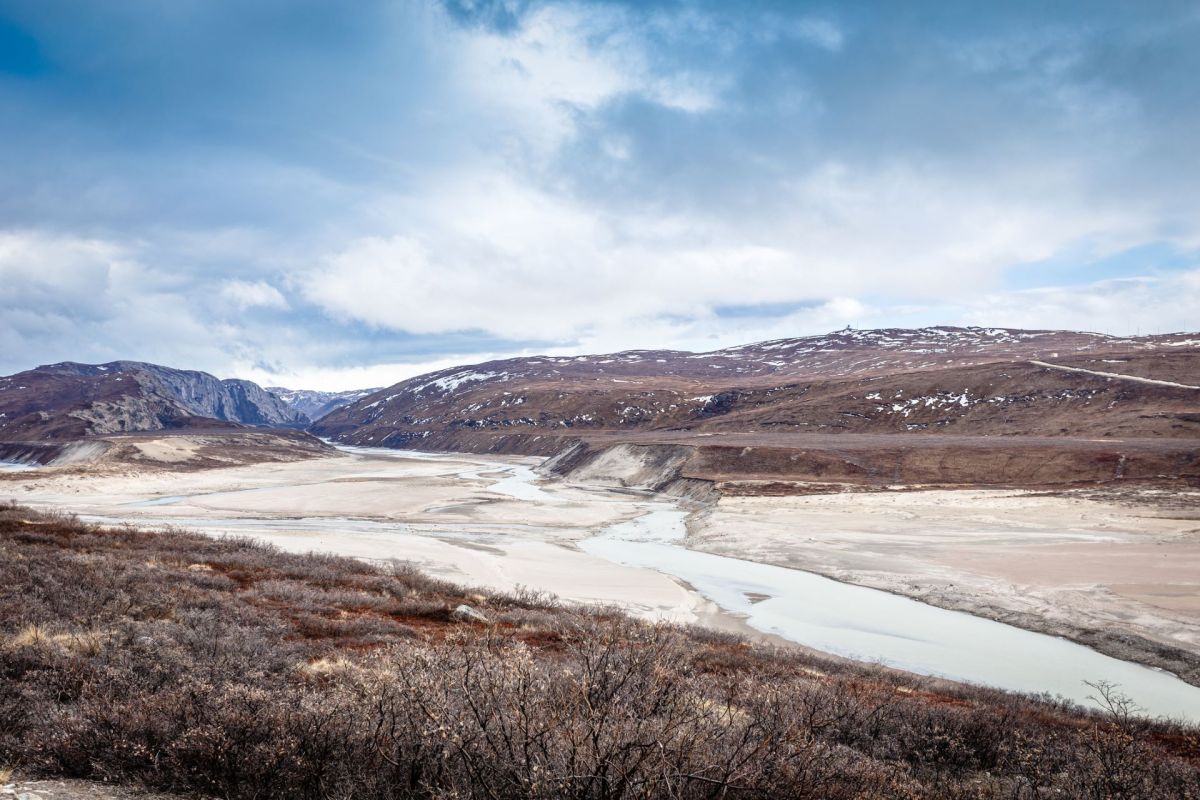
For over a thousand years, dogs have been companions to Inuit seal hunters and fishermen, pulling sleds across the Arctic. However, this component of Indigenous culture may soon be lost as Greenland's sea ice rapidly melts amid rising temperatures.
What's happening?
Permafrost in Ilulissat, Greenland, is melting due to rising temperatures, according to the Associated Press.
The nearby glacier Sermeq Kujalleq — one of the fastest and most active glaciers on the planet — has retreated about 25 miles in recent decades, shedding ice and contributing to rising sea levels.
Resident Jørgen Kristensen told the AP that wintertime temperatures in Ilulissat usually hit somewhere around -25 degrees Celsius (around -13 degrees Fahrenheit) in the 1980s. Kristensen said that there are now some days when temperatures reach a considerable amount above freezing.
With that, sea ice is disappearing, making it difficult for hunters to travel using traditional dog sleds.
Why is shrinking sea ice concerning?
Dog sledding is an important part of Inuit culture and local livelihoods. "If we lose the dog sledding, we have large parts of our culture that we're losing," Kristensen told the AP. "That scares me."
TCD Picks » Quince Spotlight
💡These best-sellers from Quince deliver affordable, sustainable luxury for all




Without stable ice sheets, hunters cannot access traditional hunting grounds, cutting them off from reliable food sources and income. And that loss of access to seafood doesn't just affect Greenland.
Arctic waters help supply global fish markets. According to the World Wildlife Fund, warmer waters can impact when and where fish spawn, disrupting commercial fisheries that supply seafood to global markets and support coastal jobs.
The Arctic Council has noted that Greenland is the largest regional source of sea level rise. As oceans rise, coastal cities face more frequent flooding, infrastructure damage, and saltwater intrusion into freshwater supplies.
What's being done?
Greenlanders are adapting where possible. Kristensen, who has opened his own company to educate tourists about his homeland, now teaches them about the consequences of pollution and rising temperatures to spread awareness.
|
Which of these savings plans for rooftop solar panels would be most appealing for you?
Click your choice to see results and speak your mind. |
 Save $1,000 this year 💸
 Scientists continue to monitor glaciers, developing potential solutions, such as remotely operated kayaks that can gather data to help refine predictions of glacier patterns and behavior.
The best way for communities to respond to challenges like Arctic melt is to stay informed about the issues that overheat the planet and support policies and initiatives that mitigate their impacts.

Get TCD's free newsletters for easy tips to save more, waste less, and make smarter choices — and earn up to $5,000 toward clean upgrades in TCD's exclusive Rewards Club.







