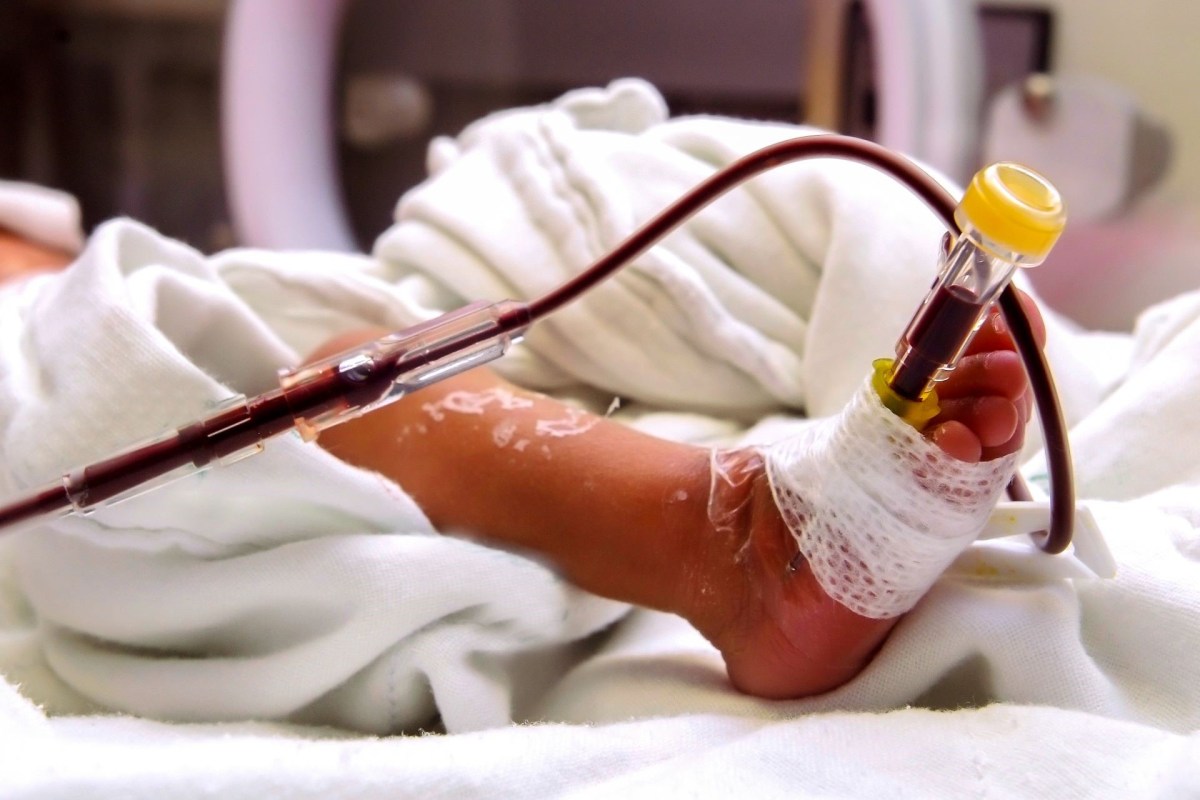
A first-of-its-kind study identified a gap in knowledge that could be hindering preventative care for children exposed to toxic chemicals in utero.
What's happening?
Researchers used non-targeted chemical analysis to scan for thousands of chemicals in umbilical cord blood. The approach was novel because traditional techniques only detect a shorter, predefined list.
In this non-targeted analysis, they found 42 confirmed or suspected PFAS (perfluoroalkyl and polyfluoroalkyl substances) in samples collected from 120 babies between 2003 and 2006.
"Our findings suggest that how we measure PFAS really matters," first author Shelley H. Liu, PhD, said in a press release from Mount Sinai, where Dr. Liu is an associate professor of population health science and Policy at the Icahn School of Medicine.
"When we look more comprehensively, we see that babies are exposed to far more PFAS chemicals before birth than we previously realized — and some of the patterns we thought we understood may change," Liu concluded.
Why is this important?
Also referred to as forever chemicals, PFAS can take hundreds or thousands of years to break down in nature and can build up in our bodies.
TCD Picks » Quince Spotlight
💡These best-sellers from Quince deliver affordable, sustainable luxury for all




Studies have connected prenatal exposure to low birth weight, developmental concerns, and altered immune responses to vaccines. According to the Centers for Disease Control and Prevention, childhood vaccinations prevent four million deaths globally every year.
"Our study helps show that prenatal PFAS exposure is more complex and widespread than earlier studies suggested," Dr. Liu said in the release. "Understanding the full picture is essential if we want to protect child health and reduce preventable environmental risks."
PFAS exposure is also associated with an increased risk of thyroid disease, cancer, fertility issues, and other health complications. As a result, dozens of states are restricting or banning PFAS in products like cookware, firefighting foam, and cosmetics.
What's being done about this?
The research team acknowledged that it still has much to learn about prenatal PFAS exposure. However, its learnings could eventually inform preventative medicine strategies.
TCD Picks » Quince Spotlight
💡These best-sellers from Quince deliver affordable, sustainable luxury for all
|
Which of these savings plans for rooftop solar panels would be most appealing for you?
Click your choice to see results and speak your mind. |
 Save $1,000 this year 💸
 "For now, this work helps lay the scientific foundation," Dr. Liu said. "Our goal is to move toward earlier identification and prevention, especially during sensitive windows like pregnancy."
Next steps include examining whether cumulative PFAS exposure early in life contributes to poor health outcomes, investigating the effects of understudied chemicals in cord blood, and honing tools that aid in primary disease prevention, according to the release.

Get TCD's free newsletters for easy tips to save more, waste less, and make smarter choices — and earn up to $5,000 toward clean upgrades in TCD's exclusive Rewards Club.