


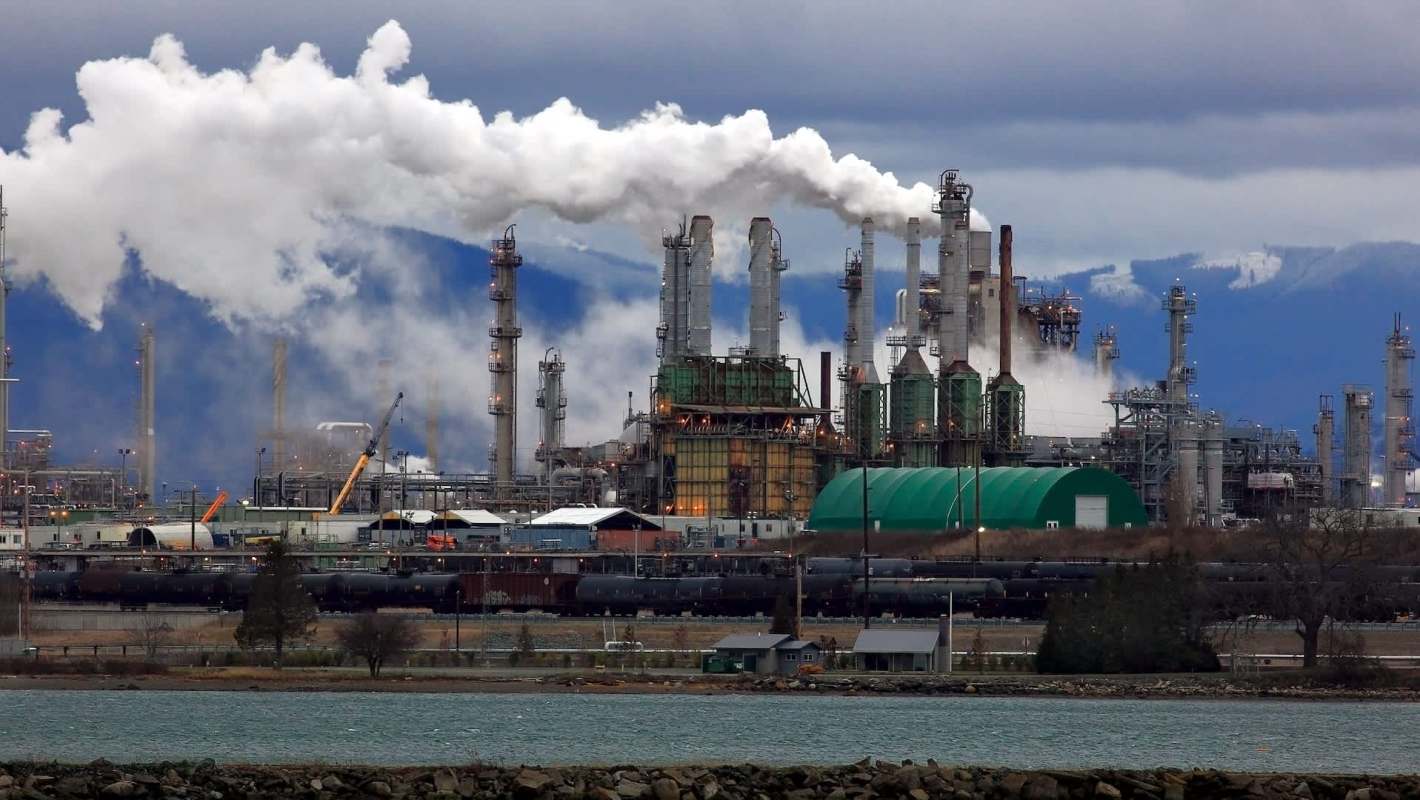
Just 32 corporations accounted for half of all carbon dioxide emissions from oil, gas, coal, and cement operations in 2024, according to a new report from nonprofit think tank InfluenceMap.
What's happening?
A new InfluenceMap analysis found that a shrinking cluster of heavy polluters is driving global carbon pollution. Five years ago, the operations of 38 companies accounted for half the world's fossil fuel- and cement-related CO2 emissions. By 2024, that number fell to 32.
The think tank's Carbon Majors database supplied the data on the companies, which, according to Inside Climate News, pumped out 37.4 billion metric tons of CO2 in 2024, a 0.8 percent jump from 2023.
State-controlled companies Saudi Aramco, Coal India, CHN Energy, National Iranian Oil Co., and Gazprom accounted for 18% of all carbon pollution in 2024. The biggest publicly traded polluters — ExxonMobil, Chevron, Shell, BP, and ConocoPhillips — were tied to 5.5%.
"The latest Carbon Majors data shows once again that large emitters are on the wrong side of history," said Christiana Figueres in an InfluenceMap press release. The former executive secretary of the United Nations Framework Convention on Climate Change helped shape the Paris Agreement.
She continued, "When we need to accelerate progress to the clean energy future that would give us greater energy security, affordability and freedom, these emitters continue to block our way."
TCD Picks » Quince Spotlight
💡These best-sellers from Quince deliver affordable, sustainable luxury for all




Why is this CO2 pollution concerning?
Close to two-thirds of those 32 top polluters grew their output from 2023 to 2024. The biggest contributors appear to be ramping up instead of pulling back on pollution.
This has real consequences for everyday people. Burning oil, gas, and coal fuels the extreme weather that endangers lives, destroys homes, and wrecks local economies. Pollution from these industries contributes to risks related to asthma, heart disease, cancer, and early death.
Industry lobbying slows down the shift to cleaner, cheaper energy options that could save families money and keep communities safer.
In the InfluenceMap press release, Tzeporah Berman, chair and founder of the Fossil Fuel Treaty Initiative, called out these companies for "actively sabotaging climate action and weakening government ambition."
|
Which of these savings plans for rooftop solar panels would be most appealing for you?
Click your choice to see results and speak your mind. |
 Save $1,000 this year 💸
 What's being done about carbon pollution?
During the 2023 United Nations Climate Change Conference, also known as COP28, nations committed, at least on paper, to shifting their energy sectors away from oil, gas, and coal. As of 2024, global clean energy investments were set to run at nearly twice the level of investments into fossil fuel-based energy.
Santa Marta, Colombia, will play host to the first International Conference on the Just Transition Away from Fossil Fuels this April. Organized jointly by Colombia and the Netherlands, the summit seeks to map out legal and economic paths forward.
Meanwhile, concerned residents worldwide can push for change at home. Individuals and communities are switching to electric appliances and systems when upgrades come due. And pro-environment candidates and policymakers are working to craft programs to accelerate the transition to cleaner, affordable energy.

Get TCD's free newsletters for easy tips to save more, waste less, and make smarter choices — and earn up to $5,000 toward clean upgrades in TCD's exclusive Rewards Club.






