


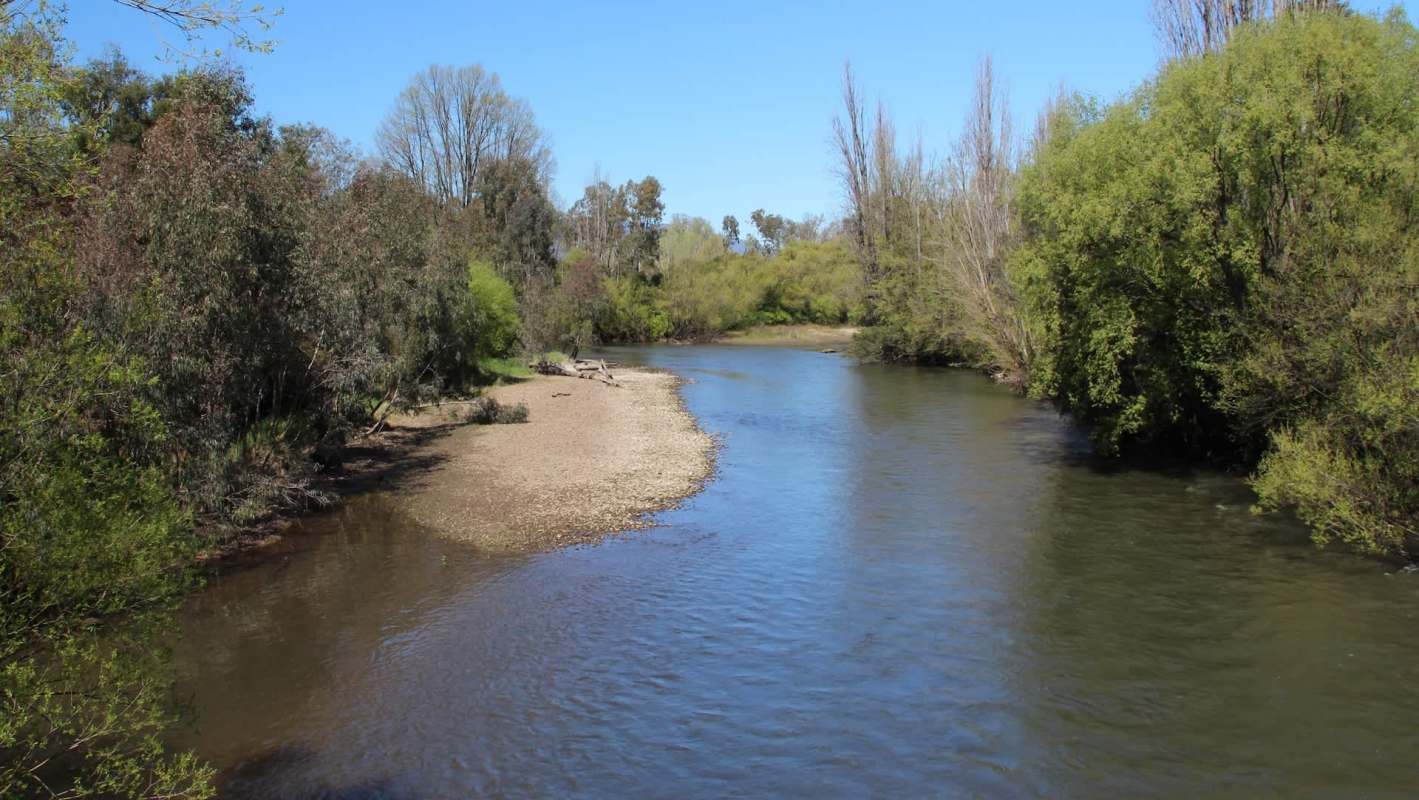
One fisherman in Australia spoke about how an invasive fish species is wreaking havoc in local waterways.
What's happening?
The Tumut and Adelong Times reported on invasive carp taking over local rivers and waterways in Tumut, a town in New South Wales, Australia. The Tumut River is full of three types of carp: Asian, European, and the mirror carp.
Carp are an invasive species in many parts of the world. They're native to temperate regions of Asia and Europe, but humans introduced them into Australian waterways in the 1850s.
They're especially invasive in the United States. Kansas wildlife workers have removed over 100,000 pounds of invasive carp from the Kansas River, but there's still more.
Why are carp a problem in Australia?
As a fisherman and local business owner Angus Reynolds, explained to the TA Times, "They are a scourge on the waterways because of their destructive feeding and incredible breeding capabilities."
Invasive species can cause chaos in ecosystems. They deplete essential resources, harm habitats, and can eventually force native species out by outcompeting them for resources. This disrupts food chains and the ecological balance, often leading to species extinction or population overgrowth.
TCD Picks » Quince Spotlight
💡These best-sellers from Quince deliver affordable, sustainable luxury for all




Reynolds explained, "They don't eat a lot of fish but they do destroy habitat and compete for food. They also raid the nests of other fish for eggs."
Carp are hogging all the food, reducing viable habitats, and even wrecking other species' breeding ability.
The problem is compounded by how rapidly carp can reproduce. As the TA Times noted, they can spawn four times per year, and a single female can produce 2 million eggs at once.
What's being done about invasive carp in Australia?
The New South Wales Department of Primary Industries' fact sheet on carp says it is legal to return captured carp to the water. However, the department encourages people to discard or use any carp they catch.
|
What's the most you'd pay per month to put solar panels on your roof if there was no down payment?
Click your choice to see results and speak your mind. |
 $200 or more 💰
 A program that incentivizes catching and killing carp could benefit waterways, such as the bounty program in Texas that paid anglers $100 for each invasive carp they caught.
Unfortunately, carp aren't the tastiest, but they can still be a good target for fishers.
Reynolds told the TA Times, "They're a great species to target and provide a lot of fun." He also noted that they can be a wonderful fertilizer for trees.
The Australian Government is researching the possibility of introducing cyprinid herpesvirus-3 to the carp population. But introducing a virus into the aquatic ecosystems could have far-reaching consequences, so this biocontrol strategy is far from approved.
Hopefully, scientists will develop a safe strategy for controlling the population. Until then, catching them, eating them, and fertilizing plants with them can help reduce their harmful impact on other species.

Get TCD's free newsletters for easy tips to save more, waste less, and make smarter choices — and earn up to $5,000 toward clean upgrades in TCD's exclusive Rewards Club.







