


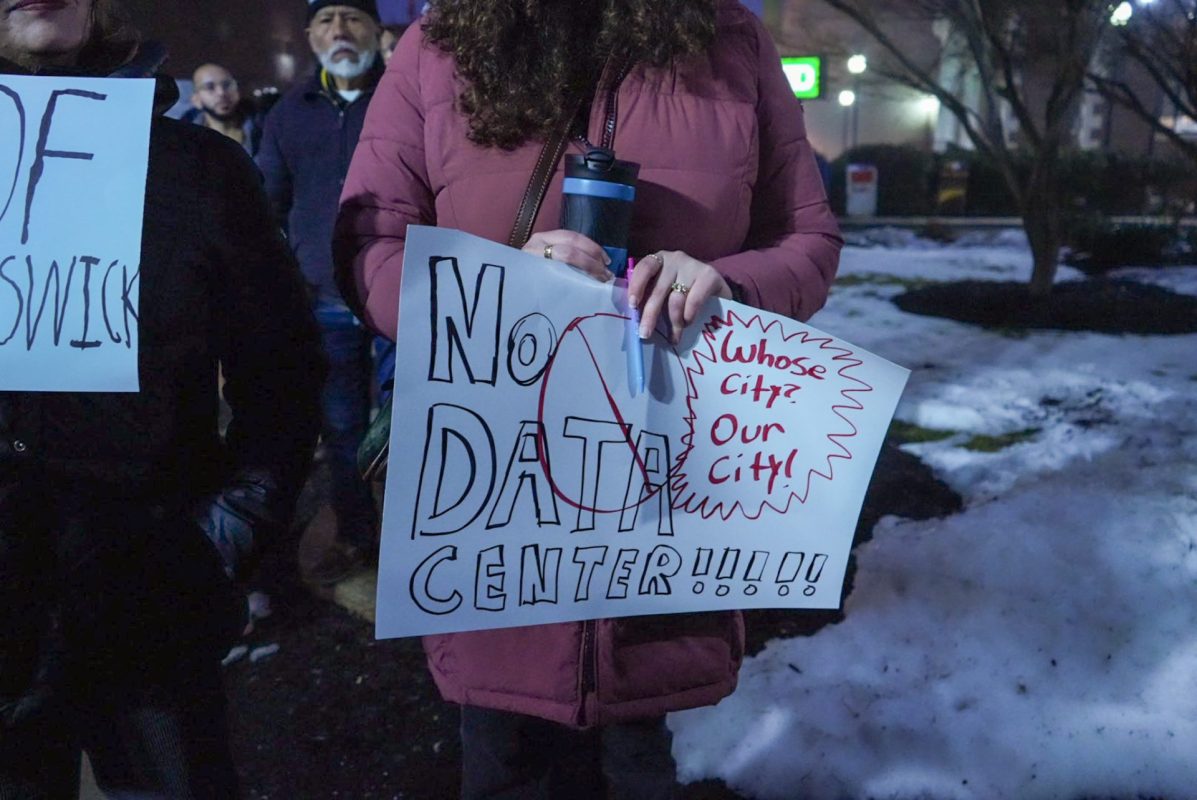
Ben Dziobek likes to think of himself as Paul Revere. At least, he does after watching the video his organization, Climate Revolution Action Network (CRAN), posted online Wednesday night.
In the clip, which now has over 4M views on X and over 326,000 likes on Instagram, Dziobek runs toward a group of people waiting outside a government building in New Brunswick, N.J., and screams, "They canceled it!" as the community erupts into applause and cheers.
In this case, "it" refers to a new AI data center.
Dziobek had the privilege of being the first to announce to his fellow protestors that their plan had worked: New Brunswick City Council killed its plans to build the data center, deciding to build a public park in the area instead.
"It was electric," Dziobek, who leads CRAN, an unfunded, Gen Z-led 501(c)(4) with a focus on climate and environmental justice policy, told The Cool Down of his Paul-Revere moment. "Decisions like this are not usually made this fast, and they are rarely made on the side of working people. So when it happened, it almost did not feel real."
The city council typically expects fewer than 50 New Jersey residents to attend its biweekly public meetings. But on Wednesday, the seven representatives were greeted by hundreds of protestors opposing the AI data center, despite its relatively small size. It was planned to be 27,000 square feet, while the average data center size is around 100,000 square feet.
TCD Picks » Quince Spotlight
💡These best-sellers from Quince deliver affordable, sustainable luxury for all




"AI and data center buildouts are accelerating nationally, and communities keep getting told to accept it as inevitable," Dziobek said.
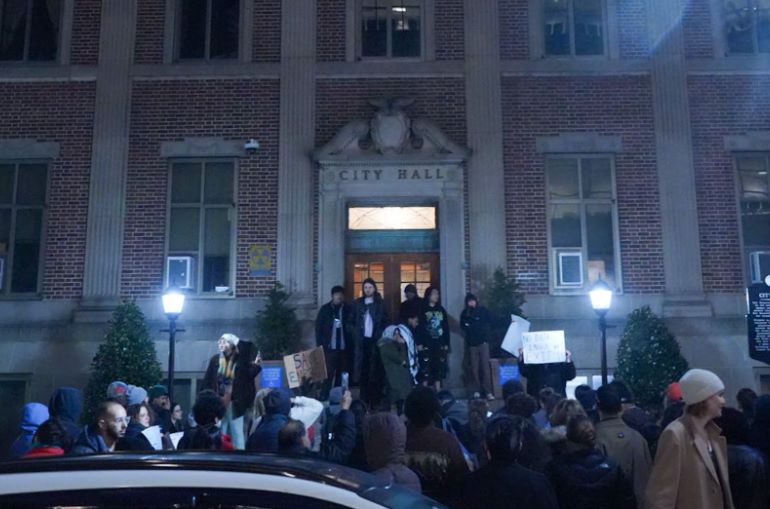
Photo Credit: Photo Credit: Mario Robles
The downsides of AI data centers
CRAN and other groups like it are concerned with the impact AI data centers have on surrounding communities.
AI requires significant energy to function, and supplying it can be extremely costly.
|
What's the most you'd pay per month to put solar panels on your roof if there was no down payment?
Click your choice to see results and speak your mind. |
 $200 or more 💰
 One MIT report from 2025 stated that 4.4% of all electricity used in the US in 2023 — 176 terawatt-hours, reportedly the equivalent of powering 16 million homes for one year — was exclusively from data centers.
This amount is expected to double or triple by 2028. For example, Meta's $27 billion Hyperion in Louisiana is anticipated to require more than twice the power of the entire city of New Orleans, the Lincoln Institute of Land Policy reported.
As more data centers are built, residents in nearby areas will be able to "feel it through higher [energy] bills," Dziobek said.
These higher energy bills are expected to hit lower-income households hardest, according to analysts at Goldman Sachs, because electricity accounts for a larger share of their overall spending. The impact will also be greater in regions with a high concentration of data centers, which tend to have lower average incomes.
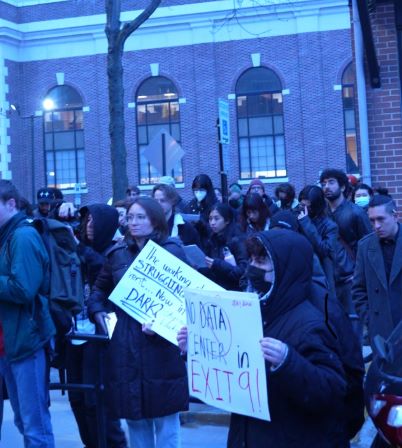
Photo Credit: Photo Credit: Mario Robles
With all this energy usage, data centers also need a way to cool down.
"These facilities require massive cooling operations," Dziobek said. "That means drawing significant volumes of water at a time when water rates are also rising."
It is estimated that a large data center requires up to 5 million gallons of fresh water every day, the equivalent of what a town of 10,000 to 50,000 people uses, according to the Environmental and Energy Study Institute. Roughly 80% of the water used in these data centers evaporates, while the remaining 20% is discharged to wastewater facilities that may not be designed to regularly handle such high volumes of water.
Proponents of these projects often retort that building new AI data centers will create job opportunities for the communities where they're being built.
In reality, very few workers are needed to help operate these massive spaces. The Wall Street Journal reported that OpenAI's $500 billion Stargate data center in Abilene, Texas, which is a 100-acre campus totaling roughly 4 million square feet, will only have about 100 full-time employees.
"Data centers are extremely capital-intensive, but not labor-intensive once built," Dziobek said. "Long-term permanent jobs are typically limited relative to the scale of the project, while the community still carries the ongoing costs like grid upgrades, water use, noise, and diesel backup generator emissions."
Are AI data centers a growing problem in the US?
The number of data centers in the U.S. alone more than doubled between 2018 and 2021, and had doubled again by late 2025, the Lincoln Institute reported. It is theorized that the growing demand for these centers has exploded because of AI's newfound popularity.
All 50 states have a data center, and there are over 4,000 currently operating in the U.S. as of reporting. Virginia, Texas, California, and Illinois currently house the most data centers, with 570, 407, 288, and 210, respectively.
"At the state level, we need sensible policies that hold these companies accountable," Dziobek said. "That means mandatory disclosure of energy use, water use, and ownership structures. And it means requiring on-site clean energy and storage to offset their load instead of passing grid costs onto ratepayers."

Photo Credit: Mario Robles
For people who want to get involved in curbing the spread and impact, in-person protests clearly help, Dziobek pointed out.
"We learned about the [data center] proposal through public documents tied to the city's redevelopment process [and] community chatter," he said. "We wanted to show that local democracy still matters."

Get TCD's free newsletters for easy tips to save more, waste less, and make smarter choices — and earn up to $5,000 toward clean upgrades in TCD's exclusive Rewards Club.






