


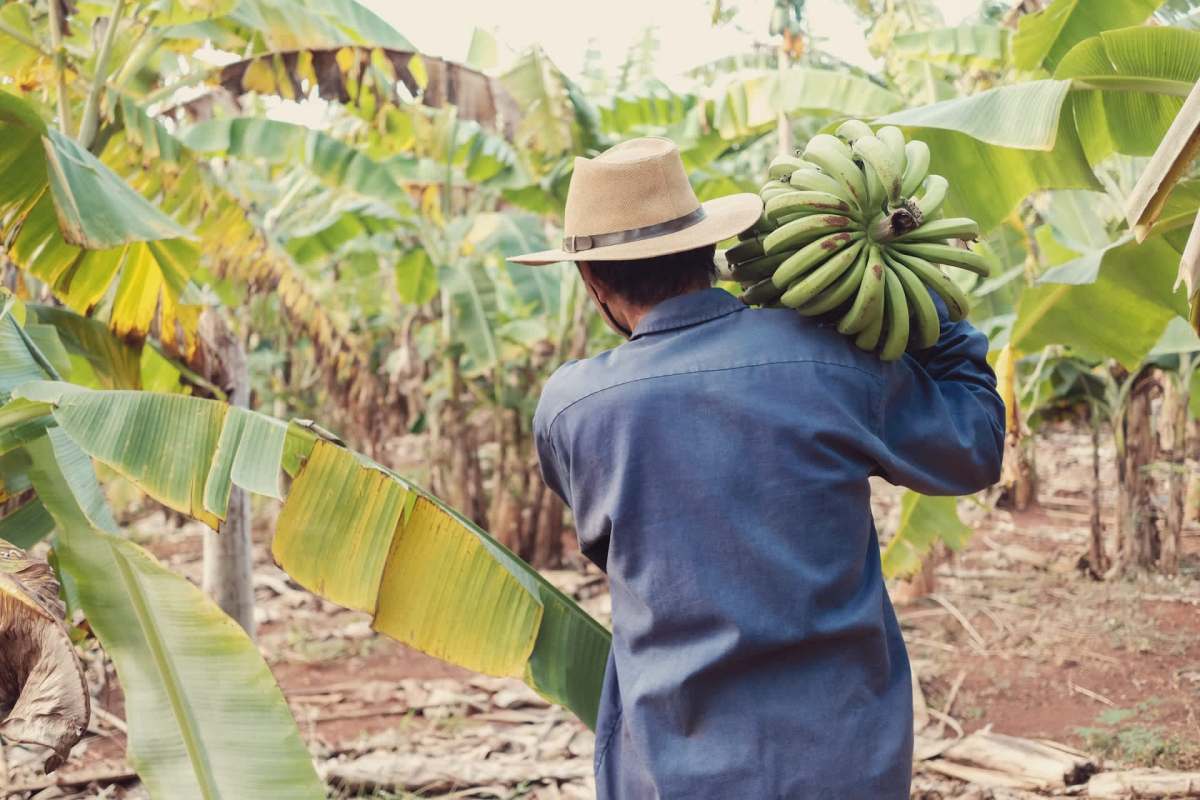
In yet another setback in a decades-long fight for justice, farmworkers poisoned by a toxic pesticide had a French appeals court reject their case, saying the damages awarded were too high, Deutsche Welle reported.
"We lost on the substantive public policy issue, with the court ruling that the damages were disproportionate, which we believe to be an error of assessment," said Raphael Kaminsky, a lawyer representing the farmworkers, per DW.
Kaminsky vowed to appeal the ruling.
What's happening?
Despite noted health risks, the pesticide known by the brand name Nemagon was widely used on banana plantations from the 1960s until as late as the 1980s. Though the United States banned its use in 1977, other countries, including Nicaragua, continued to allow it, according to DW.
Nemagon "is considered a highly toxic and likely highly carcinogenic compound," per The Violence of Development website. It also is known to cause infertility and birth defects.
"The chemical can be absorbed by ingestion, inhalation, or skin contact and persists for decades in the water and soil of contaminated areas, giving it a particularly dangerous legacy," the website states.
TCD Picks » Quince Spotlight
💡These best-sellers from Quince deliver affordable, sustainable luxury for all




The U.S. banned the pesticide after it caused infertility among workers at an Occidental Chemical factory in California, yet its makers continued to sell Nemagon to Nicaragua, where Standard Fruit used it widely on banana plantations.
"I honestly think it's impossible to quantify the damage," said Grettel Navas, an assistant professor at the University of Chile who specializes in toxic pollution and public health, according to DW.
For decades, farmworkers who have suffered serious health consequences from their exposure to Nemagon have sought justice. In 2006, the workers achieved a massive victory, with a Nicaraguan court ordering Shell, Dow Chemical, and Occidental Chemical to pay $805 million in damages, per DW.
However, despite the court order, two decades later, workers still have not been able to collect.
Why is it important?
The tragic tale of Nemagon exposure is just one example of the ways in which the widespread use of toxic chemicals can destroy lives, with impacts on health and the environment that linger for decades.
|
What's the most you'd pay per month to put solar panels on your roof if there was no down payment?
Click your choice to see results and speak your mind. |
 $200 or more 💰
 It also shows how giant corporations can make massive profits on substances known to be highly dangerous and then escape accountability later.
Similar situations are raising alarm bells to this day. For example, the U.S. Environmental Protection Agency is moving toward re-approving the herbicide dicamba despite its links to serious ailments, including pediatric cancer.
The herbicide paraquat, which has been banned in approximately 70 countries because of its known health risks, remains legal in the U.S.
What's being done about it?
Though justice has evaded survivors of Nemagon exposure, dedicated attorneys and advocates continue to fight on their behalf. Similarly, environmental and public health champions are working to have dangerous chemicals banned from use.

Get TCD's free newsletters for easy tips to save more, waste less, and make smarter choices — and earn up to $5,000 toward clean upgrades in TCD's exclusive Rewards Club.







