


It's no secret that wildfires can be a destructive and traumatic event for any community. But beyond the flames, residents can experience a number of severe health risks stemming from wildfire smoke.
What's happening?
In an NPR report, health experts took a closer look at the impact of poor air quality caused by massive wildfires. While those with pre-existing medical conditions are often most at risk from particulate matter in the air, wildfire smoke can take its toll on even the healthiest of lungs over time.
In the last few years, North America has seen a number of widespread and devastating wildfires that have resulted in loss of life and billions of dollars in property damage. From Canada to southern California, numerous communities have felt the brunt of wildfires.
But the dangers of wildfires aren't just limited to those in a fire's path.
Wildfire smoke can contain many harmful pollutants. This includes carbon monoxide, nitrogen oxides, and sulfur oxides. Once lifted in the air, wildfire smoke and its pollutants are able to travel thousands of miles. This can dramatically reduce air quality for millions of people.
May-Lin Wilgus, a pulmonologist and professor at UCLA, noted that poor air quality index levels are not something a person should underestimate.
TCD Picks » Quince Spotlight
💡These best-sellers from Quince deliver affordable, sustainable luxury for all




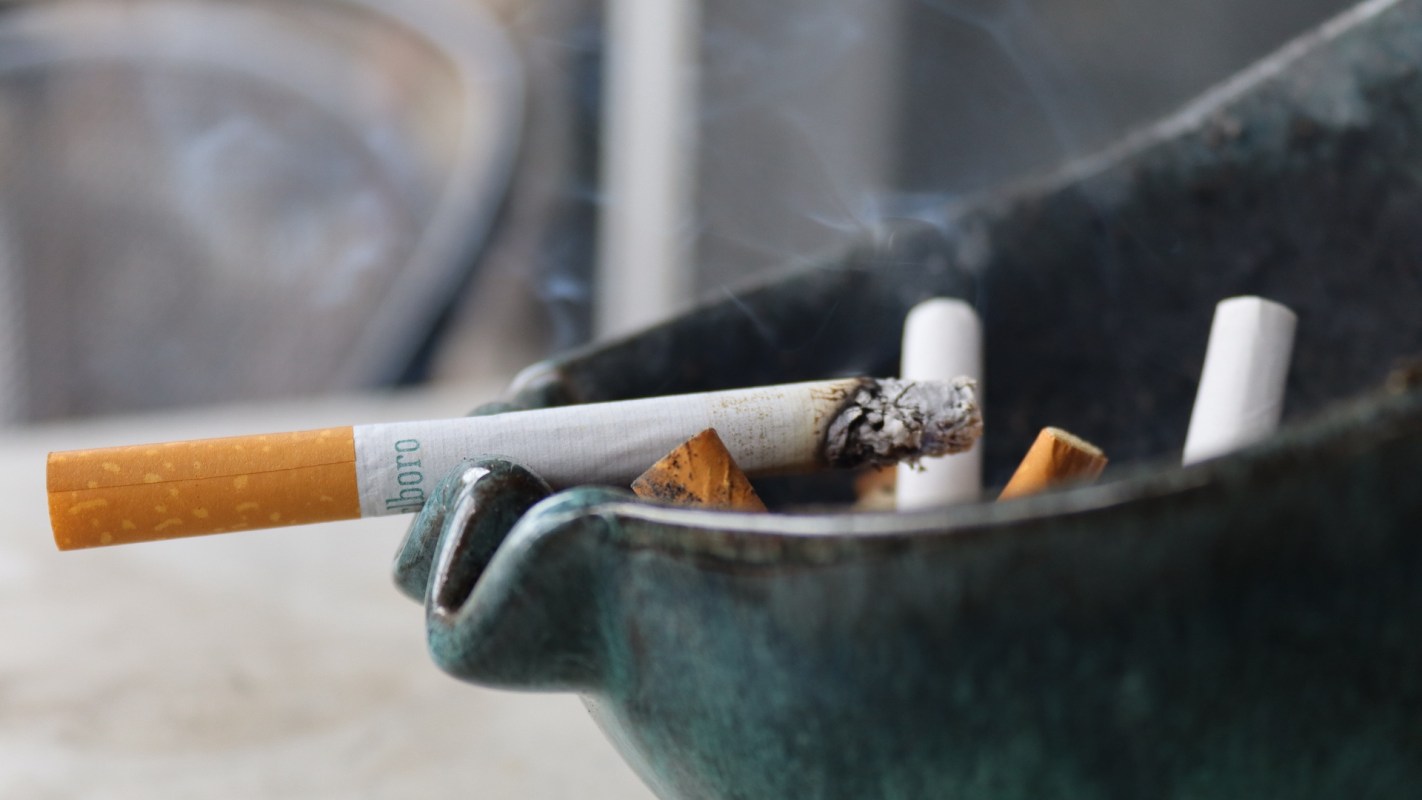
When an area's air quality index, or AQI, surpasses 100, "exposure to the fine particulate matter, the air pollution, is similar to smoking a quarter to half a pack a day," Wilgus told NPR.
Why is the smoke from wildfires important?
According to Wilgus, trips to the emergency room for respiratory issues increase when air quality levels plummet. Those suffering from asthma or COPD may experience more discomfort and worsening symptoms due to the elevated levels of pollutants outside.
And while massive wildfires have always affected the planet, experts fear that may be becoming more common as global temperatures continue to rise. As some communities face extended droughts, they may become even more susceptible to wildfires.
"Just maybe like 10 years ago, wildfire was an exceptional issue. It was something that happens once in a lifetime for most people," climate and health scientist Tarik Benmarhnia told NPR.
|
What's the most you'd pay per month to put solar panels on your roof if there was no down payment?
Click your choice to see results and speak your mind. |
 $200 or more 💰
 As the frequency of wildfires increases, more people may find themselves dealing with the far-reaching impacts. When a wildfire makes its way into populated neighborhoods, it can engulf buildings, cars, and other synthetic materials in its path. This creates particularly harmful smoke.
"It's just a toxic soup," said Lisa Miller, a wildfire smoke expert at the University of California. "Think of all the synthetic fibers that are present in your living room — in your couch, in your carpet, in your clothes. All those things can be particularly toxic."
What can be done to combat wildfire smoke?
As seen with the multiple wildfires that wreaked havoc in Southern California in early 2025, it can be extremely difficult for firefighting crews to control a massive blaze, especially in regions mired in a drought.
If you live in an area that is already prone to wildfires, it is always wise to stay alert to current conditions outside. For those downwind of wildfires, being aware of the potential dangers of smoke can go a long way in protecting your lung health.
"If you can smell smoke, those are times to limit your exposure as much as possible," added Wilgus.
That means limiting your time spent outside when the AQI reaches concerning levels. If heading outside is necessary, wearing an N95 mask can help protect you from fine particulate matter and other harmful pollutants.

Get TCD's free newsletters for easy tips to save more, waste less, and make smarter choices — and earn up to $5,000 toward clean upgrades in TCD's exclusive Rewards Club.







