


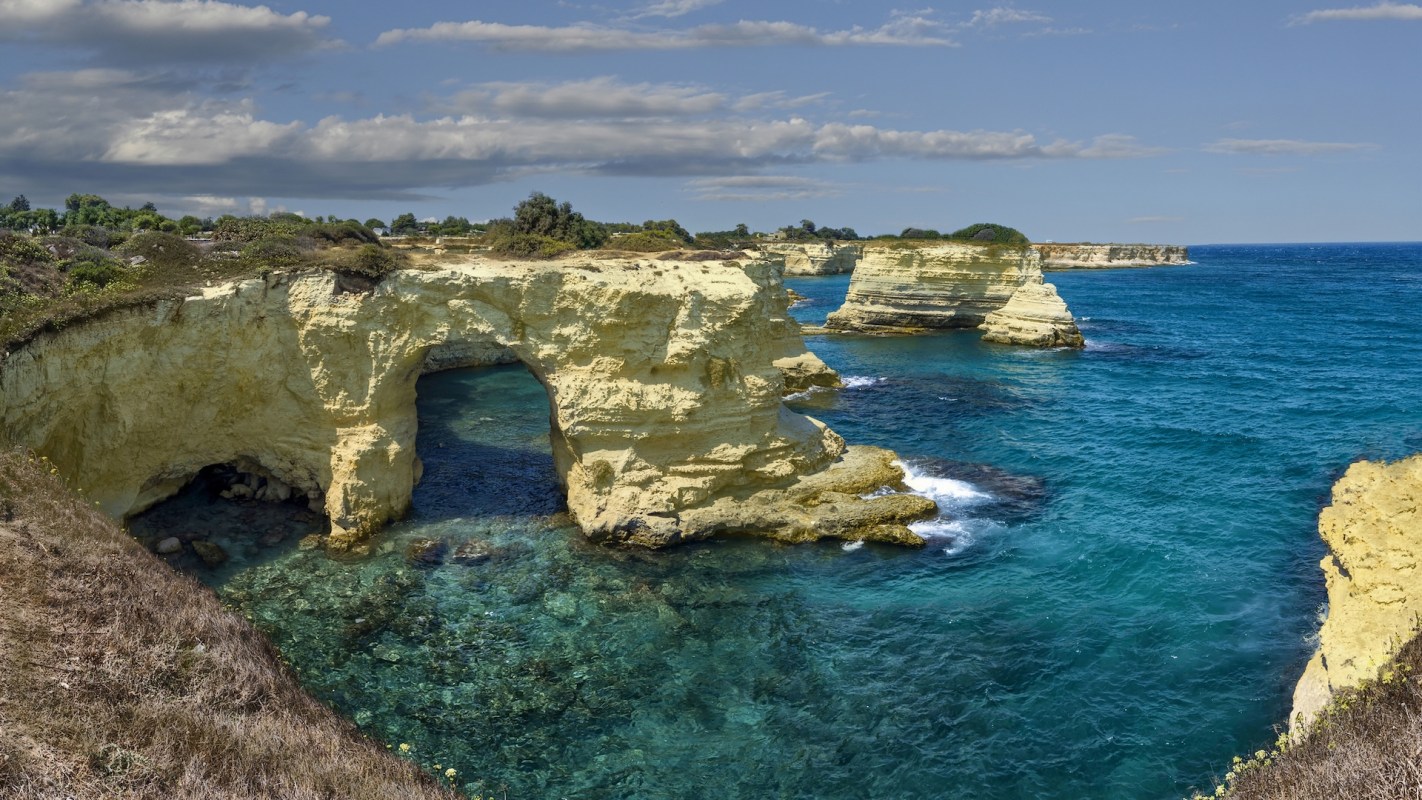
A beloved rock formation off the Adriatic shoreline in Italy known as the "Lovers' Arch" crumbled on Valentine's Day, brought down by days of punishing weather, reported Reuters.
What happened?
The arch sat among the Sant'Andrea sea stacks, a group of rock formations outside Melendugno in southern Italy's Puglia region. It had long drawn visitors looking to snap photos and pop the question at the scenic spot.
"This is an unwanted Valentine's Day gift," Mayor Maurizio Cisternino of Melendugno said in an interview with Corriere Salentino. He described the collapse as "a very hard blow" for local tourism and the town's reputation.
Days of torrential downpours and gale-force conditions, combined with churning ocean waters, pounded the shoreline until the structure gave way.
"Nature has taken back what it created," Cisternino said.
Why is coastal erosion concerning?
Officials have spotted fractures in neighboring cliff faces, warning that more of the shore could crumble next.
TCD Picks » Quince Spotlight
💡These best-sellers from Quince deliver affordable, sustainable luxury for all




The damage isn't confined to one arch. Along the Ionian Sea, storms have worn down miles of shoreline between Ugento and Gallipoli, wrecking beach facilities and sending sections of cliff into the water.
Southern Italy has absorbed over 1 billion euros in storm damage so far in 2026. A landslide in Niscemi, Sicily, displaced over 1,500 residents.
When storms grow more frequent and intense, they put lives at direct risk and drain local economies. Coastal communities that depend on tourism face both the physical loss of their land and the financial blow of fewer visitors.
What's being done about coastal erosion?
If you live near a coastline, contact your local representatives and voice your support for stronger coastal management policies.
TCD Picks » Quince Spotlight
💡These best-sellers from Quince deliver affordable, sustainable luxury for all
|
What's the most you'd pay per month to put solar panels on your roof if there was no down payment?
Click your choice to see results and speak your mind. |
 $200 or more 💰
 On a broader scale, cutting the pollution that overheats our planet is the most effective way to slow worsening storms and rising seas. Switching to energy-efficient technology and clean energy at home, like electric appliances and renewable electricity, is one meaningful step you can take.
Communities worldwide have started building natural barriers like restored wetlands and dune systems that absorb storm energy before it reaches homes and businesses.

Get TCD's free newsletters for easy tips to save more, waste less, and make smarter choices — and earn up to $5,000 toward clean upgrades in TCD's exclusive Rewards Club.







