


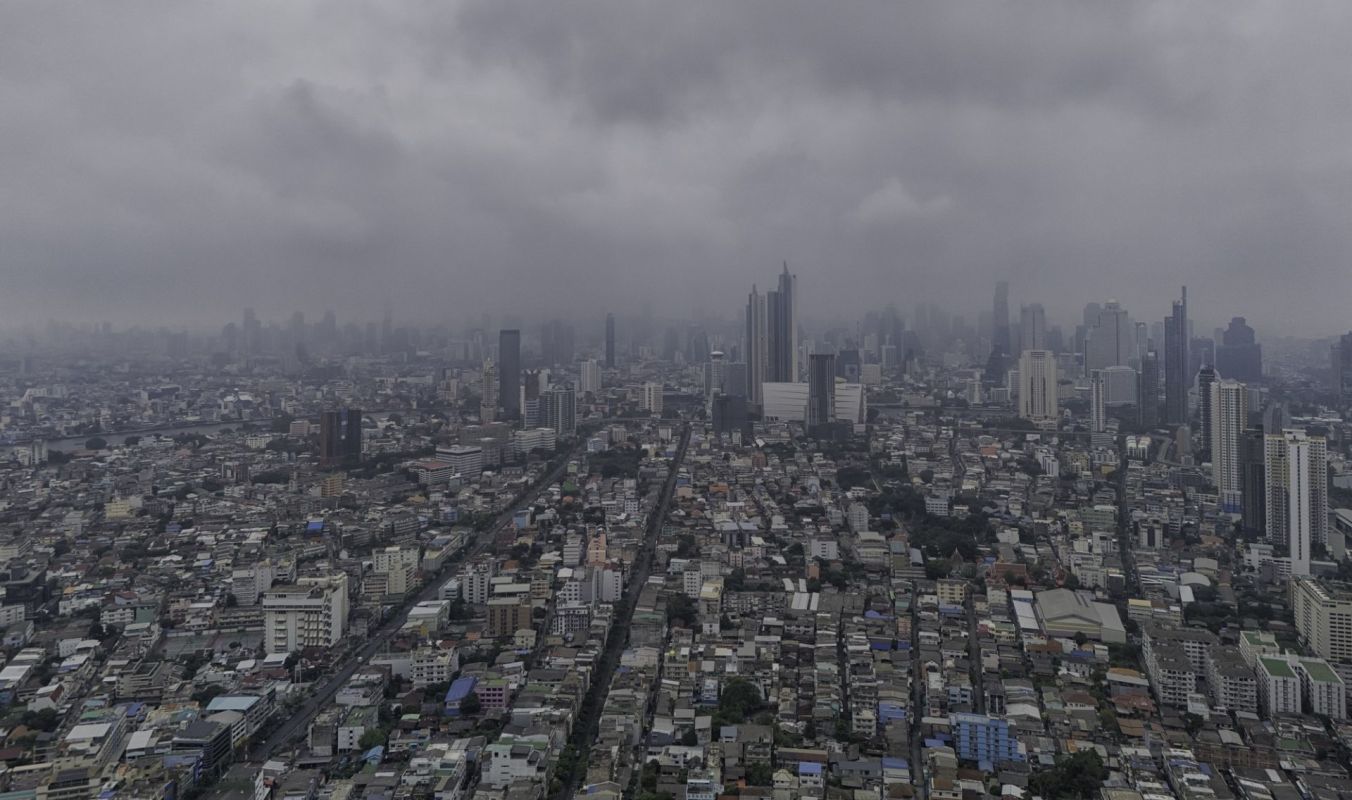
A shifting climate is often treated like a distant environmental problem, but experts increasingly warn it's also a major economic threat that many governments and financial institutions still aren't fully pricing in.
A January 2026 report called Parasol Lost, produced by the Institute and Faculty of Actuaries and the University of Exeter, argued that many climate risk models underestimate how quickly warming could destabilize economies — potentially costing nations billions of dollars through cascading disasters, inflation, and financial shocks.
What is planetary insolvency?
Planetary insolvency is the report's term for a worst-case scenario: society and economies becoming unstable because nature's life-support systems begin to break down, including reliable water supplies, food production, stable coastlines, and predictable climate patterns.
The authors warned that the world may be approaching a "break glass" moment, similar to the early stages of the global financial crisis, when leaders failed to recognize how interconnected risks could rapidly spiral into system-wide collapse.
The report cautioned that this could trigger climate-driven inflation, disrupted supply chains, rising migration pressures, and broader financial instability.
Why does planetary insolvency matter now?
The biggest reason it matters is simple: modern economies aren't built to withstand compounding climate shocks. Extreme heat, floods, wildfires, and stronger storms don't just destroy homes and infrastructure, but they also disrupt supply chains, drive up food prices, strain power grids, and force communities to relocate.
TCD Picks » Quince Spotlight
💡These best-sellers from Quince deliver affordable, sustainable luxury for all




The report also argued that earlier economic assessments often downplayed the threat. As Pensions Expert observed, the paper noted that some mainstream methodologies "excluded many of the most material risks," including sea level rise, nature degradation, and impacts on human health.
Insurance is one of the clearest early warning signs. The report noted that insured losses from natural catastrophes have surged in recent years and warned that, if trends continue, annual losses could climb toward $250 billion by 2035 — potentially leaving some regions difficult or even impossible to insure.
In the report's foreword, Sir David King, chair of the Climate Crisis Advisory Group, argued that policymakers need an urgent course correction grounded in up-to-date risk analysis, rather than outdated assumptions that treat climate disruption as a distant problem.
While addressing climate change is expensive, the report emphasized a critical reality: doing nothing — or acting too slowly — will be far more costly, from disaster recovery bills to long-term productivity losses and destabilized markets.
|
What's the most you'd pay per month to put solar panels on your roof if there was no down payment?
Click your choice to see results and speak your mind. |
 $200 or more 💰
 How a "planetary solvency" plan could reduce costs
The report called for a Planetary Solvency recovery plan, which includes speeding up the clean-energy transition, preparing communities for worsening extremes, protecting and restoring forests and other carbon sinks, and cutting fast-acting pollutants like methane.
People can help by supporting clean energy policies, reducing household pollution where possible, and using their purchasing and banking choices to favor climate-conscious companies.

Get TCD's free newsletters for easy tips to save more, waste less, and make smarter choices — and earn up to $5,000 toward clean upgrades in TCD's exclusive Rewards Club.






