


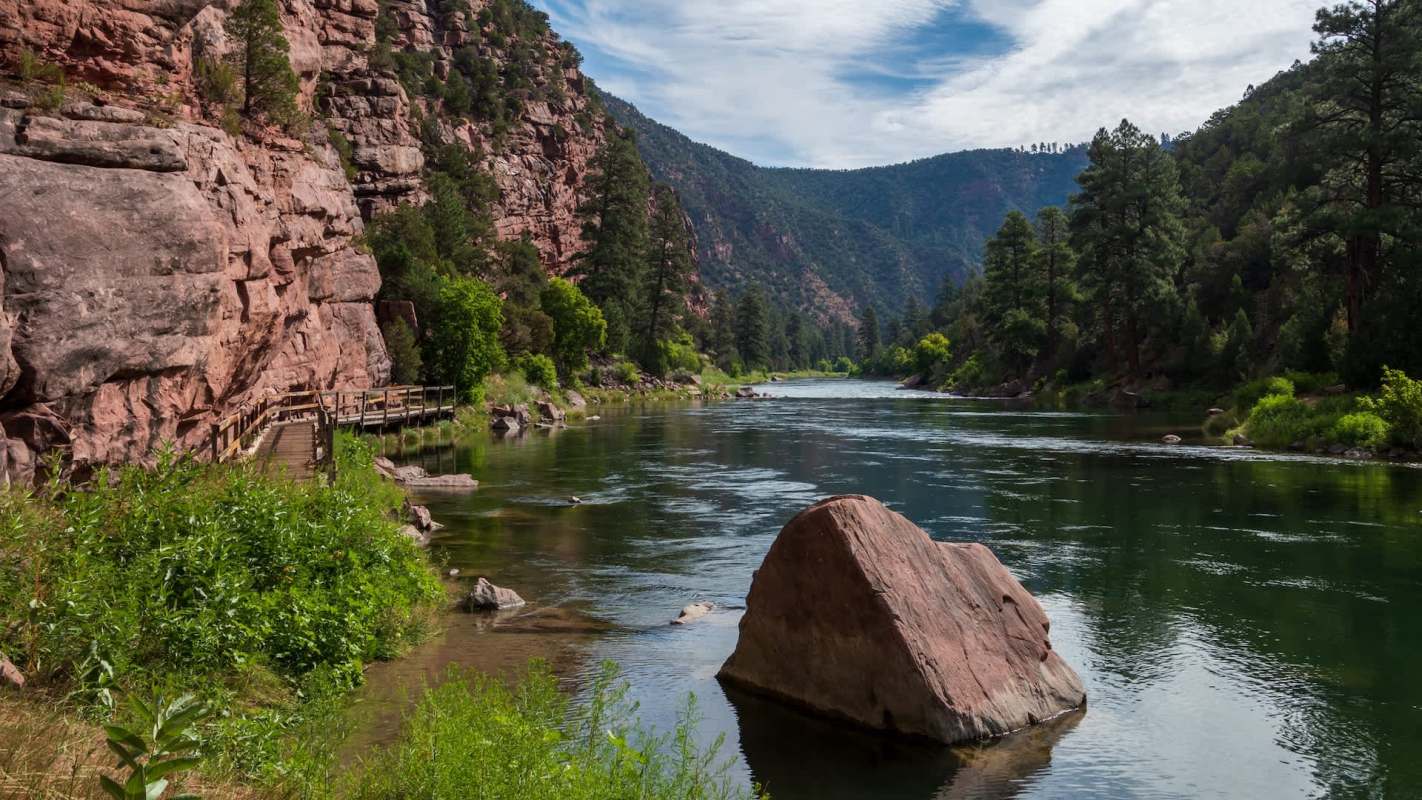
A critical reservoir in the western United States is facing urgent strain as a "snow drought" threatens water supplies across the Colorado River Basin, prompting officials to weigh early water releases.
What's happening?
As the Green River Star reported, low inflows are affecting Flaming Gorge Reservoir after a winter with a thin snowpack and very dry soils. Wyoming's largest reservoir can hold nearly 3.8 million acre-feet of water and supplies cities, farms, and power generation across several states.
"The ground is pretty dry out there, and so we are not incredibly optimistic about what the runoff is going to look like," Senior Assistant Attorney General Chris Brown told the publication.
Because Flaming Gorge is a vital backup during shortages, officials may release water earlier than planned to support downstream reservoirs — a decision that could worsen water scarcity by summer.
Why is the snow drought concerning?
Flaming Gorge supports municipal water supplies, agriculture, hydropower, and regional ecosystems as critical infrastructure. When reservoir levels drop, each of those systems feels the strain.
As a result, farmers cannot depend on predictable water availability, hydropower output becomes less reliable, and recreation-driven businesses suffer. Even winter events have been affected — the annual Burbot Bash ice-fishing tournament was canceled due to unsafe ice conditions.
TCD Picks » Quince Spotlight
💡These best-sellers from Quince deliver affordable, sustainable luxury for all




"This is going to be a very serious situation," John Hay III, president of the Rock Springs Grazing Association, told the Star.
Similar pressures are emerging elsewhere, including a flash drought in Texas that rapidly dried soils, disrupted crops, and hurt local economies. Meanwhile, in the Colorado River Basin, snow droughts are reducing water flow into reservoirs and complicating planning for communities and water managers.
These shifts threaten livelihoods and public safety, increasing the risk of higher food prices, economic instability, and water shortages during heat waves and wildfire seasons.
What can be done to prevent droughts?
Water managers are keeping a close eye on conditions and adjusting release plans across the Colorado River system to head off shortages later this year. Many are now planning for low-snow winters as a regular challenge, rather than a rare one.
|
What's the most you'd pay per month to put solar panels on your roof if there was no down payment?
Click your choice to see results and speak your mind. |
 $200 or more 💰
 Individuals can help by conserving water — fixing leaks, upgrading to efficient appliances, and capturing rainwater for garden irrigation — to ease pressure on shared systems.
Energy resilience matters, too. If water shortages disrupt power generation, outages can follow. Investing in solar panels can help to keep your home powered, lower your utility bills, and protect against rising energy prices, especially when paired with battery storage.
You can explore your options through TCD's Solar Explorer, which helps compare competitive bids from vetted providers and can save you up to $10,000 on solar installations. One partner, EnergySage, also offers a free service that connects you with trusted local installers and explains available incentives.

Get TCD's free newsletters for easy tips to save more, waste less, and make smarter choices — and earn up to $5,000 toward clean upgrades in TCD's exclusive Rewards Club.







