


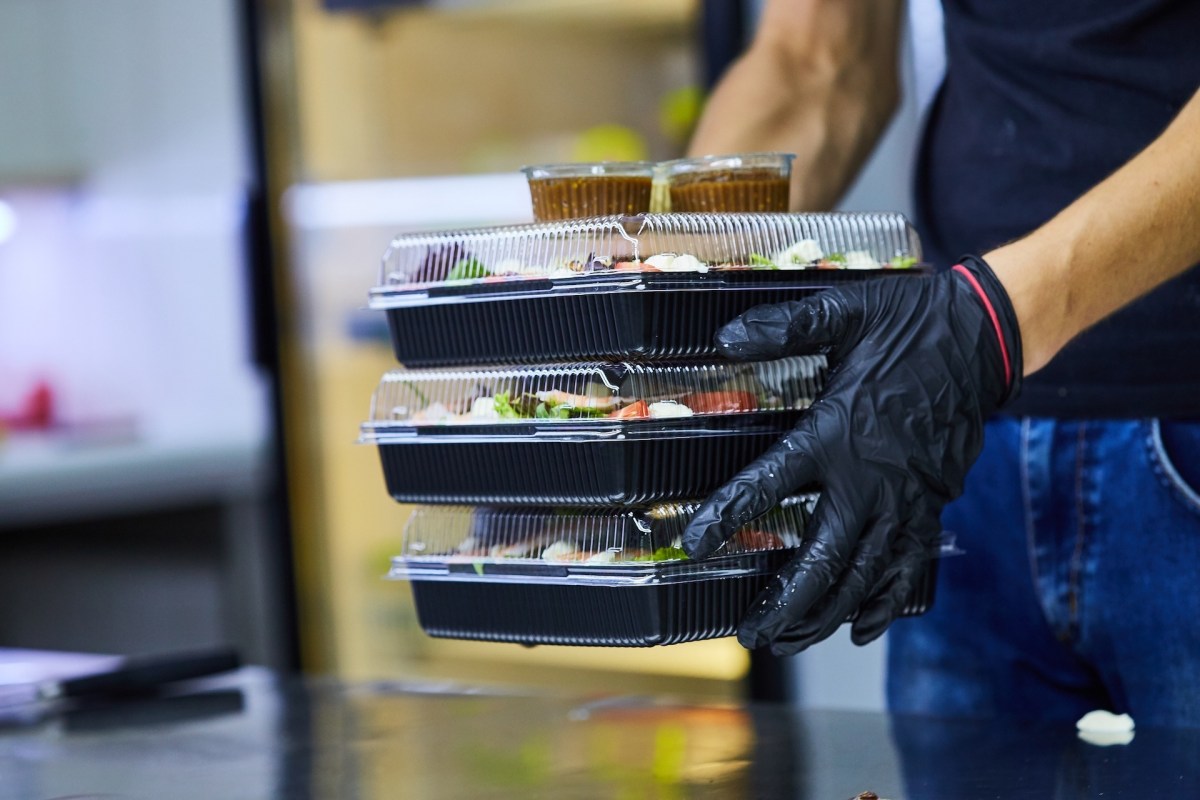
Denver is doubling down on a simple idea that could make takeout healthier, cheaper, and less wasteful for everyone: If you don't ask for it, you won't get it.
Under the city's "Skip The Stuff" ordinance, restaurants and third-party delivery platforms are required to provide single-use condiments and serviceware (such as plastic forks, napkins, straws, and ketchup packets) only when a customer specifically requests them.
Businesses that don't comply first receive a written warning, and repeat violations may result in fines of up to $999.
The rule, which took effect in 2022, is part of the city's broader effort to cut down on unnecessary waste and help restaurants reduce costs.
According to Upstream Solutions, restaurants in the United States use an estimated 561 billion disposable foodware items each year, generating nearly 4.9 million tons of waste. That's a lot of material that ends up in landfills, waterways, and wildlife habitats.
The environmental toll is also visible in heartbreaking ways. In Telluride, Colorado, a sick bear was euthanized after wildlife officials discovered its digestive system was blocked with plastic waste and trash. Reducing single-use plastics helps protect animals and keeps communities clean.
TCD Picks » Quince Spotlight
💡These best-sellers from Quince deliver affordable, sustainable luxury for all




At the same time, the ordinance is designed to give consumers a choice. Customers can still request whatever they need; they just have to ask. Exemptions exist for self-serve stations, certain prepackaged meals, and food provided as part of social services.
Critics argue that the rule adds friction to ordering and could slow down service. Others worry about accessibility for customers who rely on utensils or napkins.
The Mile High City's approach looks to balance those concerns by focusing on education first, helping restaurants comply before issuing fines.
For diners, this shift is an easy win. Keeping a reusable utensil set in your bag or car, or simply checking a box when you need plasticware or condiments, helps reduce waste without giving up convenience.
|
What's the most you'd pay per month to put solar panels on your roof if there was no down payment?
Click your choice to see results and speak your mind. |
 $200 or more 💰
Get TCD's free newsletters for easy tips to save more, waste less, and make smarter choices — and earn up to $5,000 toward clean upgrades in TCD's exclusive Rewards Club.






