


A recent TikTok video is sparking conversation about how cities landscape their public spaces and whether those choices are doing more harm than good.
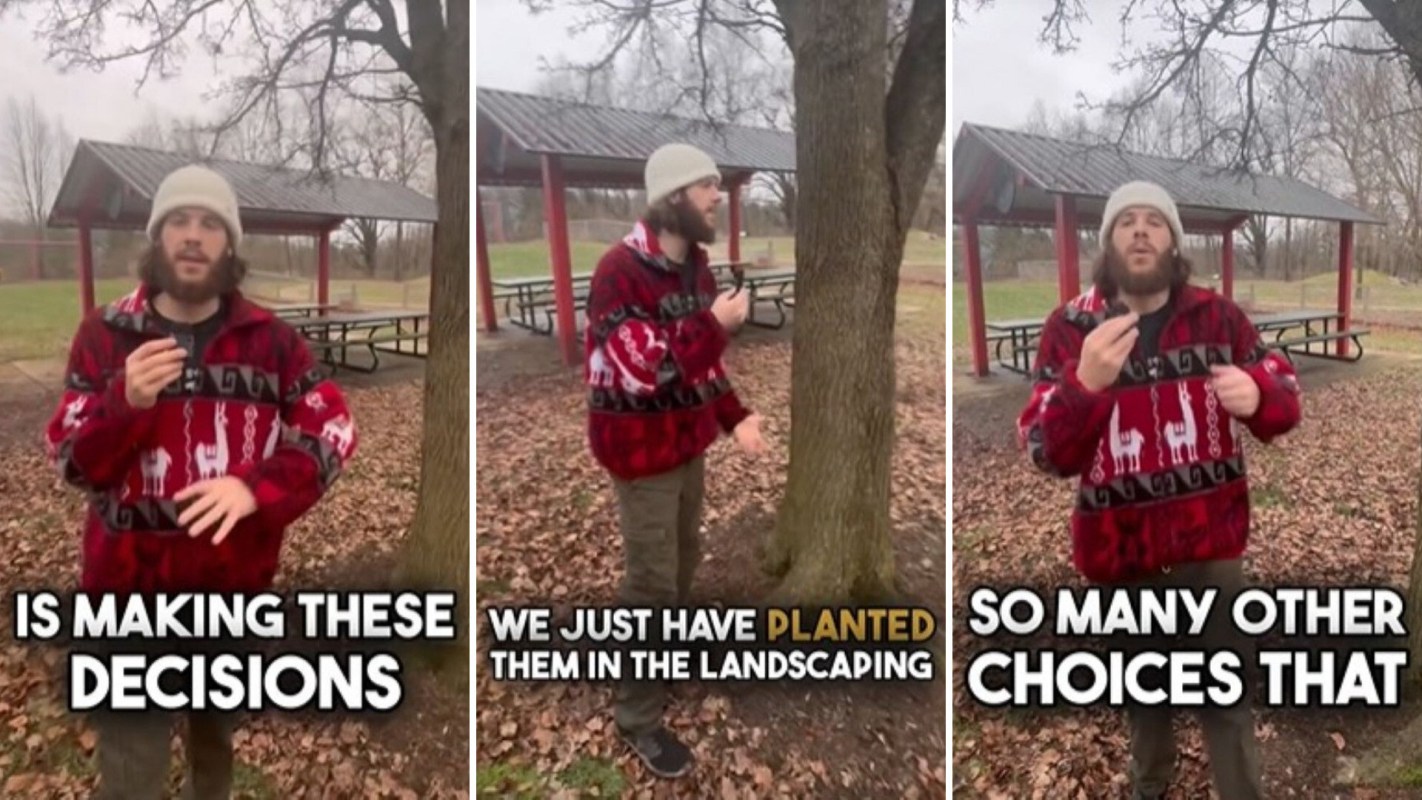
In the video, creator and nature educator Jonny (@jonnynature1) walks through a local open-space park. Instead of celebrating the greenery, he zeroes in on what he sees as a major problem: Bradford pear trees.
"I really don't understand who is making these decisions," Jonny says in the video. "This is the last thing we should be planting in our parks." He goes on to call the trees invasive and a sign of how "unaware and uneducated we are with our landscaping choices in this ecosystem."
@jonnynature1 Invasives species planted in local parks landscaping is not a good look. These are the places that have to be leading the way with native plantings!! 🌿 #nature #native #invasive ♬ realization (slowed) - FutureVille
Bradford pear trees were once popular for their fast growth and springtime blooms, but experts now widely agree they pose serious ecological issues. As an invasive species, they spread aggressively, crowding out native plants that local wildlife depend on for food and shelter. Their dense growth can reduce biodiversity, leaving birds, insects, and pollinators with fewer resources to survive.
"Bradfords aren't even good trees!" one commenter wrote. "They smell bad and they are so messy."
Bradford pears are also notorious for weak branches that split easily during storms, creating costly cleanup efforts and safety hazards. For cities and homeowners, that means higher maintenance costs, damaged property, and frequent replacements. Over time, what seemed like a low-maintenance landscaping choice becomes an expensive and frustrating burden.
TCD Picks » Quince Spotlight
💡These best-sellers from Quince deliver affordable, sustainable luxury for all




Native plants, on the other hand, are better adapted to local climates and soils.
They typically require less water, fewer chemicals, and less upkeep once established. More importantly, they support native insects, birds, and pollinators that have evolved alongside them, helping ecosystems remain balanced and resilient.
As Jonny plainly put it, landscaping decisions prioritize appearance and convenience over long-term environmental health. As cities rethink sustainability and climate resilience, choosing native plants for parks and public spaces is a simple but powerful step toward healthier ecosystems.
For exhausted residents just looking to enjoy a walk in the park, these choices may not seem like a big deal, but as Jonny explains, they can have lasting consequences.
|
What's the most you'd pay per month to put solar panels on your roof if there was no down payment?
Click your choice to see results and speak your mind. |
 $200 or more 💰
Get TCD's free newsletters for easy tips to save more, waste less, and make smarter choices — and earn up to $5,000 toward clean upgrades in TCD's exclusive Rewards Club.







