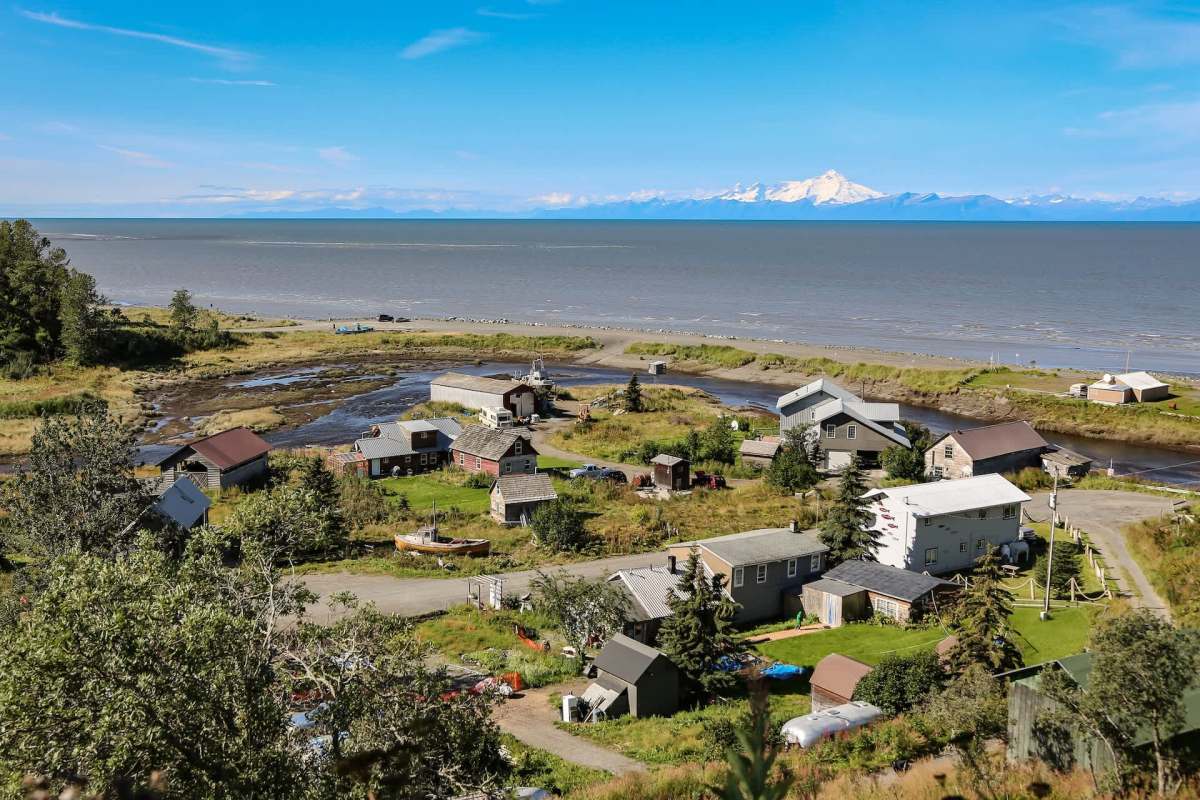
The village of Nunapitchuk in southwestern Alaska is being forced to relocate as melting permafrost destabilizes the ground beneath homes and infrastructure, The Guardian reported.
What's happening?
The permafrost in Alaska is thawing at an alarming rate, causing the ground underneath Nunapitchuk to become unstable as the melting permafrost mixes with soil. This creates a muck-like substance that the locals call "Alaskan quicksand," swallowing homes and buildings and causing them to tilt or sink.
With the village's key infrastructure heavily damaged by the permafrost thaw, residents find themselves with no other choice but to relocate to higher ground.
Morris Alexie, the village's former tribal administrator, told The Guardian, "With global warming, life has gotten worse."
The village collectively voted to move to another location. Relocation costs are estimated to be around $230 million, but the village has only managed to gather just a fraction of that amount so far.
According to the Bureau of Indian Affairs' report cited by The Guardian, Nunapitchuk, home to around 750 residents, is just one of 144 Native villages in Alaska that must move elsewhere due to infrastructure damage from melting permafrost and rising temperatures.
TCD Picks » Quince Spotlight
💡These best-sellers from Quince deliver affordable, sustainable luxury for all




Why is the thawing permafrost concerning?
The rapid thawing of Alaska's permafrost can greatly impact both human communities and the environment. This phenomenon is part of a broader pattern of ice melt across the Arctic, which contributes to local land instability and rising sea levels.
The World Wildlife Fund noted that permafrost contains plants, organic matter, and dead animals that have been frozen since the last ice age. As it thaws, the long-frozen organic material decomposes and releases potent gases, amplifying the rising temperatures and worsening extreme weather disasters that threaten lives and livelihoods.
The thawing Arctic permafrost could also cause health risks. Per the United Nations Environment Programme, some researchers say that thawing ice could release potentially deadly, long-dormant microbes.
Furthermore, the rising temperatures can disrupt marine ecosystems and fish migration, which can impact food security by disrupting seafood stocks. Changes to fish migration can make it harder for harvesters and fishermen to locate fish, according to the Department of Agriculture.
|
What's the most you'd pay per month to put solar panels on your roof if there was no down payment?
Click your choice to see results and speak your mind. |
 $200 or more 💰
 Thawing permafrost is an ongoing problem that isn't unique to Alaska — experts say that Siberia's permafrost is thawing two times as fast as the global average rate.
What's being done about it?
Nunapitchuk residents voted to move the village to a new location three miles away. Alexie, who's leading the relocation efforts, said that the new site stands on sand rather than soil, meaning the location could last for centuries. However, their relocation efforts remain underfunded. Federal support has been uneven, with funding delays and policy shifts slowing relocation efforts.
While communities like Nunapitchuk are facing challenges as they cope with the melting permafrost, there are efforts underway to understand and mitigate its impacts. Scientists are developing technologies to monitor changes in the ice, which can help them make more accurate predictions about glacier movement, ice sheet dynamics, and future sea level rise.
Staying informed about rising global temperatures and supporting efforts to reduce pollution can help address the factors that cause permafrost thaw.

Get TCD's free newsletters for easy tips to save more, waste less, and make smarter choices — and earn up to $5,000 toward clean upgrades in TCD's exclusive Rewards Club.