


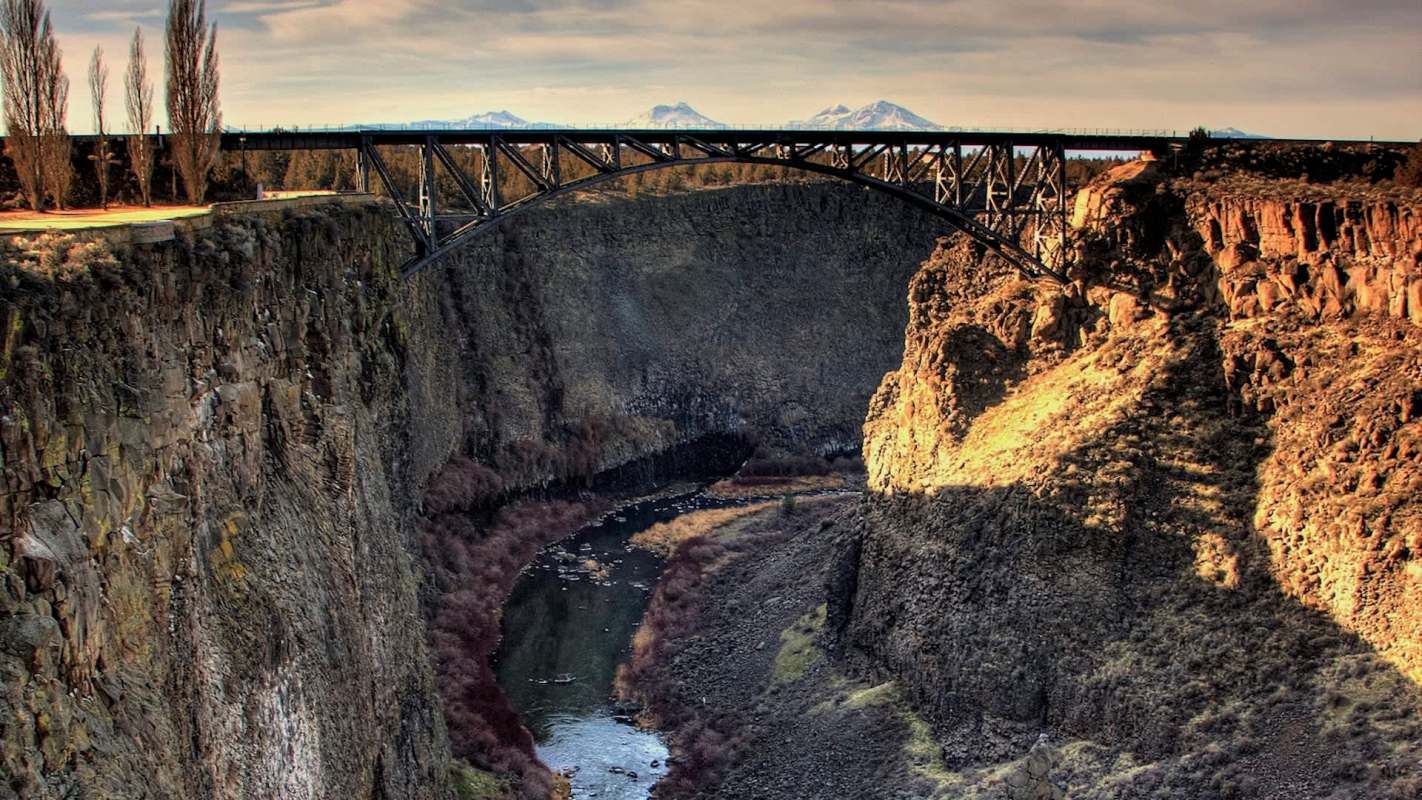
Central Oregon farmers and ranchers are facing a potentially devastating growing season as critically low snowpack threatens water supplies necessary for irrigation and regional food production, per the Central Oregon Daily News.
What's happening?
Central Oregon's snowpack sits at one of its lowest levels in recent years, raising alarms for agricultural communities that depend on spring snowmelt for summertime irrigation.
Gordon Jones, an Oregon State University-Cascades associate professor, warned that conditions look grim.
"The winter is not over yet, but we are far behind normal. It's one of the lowest snowpack years that we've seen recently," he told the local news outlet.
Local reservoirs, including Ochoco and Prineville, have only reached approximately half their capacity. While some water will be available, farmers anticipate severely reduced allocations.
Brian Barney, a Crook County commissioner and rancher with 50 years of experience, explained the financial pressures farmers are facing as a result.
TCD Picks » Quince Spotlight
💡These best-sellers from Quince deliver affordable, sustainable luxury for all




"Even if you don't get the water, you still pay for the water," he said, per the Central Oregon Daily News. "You have your ongoing equipment payments and your land payments and just trying to feed families and things. Without any income, the expenses still go on."
The region's geology does provide limited relief, as underground aquifers hold snow from previous winters. "Some of the water that is flowing in streams in the Deschutes River today is probably snow that fell two years ago," Jones noted, per the Central Oregon Daily News.
However, this natural buffer won't suffice for water-intensive regional crops like hay and alfalfa.
Why is the lack of snowpack important?
Farmers facing reduced water allocations are forced to choose which crops to irrigate, resulting in both smaller harvests and lost income. Equipment loans, land payments, and farm expenses continue regardless of revenue, which could push financial operations toward collapse.
|
What's the most you'd pay per month to put solar panels on your roof if there was no down payment?
Click your choice to see results and speak your mind. |
 $200 or more 💰
 "We don't do very well around here if we don't have water to irrigate," Barney told the news outlet. "We've had numerous years of drought, which has been pretty devastating to a lot of people in agriculture."
Furthermore, reduced agricultural output raises food prices and shuts down seasonal employment. Jones predicts that farmers may need to shut off irrigation entirely for some fields.
"There may be situations this growing season where folks have to prioritize their water on other crops that aren't growing so vigorously in the middle of the hot, dry growing season," he said, per the Central Oregon Daily News.
What's being done about water scarcity?
Barney told the news outlet that, despite reduced allocations, "We will probably have enough water in them this year to be able to irrigate. It'll be reduced. We don't have our full allocations, but there should be enough water to help."
However, such short-term adaptations don't address the underlying, climate-driven trend. While extreme weather events have always occurred, experts have found that human-induced climate change supercharges them.
As warming intensifies drought and reduces snowpack, agricultural communities need better long-term solutions to stabilize the conditions driving these changes.
Learning more about these issues can help you find new ways to participate in protecting local economies, along with ways to transition away from pollution-generating energy sources that compound the problem.

Get TCD's free newsletters for easy tips to save more, waste less, and make smarter choices — and earn up to $5,000 toward clean upgrades in TCD's exclusive Rewards Club.







