


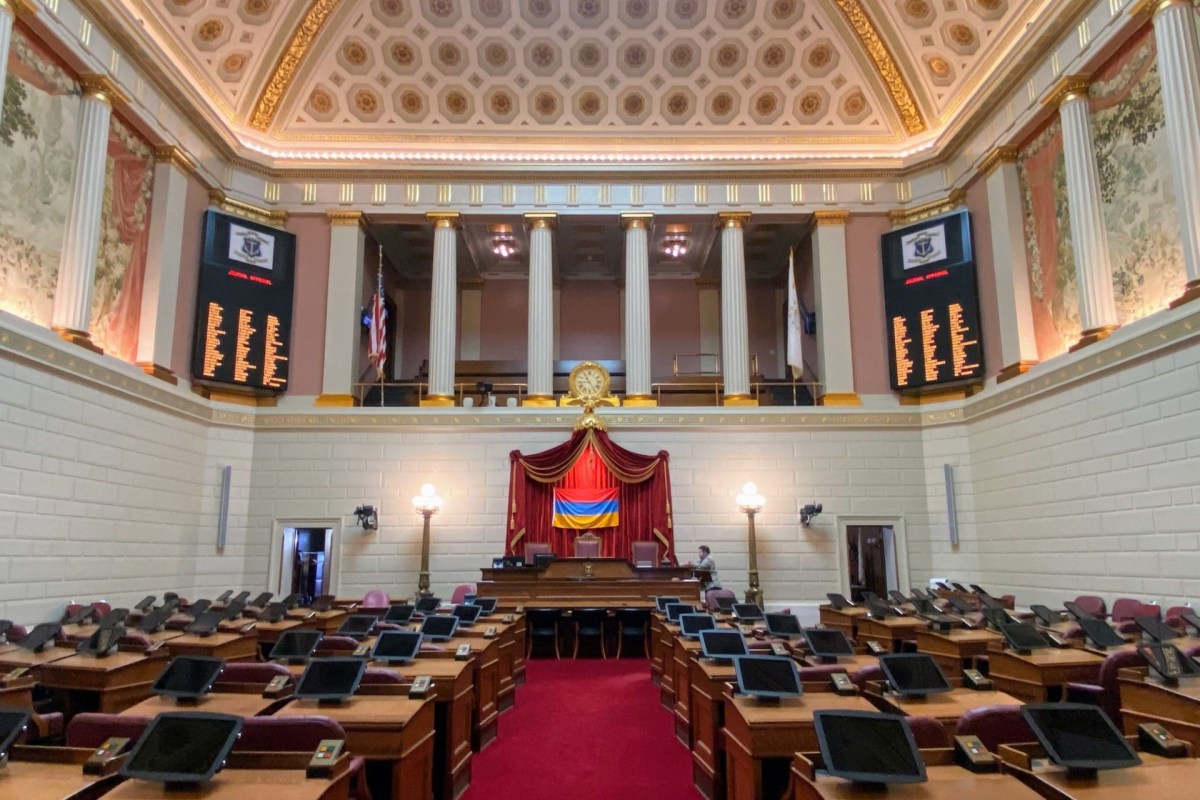
A new bill in Rhode Island aims to ban the sale, purchase, and distribution of invasive plants — a move supporters say is long overdue to protect the state's natural habitats and the communities that depend on them.
What's happening?
A walk through a park or backyard can make it seem like all plants coexist peacefully. In reality, invasive plants often overpower native species, spreading aggressively and reshaping entire ecosystems.
The proposed legislation, sponsored by Rep. Jennifer Boylan and Sen. Mark McKenney, would restrict the sale and distribution of certain non-native plant species across Rhode Island, as reported by NewsTalk New England. Under the bill, the state's Department of Environmental Management would maintain a list of prohibited plants, establish regulations, and enforce penalties for violations.
"Invasive plants are a scourge on the biodiversity and natural beauty of Rhode Island," Boylan said, per NewsTalk New England. "It is past time we banned the sale and distribution."
Supporters said the bill would help prevent invasive species from gaining a foothold in forests, wetlands, and residential areas. Once established, those species can be nearly impossible and expensive to remove.
Why is this important?
Invasive plants don't just push out native species — they change how an area works. When native plants disappear, the insects and animals that depend on them lose their food and shelter, and the effects accumulate quickly.
TCD Picks » Quince Spotlight
💡These best-sellers from Quince deliver affordable, sustainable luxury for all




That shows up in real ways for people. Invasive species can overrun farmland, choke waterways, and drive up maintenance costs for towns and homeowners. As those systems break down, communities lose natural buffers that help manage flooding and erosion, leaving them more exposed over time.
Other states have faced similar challenges when invasive species take hold. Efforts to reintroduce native species, such as wolverines in California, highlight how hard — and costly — it can be to undo ecological damage once balance is lost. In Arkansas, officials have gone so far as to incentivize residents to catch and eat invasive Asian carp to protect local waterways.
What's being done about it?
This bill focuses on prevention — stopping invasive plants before they spread further. If passed, it would give Rhode Island clearer authority to manage harmful species and protect habitats.
Residents can help, too. Choosing native plants for gardens, avoiding invasive species at nurseries, and learning how to identify problem plants all make a difference. Supporting local conservation efforts and staying informed about proposed regulations can also help keep ecosystems — and communities — resilient.
Sometimes, the most effective solutions start small: knowing what's growing in your own backyard and making sure it belongs there.
|
What's the most you'd pay per month to put solar panels on your roof if there was no down payment?
Click your choice to see results and speak your mind. |
 $200 or more 💰
Get TCD's free newsletters for easy tips to save more, waste less, and make smarter choices — and earn up to $5,000 toward clean upgrades in TCD's exclusive Rewards Club.







