


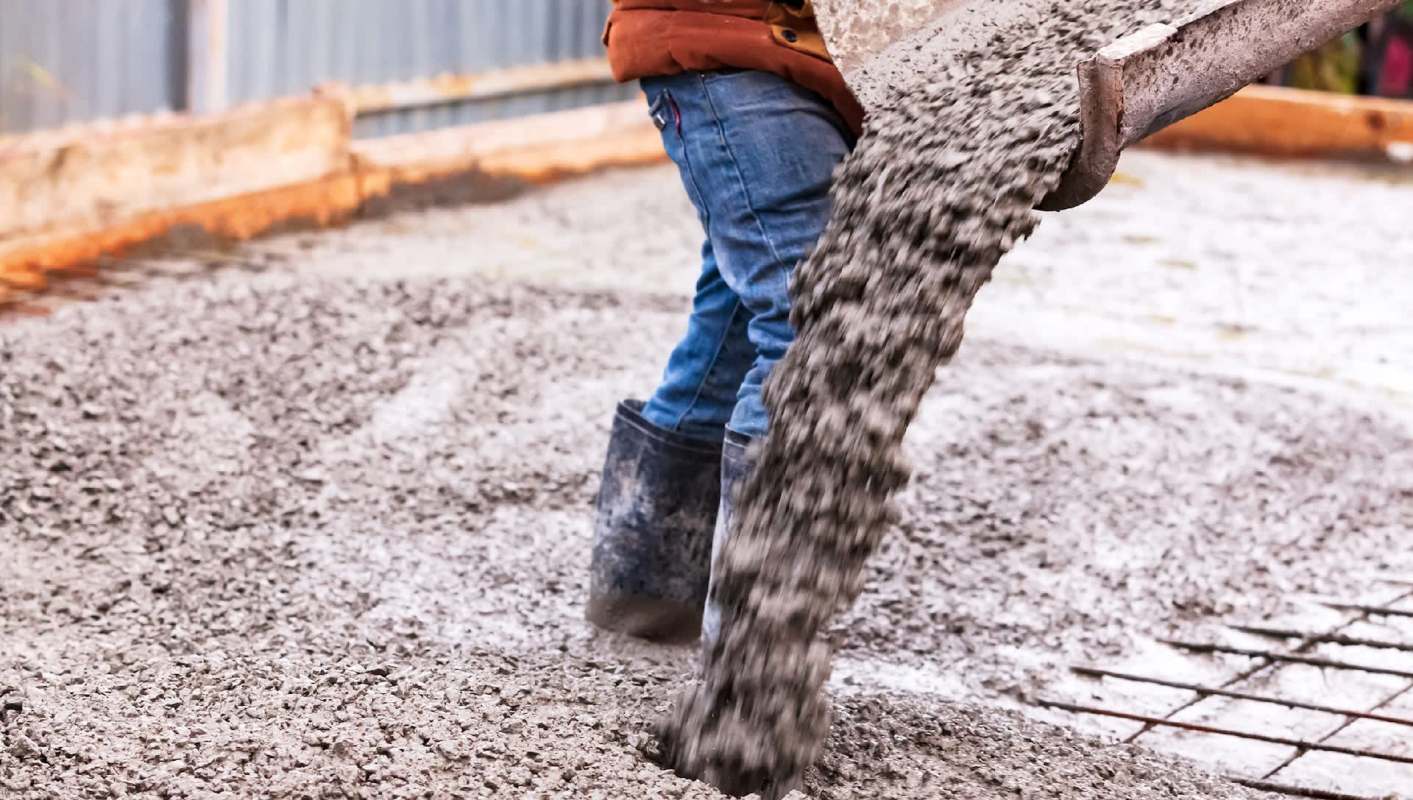
Scientists in India are developing a better concrete repair mix for distressed reinforced beams, delaying total replacement with a more sustainable material.
According to a study published in the journal Frontiers, authors Mareena George and Dhanya Sathyan said that current repair mixes fail prematurely due to a variety of wear problems.
Concrete research can be highly useful, as it's widely reported that about 30 billion tons of the material is made each year.
"Effective and durable repair strategies are critical to extending the service life of such structures while avoiding complete demolition and reconstruction, which are costlier and environmentally taxing," the authors wrote.
Abundant quarry dust — a powder left after rocks are crushed to make other products — is the least technical sounding ingredient in the mix.
Polymer modifiers (used in plastics, resins, and rubbers), curing agents, and "hybrid fibers" are also included, reducing "overall environmental impact and cost compared to conventional mixes containing silica sand" and commonly used fibers.
TCD Picks » Quince Spotlight
💡These best-sellers from Quince deliver affordable, sustainable luxury for all




The engineered mix performed better than conventional repair mortars after testing, including improved load-carrying ability, crack resistance, and a strong bond to existing concrete.
Ironically, the performance is aided by the formation of microcracks that are too small for harmful "agents" to enter. But they also improve damage tolerance and reduce maintenance.
Experts around the world are trying to develop better concrete, particularly cement substitutes. Cement production is the largest reason why the sector generates up to 8% of the world's harmful air pollution, according to the World Economic Forum.
The Massachusetts Institute of Technology added that cement's pollution burden is in large part due to intense heat needed to fire kilns, using "fossil fuels."
|
What's the most you'd pay per month to put solar panels on your roof if there was no down payment?
Click your choice to see results and speak your mind. |
 $200 or more 💰
 It's part of a cycle, as air pollution is linked by NASA to increased risks of severe weather that's contributing to greater wear on concrete infrastructure, necessitating more cement for repairs and replacements.
"The increasing frequency of extreme weather events and aging infrastructure has amplified the demand for resilient and long-lasting repair materials in both developed and developing nations," the experts wrote.
Bacteria-based, self-healing concrete is among unusual solutions in development elsewhere. A concrete alternative using fungus is another promising project in the works in the United Kingdom.
MIT reported that concrete is the most used substance on Earth, except for water. Better understanding how human activity impacts the planet and its resources can help you find ways to make a difference.
Investing in companies that are working on cleaner solutions supports the efforts, for example. But simply talking about the issues with friends and family will build greater consensus regarding ways to help.
In India, George and Sathyan may have a better way to extend concrete's life. But more studies for large-scale applications are needed, they wrote, noting that the "mortar offers a balanced solution for sustainable and durable repair applications."

Get TCD's free newsletters for easy tips to save more, waste less, and make smarter choices — and earn up to $5,000 toward clean upgrades in TCD's exclusive Rewards Club.






