


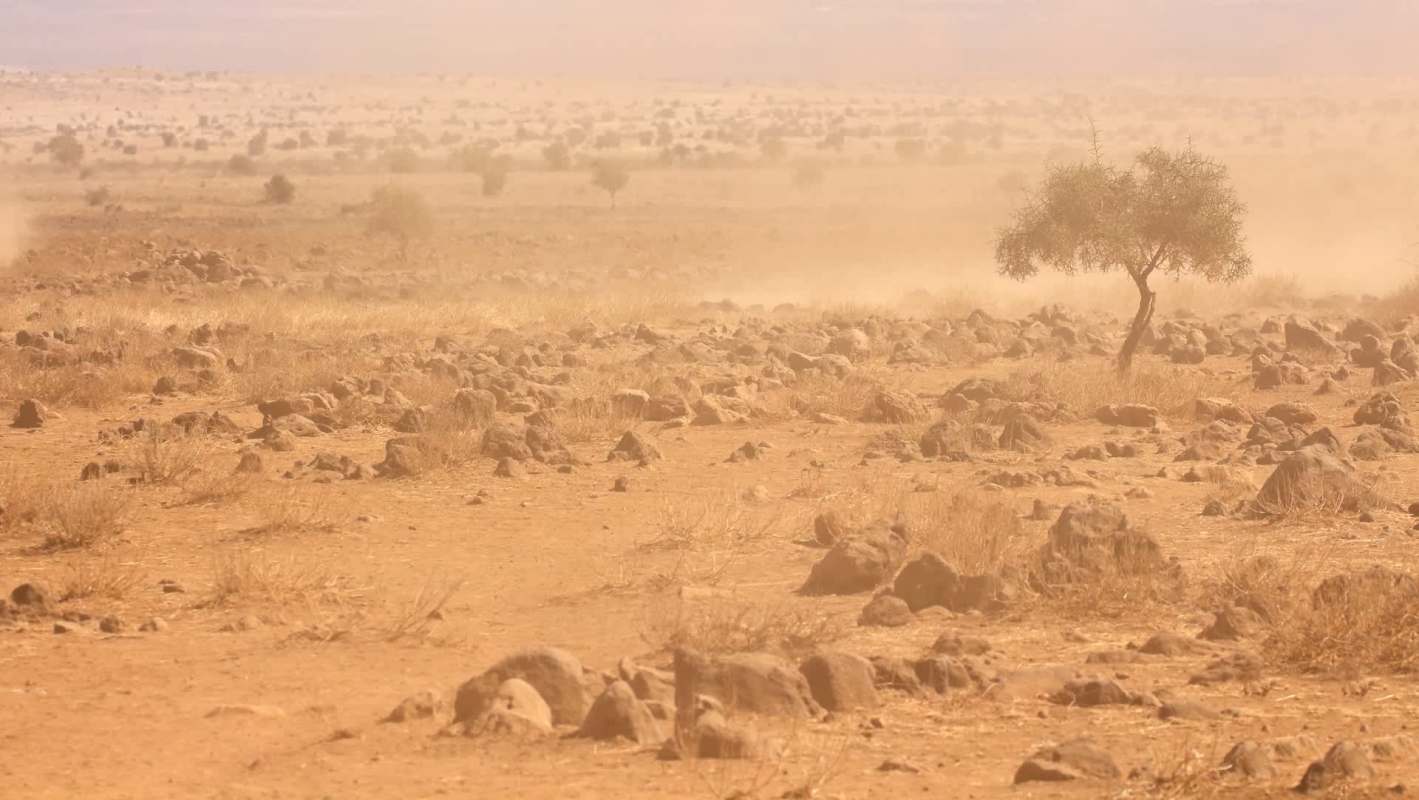
The numbers are staggering. More than 3 million people in Somalia have left their homes following a devastating drought that has hit the country's rural regions. It is estimated that almost 6 million people in the East African country need aid. Of those in need of help, 1.85 million are children.
The impacts of four straight failed rainy seasons have destroyed crops and killed livestock across large portions of Africa. While the worst conditions have peaked in Somalia, the bordering countries of Ethiopia and Kenya are also suffering. More than 2 million people in Kenya alone are facing hunger amid the ongoing drought that has left livestock emaciated in livestock-rearing communities.
Islamic Relief is a global humanitarian organization founded in 1984 in the U.K. that delivers aid to those in need across more than 40 countries, regardless of faith, ethnicity, or background. A recent report from the organization titled "Urgent action needed to save lives as severe drought worsens across the Horn of Africa" warns that children who have sought help in camps are "showing visible signs of malnutrition and wasting," per the Associated Press.
The large loss of livestock brings back memories of another, even more devastating drought that struck some of the same countries now being affected. During the drought that lasted from 2020 to 2023, millions of animals perished in portions of Kenya, Ethiopia, and Somalia.
The United Nations World Food Programme reported that nearly 10 million livestock died during that prolonged drought. Livestock accounts for 45% of Somalia's GDP.
"Climate change is driving increasingly frequent extreme weather events in the Horn of Africa — this latest drought comes as the region is still recovering from its worst drought in 70 years due to successive failed rains between 2021 and 2023, which was followed by deadly floods," according to the Islamic Relief report. "Somalia, Ethiopia, and Kenya produce only around 0.1% of global carbon emissions, yet people there are paying the highest price of the global climate crisis."
TCD Picks » Quince Spotlight
💡These best-sellers from Quince deliver affordable, sustainable luxury for all




The conditions with the current drought are dire, and the outlook remains bleak. "The situation is desperate, but we fear the worst is yet to come," said Aliow Mohamed, Islamic Relief's Country Director in Somalia. "Our teams across Somalia are already seeing livestock deaths, water scarcity, and rising malnutrition."
"Masses of people are fleeing rural areas for camps where they hope to get some aid, but there is not enough aid for everyone," Mohamed added. "In many places, local communities are providing new arrivals with food and water, even though they have barely enough for themselves. The next few months are critical — we must act now to stop this drought turning into famine."
Kenya and other East African countries are highly exposed to several forms of extreme weather, which are exacerbated by our warming world. "Kenya's vulnerability to climate change is worsened by frequent and intense droughts, storms, floods, heat waves, rising sea levels, melting glaciers, and warming oceans, leading to direct devastation of biotic systems and natural habitats, which have severe socioeconomic impacts," a report from the National Council for Population and Development concluded.
Scientists warn that Kenya's second-largest city, Mombasa, is facing a convergence of climate hazards that could overwhelm low-lying neighborhoods and key transport routes. Flooding, mangrove loss, and saltwater contamination threaten lives, livelihoods, and the backbone of Kenya's coastal economy.
|
What's the most you'd pay per month to put solar panels on your roof if there was no down payment?
Click your choice to see results and speak your mind. |
 $200 or more 💰
Get TCD's free newsletters for easy tips to save more, waste less, and make smarter choices — and earn up to $5,000 toward clean upgrades in TCD's exclusive Rewards Club.







