


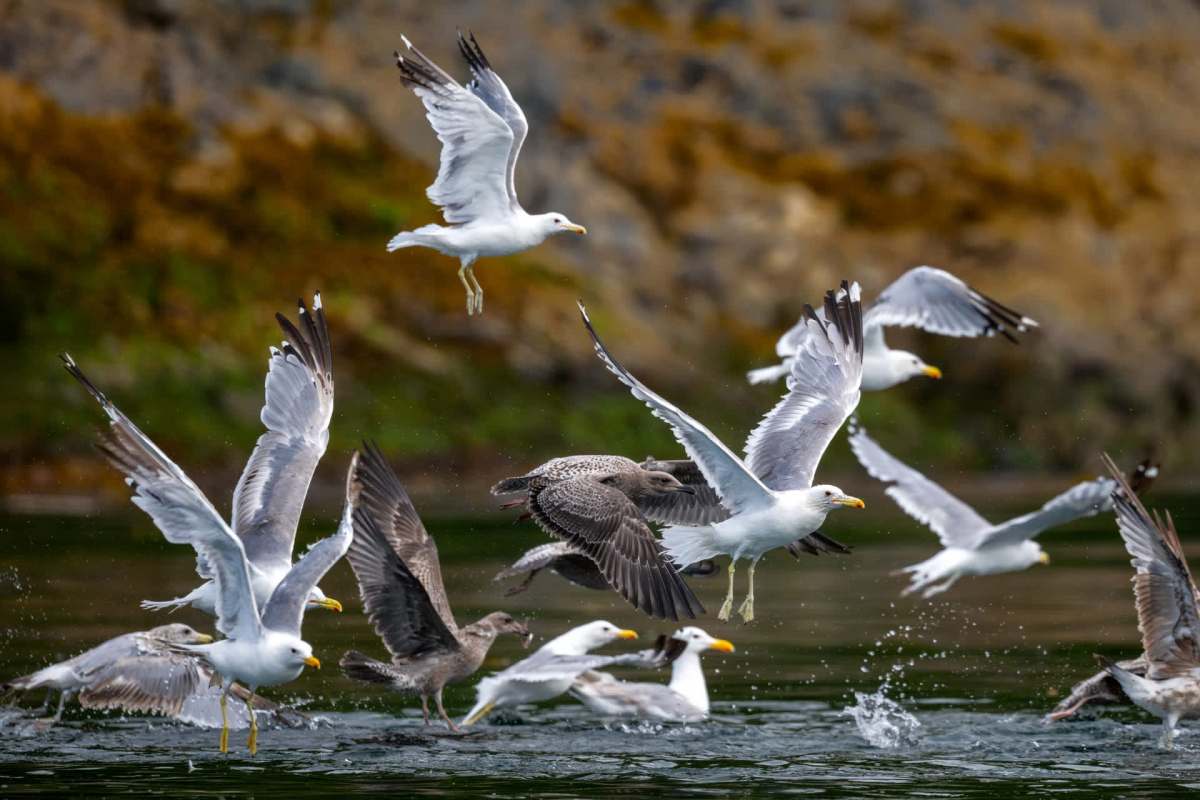
Seabirds are already facing obvious hazards such as oil-coated feathers from spills or contaminated eggs, but new research shows pollution can also affect them at a microscopic level.
In some cases, pollution may even alter how their cells produce energy, potentially affecting survival and reproduction in ways that are largely invisible.
What's happening?
According to Rare Bird Alert, a study of wild Scopoli's Shearwaters found that everyday environmental pollutants, including mercury and certain PFAS compounds, can disrupt mitochondrial function, the process that powers cells. Researchers described it as "a potential impairment" in mitochondrial energy regulation, highlighting how these chemicals can interfere with a bird's fundamental biology.
Birds with higher pollutant loads showed altered mitochondrial activity. "Rather than producing energy efficiently, their mitochondria operated less effectively, with altered respiration rates and reduced capacity to meet energetic demands," the study noted, per Rare Bird Alert.
Some mitochondria tried to compensate for the chemical stress, but doing so came at a cost: less efficient energy production increased oxidative stress, straining cells and tissues over time.
Why is this change in cells concerning?
Energy drives everything a seabird does. Flight, migration, thermoregulation, and raising chicks all depend on tightly balanced energy budgets. Even subtle disruptions at the cellular level can ripple outward, contributing to lower breeding success, reduced survival, and vulnerability during high-demand periods.
TCD Picks » Quince Spotlight
💡These best-sellers from Quince deliver affordable, sustainable luxury for all




Unlike sudden poisoning events, these effects are chronic. Persistent pollutants accumulate slowly over years, quietly reshaping physiology. "This makes their impact harder to detect, but potentially more damaging at the population level," the researchers explained to Rare Bird Alert.
Since seabirds are indicators of ocean health, these cellular shifts suggest broader environmental contamination affecting ecosystems far beyond the birds themselves.
What's being done about it?
Efforts to rein in toxic pollutants are growing, from stricter rules on mercury and PFAS to demands for cleaner industrial practices. But progress is uneven, and many of these chemicals still circulate through oceans and food chains. Supporting stronger protections, cutting back on hard-to-break plastics, and backing companies and policies that reduce toxic waste can help slow the damage.
This research makes clear that pollution isn't just a surface-level problem. It's quietly affecting how animals function from the inside out. If we ignore that, we risk losing wildlife not in big, dramatic disasters, but through slow, invisible breakdowns.
TCD Picks » Quince Spotlight
💡These best-sellers from Quince deliver affordable, sustainable luxury for all
|
What's the most you'd pay per month to put solar panels on your roof if there was no down payment?
Click your choice to see results and speak your mind. |
 $200 or more 💰
Get TCD's free newsletters for easy tips to save more, waste less, and make smarter choices — and earn up to $5,000 toward clean upgrades in TCD's exclusive Rewards Club.







