


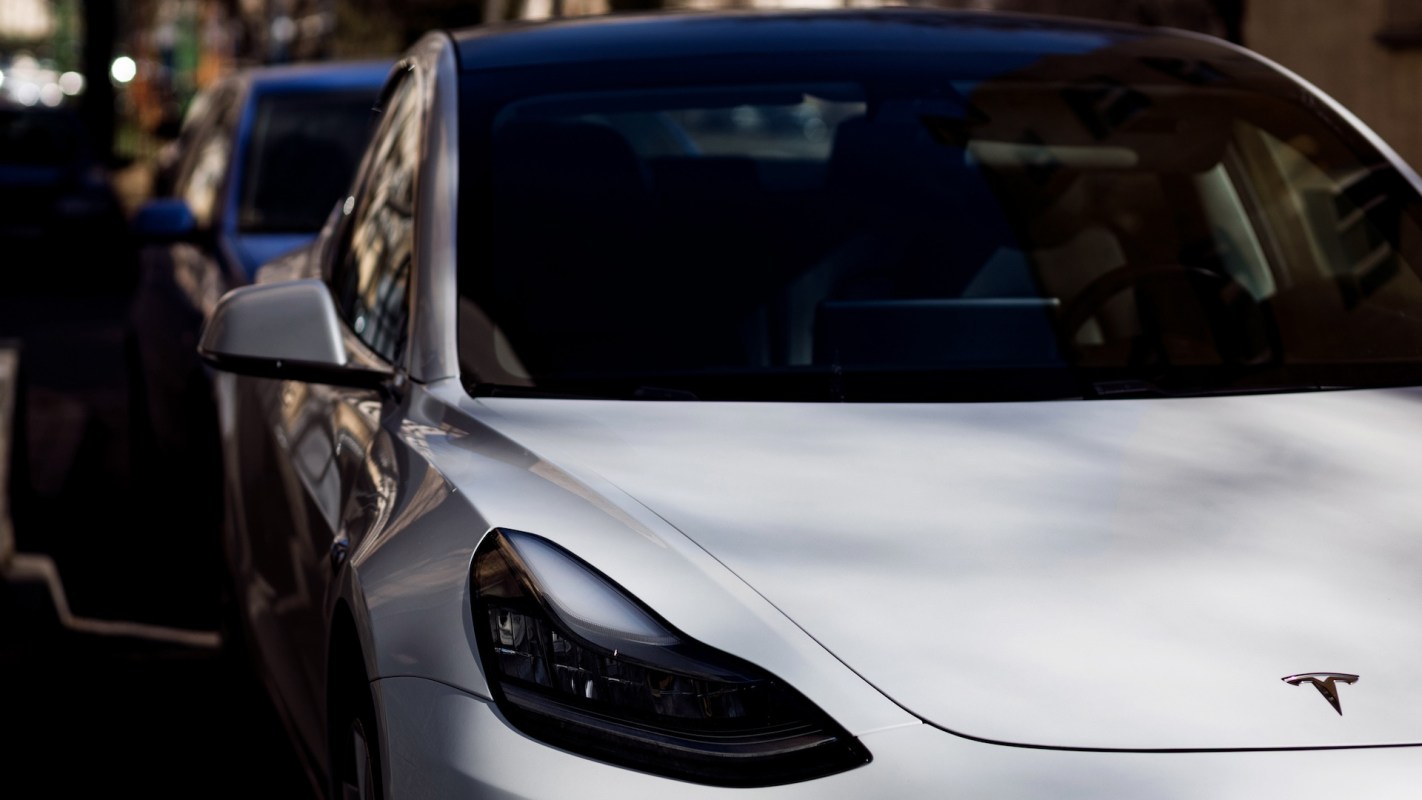
Tesla says it has taken a major step toward fully autonomous ride-hailing, but critics allege the company may have simply moved human safety oversight out of sight — potentially creating new risks in the process.
What's happening?
Tesla recently began Robotaxi test drives in Austin that the company described as "unsupervised."
However, reporting from Electrek indicated that the vehicles were still being closely monitored — just not from inside the car.
Video footage shared on X showed two Robotaxis traveling city streets while being followed by black Tesla vehicles.
Those trailing cars appeared positioned to intervene if something went wrong, suggesting human operators remained involved, only at a distance.
That distinction matters.
TCD Picks » Quince Spotlight
💡These best-sellers from Quince deliver affordable, sustainable luxury for all




As one Electrek commenter put it, "Unless there's two people in the trailing car, they've introduced a new safety problem where one person needs to supervise two cars simultaneously."
Why is this important?
For customers, the matter comes down to trust.
If a vehicle still depends on a human monitor who has simply moved to another car, riders might not be getting the level of autonomy they've been led to expect.
That concern echoed earlier scrutiny of Tesla's Full Self-Driving software. Federal safety officials have warned that some updates could encourage drivers to overestimate the system's capabilities, even though human supervision is still required.
|
What's the most you'd pay per month to put solar panels on your roof if there was no down payment?
Click your choice to see results and speak your mind. |
 $200 or more 💰
 At the same time, Tesla's safety record is mixed.
Independent European testing found that the Model Y performed well in safety-assist evaluations, but uncertainty about its autonomous features could affect consumer confidence.
This creeping lack of trust could ultimately slow down the adoption of technology that will otherwise help make transportation more efficient and reduce pollution.
What's being done about it?
Regulators continue to review how autonomous and driver-assistance systems operate in real-world conditions, and safety agencies have urged automakers to be more precise in how these features are described.
For consumers, the takeaway is straightforward: understand what today's technology can and can't do. Driver-assistance features still require attention, even when they appear hands-free.
For some buyers, choosing an EV model that fits their daily driving needs — such as commute length, charging access, and budget — may matter more than the still-evolving autonomous features.

Get TCD's free newsletters for easy tips to save more, waste less, and make smarter choices — and earn up to $5,000 toward clean upgrades in TCD's exclusive Rewards Club.






