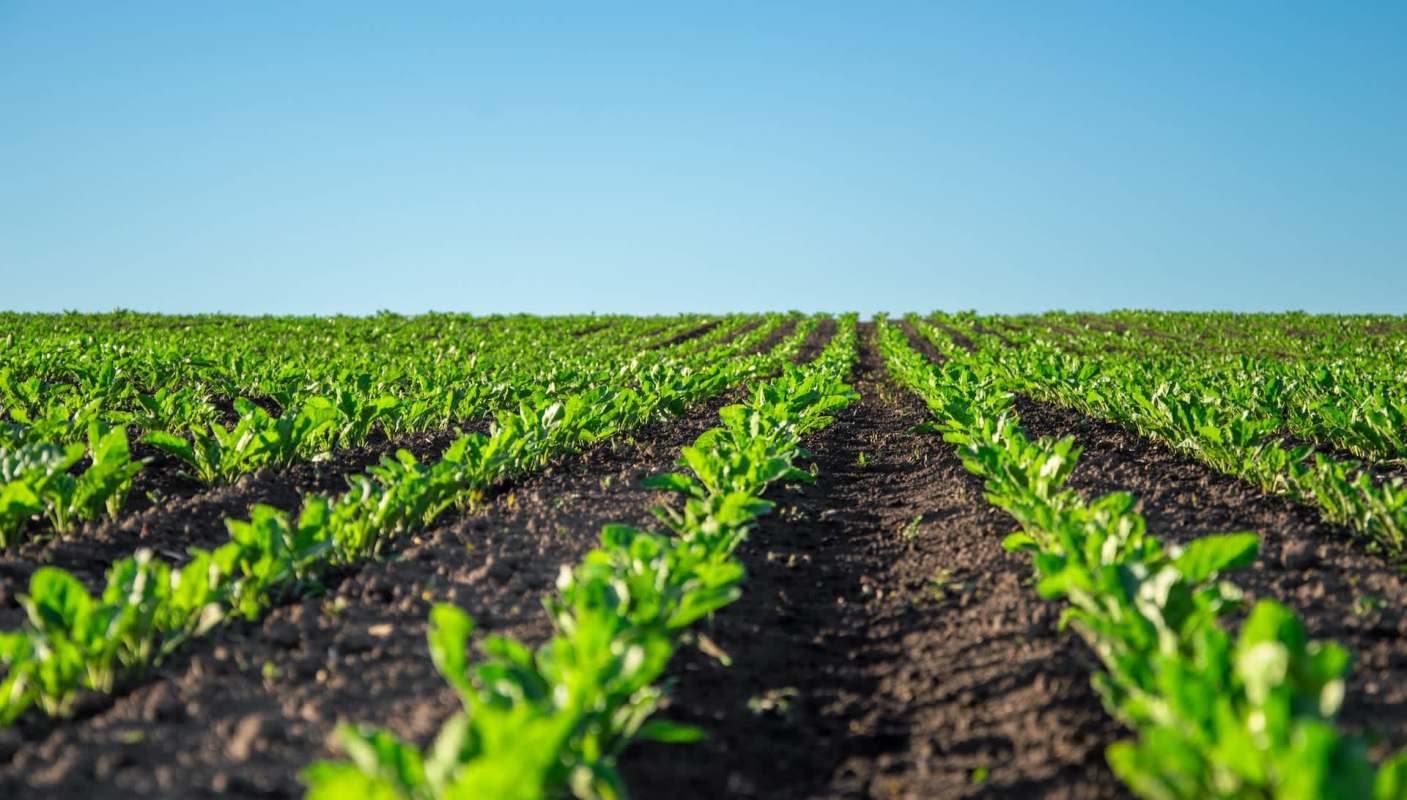
Researchers at the Whitehead Institute have found an easier way to create genetic variety in crops.
Many food crops suffer from limited genetic variety after centuries of selective farming. This makes it tougher to develop plants capable of handling dry conditions, high temperatures, or salty ground.
Radiation has been one option for adding new genetic traits, but safety rules and practical barriers keep many researchers from using it.
According to a study published in the journal PLOS Genetics, a new method uses etoposide, a cancer medication, to induce major genetic alterations in plants.
When sprouting seeds encounter this drug, it disrupts an enzyme responsible for organizing DNA as cells multiply. Mistakes made during the cell's attempt to fix the resulting damage can scramble genes in big ways. These scrambled genes then pass down to the next generation.
The technique requires only common lab supplies. Seeds initially grow in a solution containing the medication before being planted in soil to mature.
TCD Picks » Good Store Spotlight
Get 10% off your next purchase with code TCD10

"I was surprised at how efficient it was," said Mary Gehring, who teaches biology at MIT and led the research team, per Phys.org. "The diversity of new traits that you could see just by looking at the plants in the first generation was extensive."
When tested on a model plant species, roughly 66% of the treated samples looked noticeably different, with altered leaves, changed heights, different colors, and shifts in reproductive ability.
The researchers are now using this method on pigeon pea, a protein-rich legume cultivated across Asian and African regions.
This crop has the potential to feed more people as a staple food, but breeding better versions has been held back by its narrow gene pool.
|
What's the most you'd pay per month to put solar panels on your roof if there was no down payment?
Click your choice to see results and speak your mind. |
 $200 or more 💰
 This method could also help with crops that don't respond well to gene-editing technology like CRISPR.
"A lot of species that one works with, either in agriculture or horticulture, are not amenable to genetic transformation," Gehring noted.
Pigeon pea trials have already produced two generations of plants, and the team is checking which ones can handle salty soil.
If you're wondering when this could affect your dinner plate, the work is still in early stages, but it opens doors for breeding hardier crops that could one day help farmers adapt to changing weather patterns.

Get TCD's free newsletters for easy tips to save more, waste less, and make smarter choices — and earn up to $5,000 toward clean upgrades in TCD's exclusive Rewards Club.