


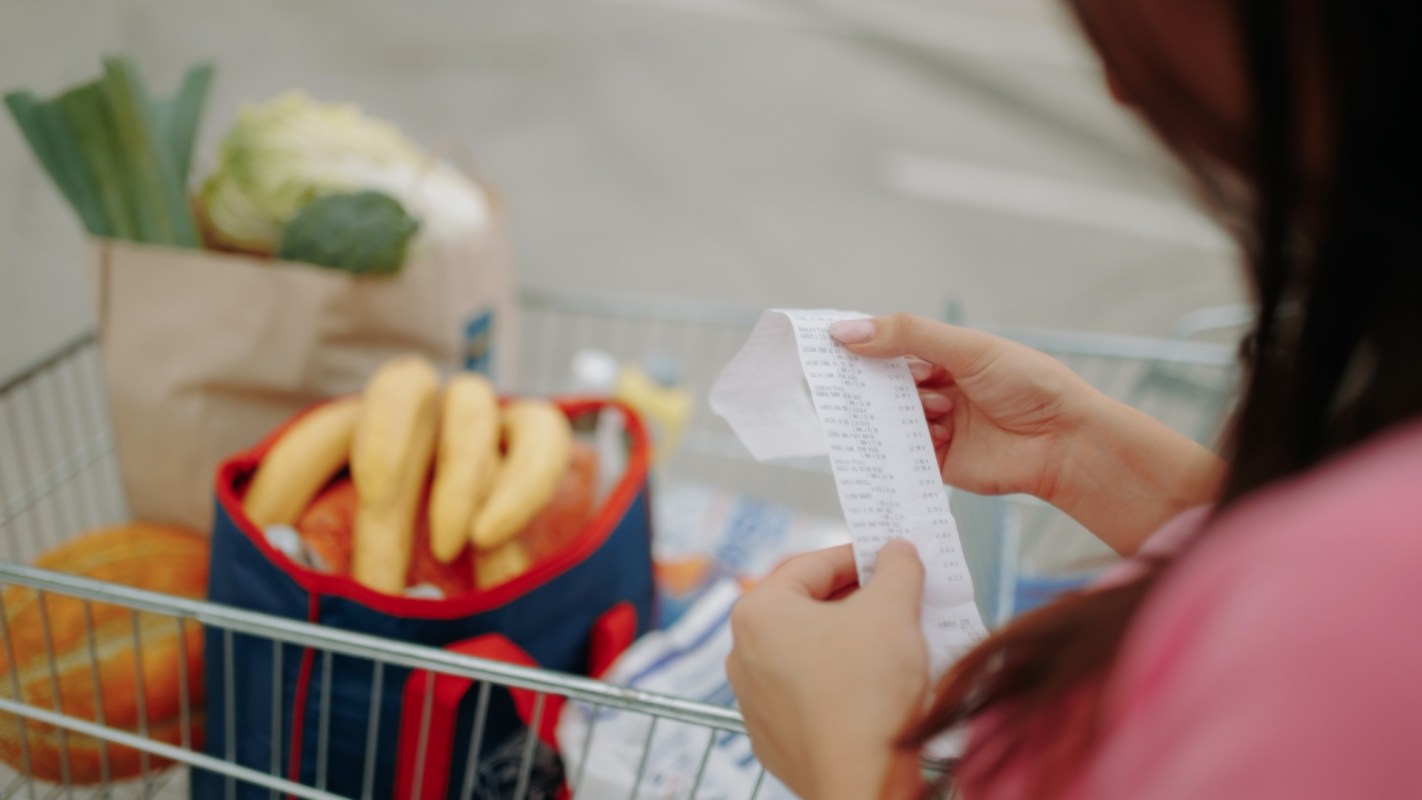
A recent federal inflation report found food prices in the U.S. are on the rise, according to The New York Times, underscoring how grocery bills are a constant strain for American households.
What's happening?
In December 2025, food prices rose noticeably for consumers, with everyday items such as beef, coffee, produce, cereal, and bakery products getting more expensive. In general, food prices rose about 0.7% in December, which is the biggest monthly increase in food costs since October 2022. Prices were up from 0.2% in September, the last month the federal government released monthly inflation figures due to data disruptions from the government shutdown.
On a year-over-year basis, food costs rose about 3.1%, though some categories — such as eggs — fell after earlier spikes. Notably, beef prices rose 1% over the month and were up a sizable 16.4% from a year earlier. According to the Times, many economists point to a shrinking U.S. cattle herd as the primary driver behind high beef prices.
Why are rising food prices concerning?
Grocery costs are unavoidable. When food prices rise, families feel the pinch right away — especially lower-income families, in which a larger share of household income is spent on food. Higher food costs can force difficult trade-offs, pushing families to cut back on other essentials such as healthcare or utilities while also increasing the risk of food insecurity.
TCD Picks » Martie
💡Martie makes it easy to find quality food at massive discounts while helping to fight food waste





However, not all food scarcity is unavoidable, with much of it happening at the production, retail, and consumer levels. The U.S. wastes an enormous amount of food — an estimated 30% to 40% of the nation's total supply. That disconnect underscores a broken food system, where groceries are becoming less affordable for families even as massive amounts of food go uneaten and are thrown away.
Food insecurity is also increasing globally as rising global temperatures disrupt food systems. Extreme weather driven by pollution — including droughts, floods, and heat waves — destroys crops, reduces yields, and disrupts supply chains, making food scarcer and more expensive.
What's being done about rising food prices?
Addressing pollution is the only true long-term solution to rising food costs associated with changes in climate. In the meantime, farmers and supply chain managers are exploring measures such as diversifying crops, improving irrigation, and other strategies aimed at reducing vulnerability to supply disruptions.
The Trump administration says it's tackling high food costs by targeting anti-competitive practices in the food supply chain, including directing federal agencies to investigate price-fixing in hopes that increased competition will help bring grocery prices down.
Save $10,000 on solar panels without even sharing your phone number Want to go solar but not sure who to trust? EnergySage has your back with free and transparent quotes from fully vetted providers in your area. To get started, just answer a few questions about your home — no phone number required. Within a day or two, EnergySage will email you the best options for your needs, and their expert advisers can help you compare quotes and pick a winner. Solar panels can save you more than $50k over their 25-year lifespan, and EnergySage can help you save as much as $10k on installation. Which begs the question — isn't that worth an email or two? |

In a January 2026 speech, President Donald Trump declared he had "defeated" inflation in the U.S. and reined in consumer prices over the past year. However, this latest data tells a different story when it comes to one of the most essential expenses in any household budget.
Federal programs such as SNAP — or food stamps — can help low-income families cope with rising grocery prices. Fewer people, however, qualify for such programs after the Trump administration introduced new requirements. Food banks and pantries can also help families manage rising grocery prices. Many have reported an increase in demand as more households struggle to keep up with rising grocery bills.
For those looking to lower their grocery bills, online grocery store Martie offers highly discounted groceries and household essentials — sometimes providing up to 80% off brand-name goods. Martie buys brand overstock and surplus inventory, keeping perfectly good items from going to waste while passing significant savings on to shoppers. It's a model that helps stretch household budgets and reduce food waste at the same time.
|
What's the most you'd pay per month to put solar panels on your roof if there was no down payment?
Click your choice to see results and speak your mind. |
 $200 or more 💰
Get TCD's free newsletters for easy tips to save more, waste less, and make smarter choices — and earn up to $5,000 toward clean upgrades in TCD's exclusive Rewards Club.







