


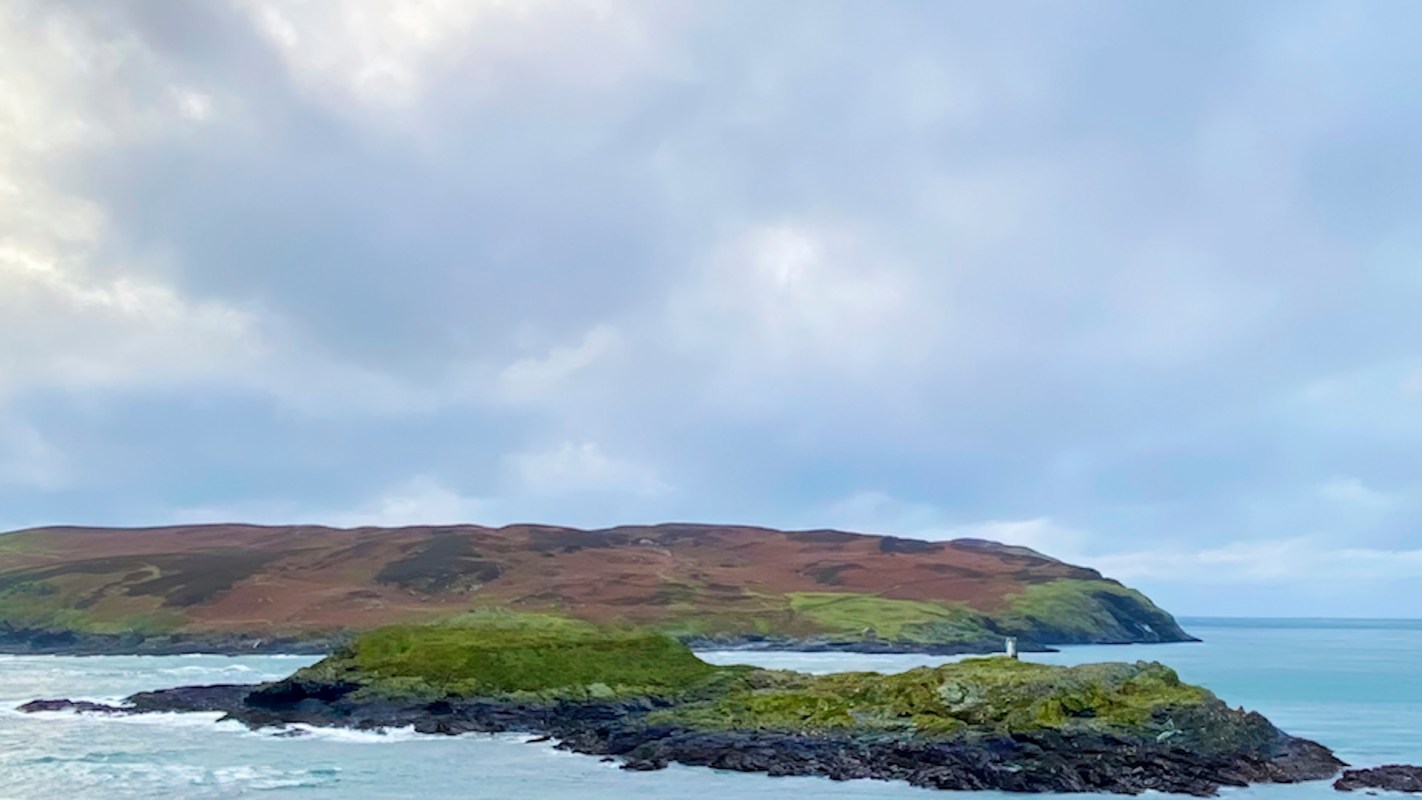
A remote British island has become home to up to 2,000 wallabies from Australia.
What's happening?
The climates of Australia and the U.K. couldn't really be more at odds, but that hasn't stopped a population of wallabies from springing up on the Isle of Man.
Ballaugh Curragh is a protected marshland on the island, and drone surveys by the Manx Wildlife Trust found that there were 568 wallabies living feral in the area in 2023.
According to SBS News, the wild Australian marsupials may be ancestors of wallabies that escaped from a local zoo, and it is thought that the population has now risen to between 1,000 and 2,000.
Why are these feral wallabies concerning?
Despite their cute appearance, non-native wallabies can be a nuisance for locals. They are an invasive species, meaning that they have no natural predators, and their population can keep growing without restraint.
Farmers are concerned about the crop damage caused by the marsupials, and they have been known to cause car accidents by hopping around in the road.
TCD Picks » Quince Spotlight
💡These best-sellers from Quince deliver affordable, sustainable luxury for all




"They can be quite invasive, they can be quite damaging," local reverend Simon Archer told SBS News. "As they grow with no natural predators, chances are that we're going to come across them a lot more often."
When invasive species spread, native wildlife often gets outcompeted for food and other vital resources, which can send populations plummeting.
An area filled with native plants, animals, and habitats is a sign of healthy biodiversity. Balanced ecosystems help conserve natural resources, protect the food supply, and limit the spread of diseases.
What's being done about invasive species?
Usually, the Isle of Man's approach to the wallabies is pretty laid-back.
|
What's the most you'd pay per month to put solar panels on your roof if there was no down payment?
Click your choice to see results and speak your mind. |
 $200 or more 💰
 Though some people are calling for the marsupials to be culled, others appreciate how helpful the grazing animals can be at maintaining grassland, and how beloved they are by tourists and locals alike.
The Manx Wildlife Trust recognizes that the three options they have going forward are either to leave the invasive species alone, try to manage their numbers, or cull them.
To deter non-native species in your own garden, you could consider growing some native plants to invite non-invasive pollinators and small creatures into your yard.

Get TCD's free newsletters for easy tips to save more, waste less, and make smarter choices — and earn up to $5,000 toward clean upgrades in TCD's exclusive Rewards Club.







