


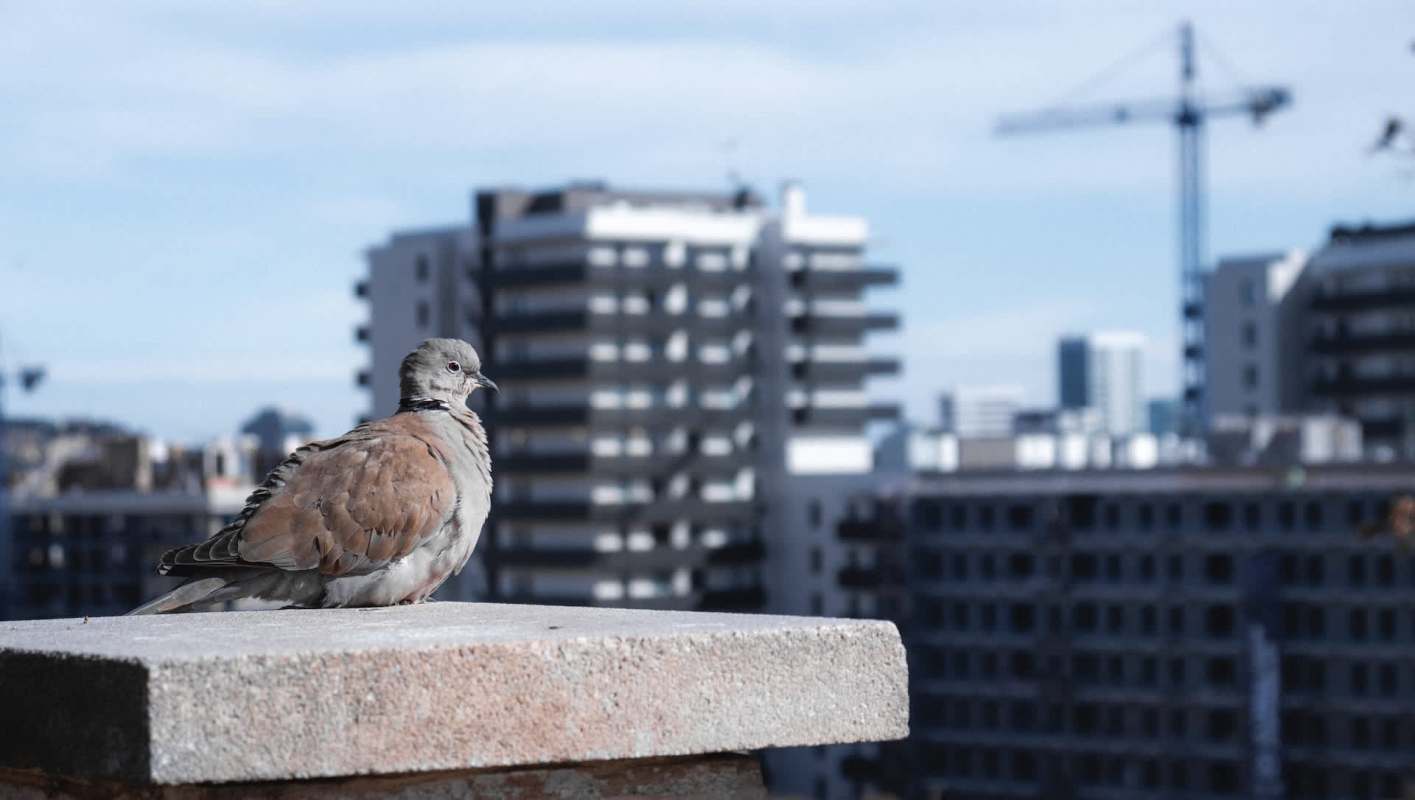
Scientists discovered that the coronavirus pandemic not only affected humans; it also led to an unexpected change in the appearance of some birds.
What's happening?
A study published in the journal PNAS found that shifts in human activity due to COVID-19 restrictions led to morphological changes in birds.
Scientists at the University of California, Los Angeles studied urban dark-eyed juncos that hatched before, during, and after COVID-19 restrictions.
Their findings revealed that birds that hatched during and shortly after lockdowns had bills similar to those of local wildland birds. However, birds that hatched several years after pandemic restrictions had beaks similar to the pre-COVID-19 morphology.
"We were really shocked," Pamela Yeh, an evolutionary biologist at UCLA and an author of the study, told The New York Times.
The New York Times reported that the accessibility of human food may be noteworthy in this study. Due to a scarcity of human food available to birds during the pandemic, scientists believe wildland-shaped beaks helped them survive on natural food.
TCD Picks » Quince Spotlight
💡These best-sellers from Quince deliver affordable, sustainable luxury for all




Why is the impact of human activity on wildlife important?
Wildlife species are evolving faster due to human activities and behavior, per the National Wildlife Federation.
For example, many human activities produce air pollution that contributes to rising global temperatures, forcing animals to adapt to the shifting climate. Extreme weather is depleting biodiversity in ecosystems and destroying habitats.
Another primary driver of habitat loss is agriculture. Nearly 90% of animal species worldwide will lose some habitat to agriculture by 2050, per the University of Oxford.
As the UCLA study likely determined, human food can have a significant impact on wildlife, too. The BBC reported that human food can account for as much as 30% of a black bear's diet. That human food reportedly has hidden effects, like changes in their DNA.
|
What's the most you'd pay per month to put solar panels on your roof if there was no down payment?
Click your choice to see results and speak your mind. |
 $200 or more 💰
 Some wild animals can easily access human food waste from landfills. Data from the U.S. Environmental Protection Agency showed that food accounted for roughly 24% of municipal solid waste in 2019, making it the most common item sent to landfills that year.
What can be done to protect wildlife?
Preventing food from ending up in landfills can help protect wildlife and lower your environmental footprint, according to the EPA.
Composting food scraps is a great way to divert your waste from landfills. Another option to reduce your food waste is to better manage your leftovers.
Meanwhile, reducing air pollution can help maintain wildlife habitats and preserve biodiversity. You can start by using energy-efficient devices at home and investing in planet-friendly transportation.

Get TCD's free newsletters for easy tips to save more, waste less, and make smarter choices — and earn up to $5,000 toward clean upgrades in TCD's exclusive Rewards Club.







