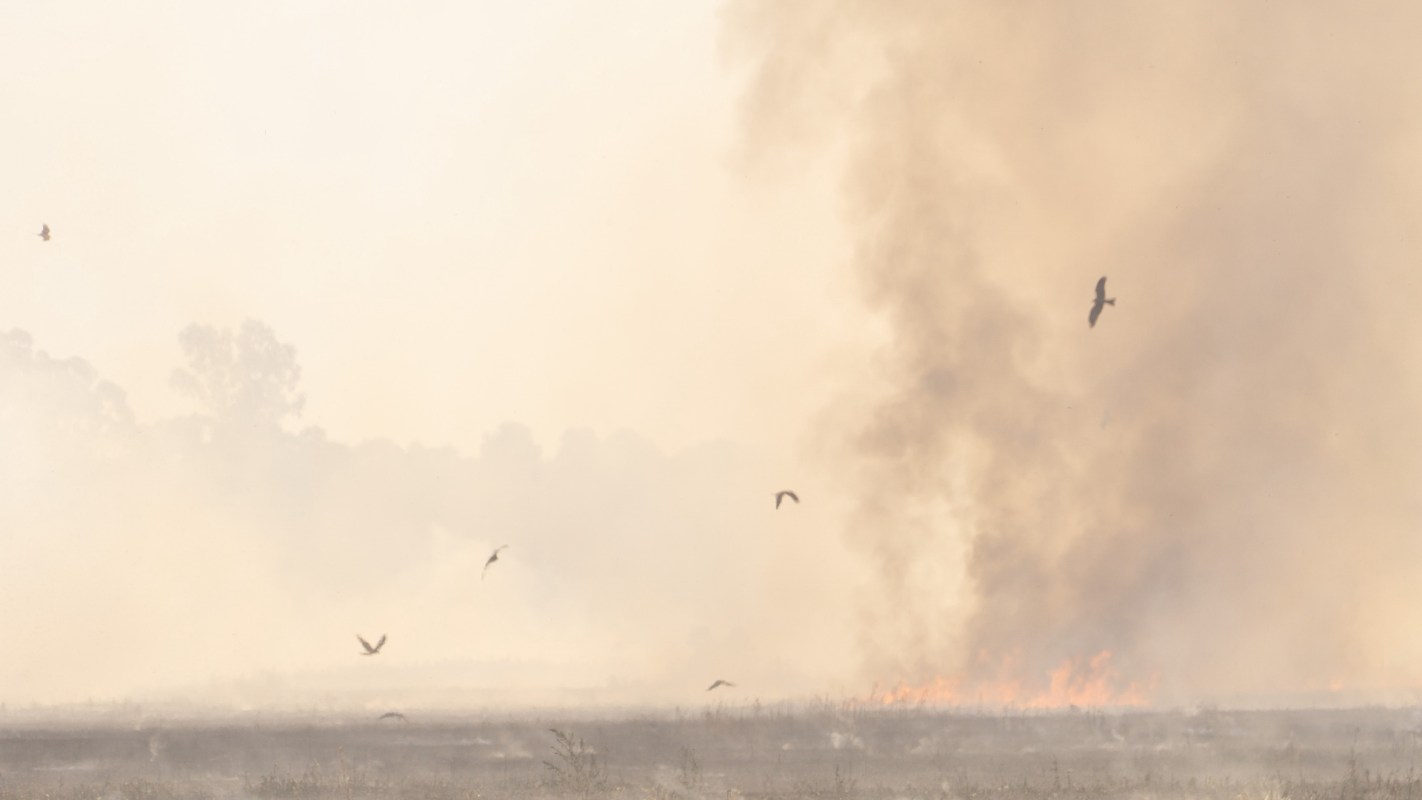
A new study uncovered a surprising truth about the impact of wildfires on California's bird populations.
What's happening?
Scientists examined the impact wildfires have on bird populations using data from the last 35 years of burns in the national parks of the Sierra Nevada Inventory & Monitoring Network.
The resulting study was published in the journal Fire Ecology.
Researchers found that bird populations grew significantly after wildfires, with numbers often remaining high long after the fires subsided.
Of the 42 species they studied, 11 showed increases with no decline after 35 years, 10 exhibited positive responses that stayed high after 20 years, eight showed a positive increase for less than 20 years, and just 13 showed no change after wildfires.
However, the study also observed benefits from moderate wildfires, rather than the massive ones that tend to rage across the American West today.
TCD Picks » Quince Spotlight
💡These best-sellers from Quince deliver affordable, sustainable luxury for all




"Until about 10 years ago, the only thing we knew was the opening scene of Bambi," said UCLA ornithologist Morgan Tingley, according to Mongabay.
"We just thought that everything flees, and if it doesn't flee fast enough, it dies. We're starting to learn better about how species have adaptive traits to deal with fire."
Why is this important?
The study focused on moderate wildfires for a reason; they give wildlife a chance to escape the blaze and return later.
Fire has always been a part of life in the western U.S., but its ecosystems have adapted to thrive after a burn. Birds are essential to an ecosystem's recovery; they pollinate, spread seeds, and control insect populations, all of which are crucial in the early post-fire stages.
|
What's the most you'd pay per month to put solar panels on your roof if there was no down payment?
Click your choice to see results and speak your mind. |
 $200 or more 💰
 However, if the fire spreads too quickly, birds and other wildlife don't have a chance to escape, meaning their ecosystems won't bounce back as quickly.
"There is much we still have left to discover about the impacts of wildfire smoke on the health and behavior of birds," said Olivia Sanderfoot, study co-author and head of Project FeederWatch with Cornell University.
"One of the best opportunities to learn more is through participatory science and long-term monitoring … This data is incredibly powerful in helping us build studies to understand the effects of wildfire smoke and what we need to do to limit risks to birds."
What's being done about it?
Studies like this drive home the importance of fire mitigation and prevention.
While dealing with fires will become increasingly common as our planet warms, we can take steps to slow them and give wildlife a fighting chance.
From satellite and AI-based monitoring systems to improved environmental maintenance and homeowner mitigation efforts, efforts are underway to enable wildlife to rebuild their ecosystems after a fire.
"Fire is, in some senses, devastating. And in other senses, rejuvenating," said lead author Chris Ray.
"As old, big things fall and burn, new, young, high-protein vegetation grows up. Birds can have more to eat, and new places to nest. There are many ways that birds can take advantage of the new landscapes, and apparently, they do. Fire is a tool."

Get TCD's free newsletters for easy tips to save more, waste less, and make smarter choices — and earn up to $5,000 toward clean upgrades in TCD's exclusive Rewards Club.