


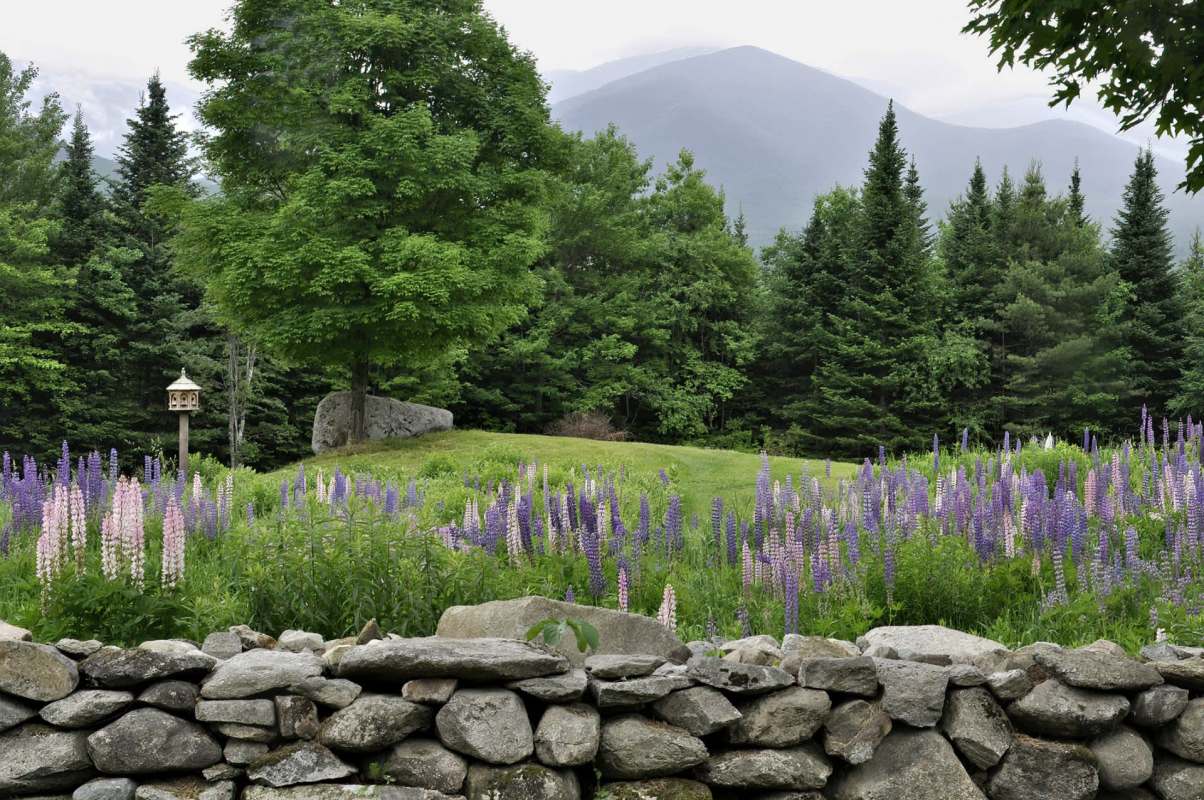
Scientists in Indiana are battling an invasive plant that has been spreading aggressively along rivers and marshes.
Researchers have begun releasing beneficial beetles that eat purple loosestrife to naturally slow its spread and protect native ecosystems.
According to IndyStar, purple loosestrife is a tall, purple-flowered plant native to Europe and Asia. While its blooms might look attractive, this non-native species has a dark ecological impact.
Introduced to North America in the 1800s, it quickly found ideal habitats in wetlands and waterways, where it can form dense stands that outcompete native vegetation.
One plant can produce 2.5 million seeds annually, and its seeds have hybridized with native plants.
"We don't want the hybrids to get out there," said Will Drews, from the Indiana Department of Natural Resources.
TCD Picks » Quince Spotlight
💡These best-sellers from Quince deliver affordable, sustainable luxury for all




IndyStar noted that the hybridization of native and invasive plants can be an "ecological disaster."
An invasive species is any plant, animal, or organism that establishes itself outside its native range and begins thriving to the detriment of local ecosystems.
Without natural predators in their new home, invasives like purple loosestrife grow unchecked, monopolizing sunlight, nutrients, and space that native plants and wildlife depend on.
This can decimate biodiversity, altering food webs and habitat structures for insects, fish, birds, and other animals.
|
What's the most you'd pay per month to put solar panels on your roof if there was no down payment?
Click your choice to see results and speak your mind. |
 $200 or more 💰
 "Unlike a lot of invasive species where we're kind of limited on control methods, often with just manual and chemical control, we do actually have a biological control agent for purple loosestrife," Drews said.
To combat this invasive, scientists are turning to the purple loosestrife beetle to weaken or reduce the plant's populations.
This method was chosen to avoid harming native plants. While chemical herbicides are efficient, they can harm soil and cause long-term problems in ecosystems.
As scientists deploy beetles to restore balance, the fight highlights the importance of protecting native ecosystems before invasives can take over.

Get TCD's free newsletters for easy tips to save more, waste less, and make smarter choices — and earn up to $5,000 toward clean upgrades in TCD's exclusive Rewards Club.







