


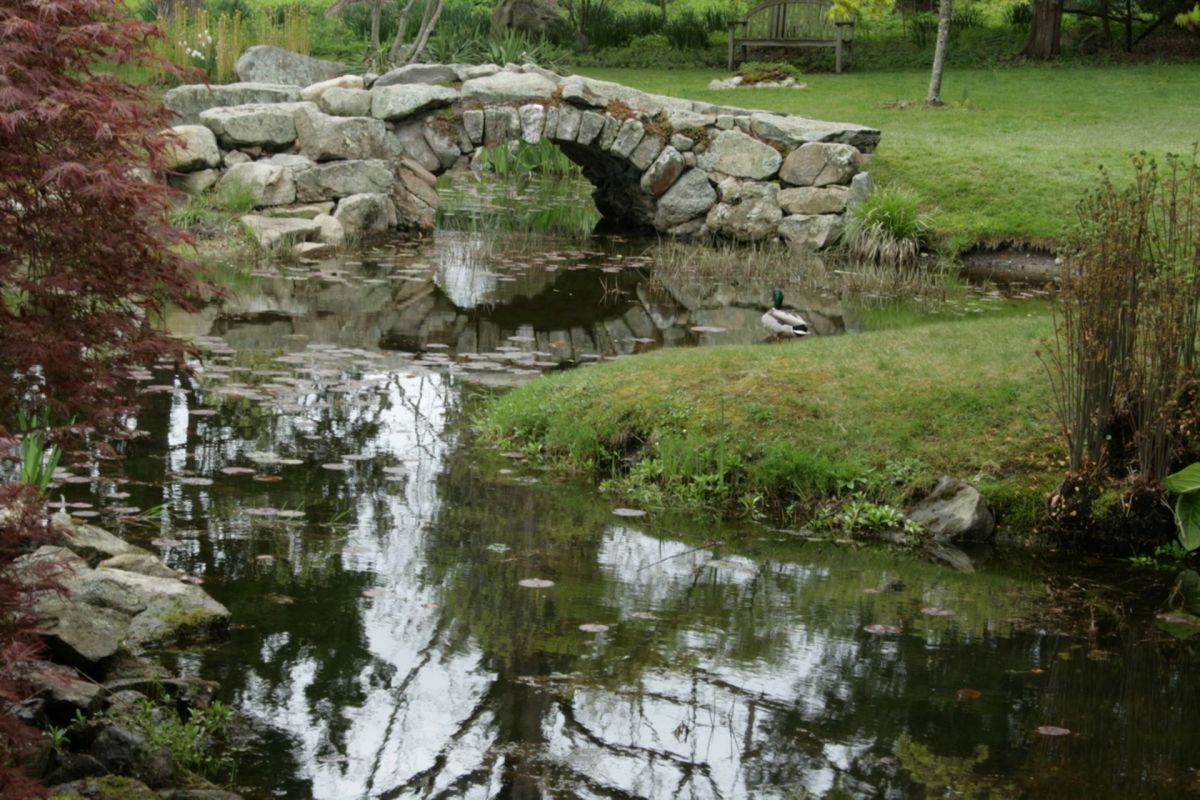
A historic Rhode Island estate is fighting to protect its century-old water and rock gardens from rising sea levels, turning to creative land-management strategies as coastal flooding increasingly threatens treasured green spaces.
What's happening?
Blithewold, a historic estate in Bristol, Rhode Island, is known for its whimsical stone work, sweeping lawns, and gardens that range from exotic showpieces to practical plantings.
Perched along Narragansett Bay — New England's largest estuary — the property's scenic location has long been part of its appeal.
Now, it's also its biggest vulnerability.
According to The Providence Journal, higher tides are pushing seawater farther inland, flooding Blithewold's gardens with growing frequency. What once happened a handful of times a year now occurs almost monthly, especially during full and new moon tides.
Dan Christina, Blithewold's director of horticulture, has worked on the grounds since 2002 and says the change has been impossible to ignore, with floodwaters spilling into garden beds that took decades to establish.
TCD Picks » Quince Spotlight
💡These best-sellers from Quince deliver affordable, sustainable luxury for all




Similar patterns are playing out across the East Coast, where rising seas have made flooding more common — meaning streets and properties now flood during routine high tides, not just major storms.
Why is this important?
When saltwater pushes inland, it does real damage — ruining soil, killing plants, and wearing down roads, homes, and historic sites.
Rising water also poses practical safety problems, including saltwater intrusion into drinking water supplies and flooded access routes that make it harder for emergency crews to reach during storms.
Much of that rise can be attributed to planet-warming pollution from burning oil, coal, and gas, which traps heat in the atmosphere and causes temperatures to increase. As polar ice melts and water expands due to heat, coastal flooding becomes a greater risk.
|
What's the most you'd pay per month to put solar panels on your roof if there was no down payment?
Click your choice to see results and speak your mind. |
 $200 or more 💰
 Because of increased flooding, both historic landmarks and everyday neighborhoods face tougher, more expensive decisions.
Blithewold's situation mirrors what's happening elsewhere along the coast, including at the House of the Seven Gables museum in Salem, where staff are also rethinking how to protect a waterfront property as tides creep higher.
What's being done about it?
At Blithewold, staff are focused on buying time. Workers are grading land and planting dense ground cover along a 190-foot-long, four-foot-high berm designed to slow incoming tides.
They are also refurbishing nearby ponds to prevent seawater from seeping underground and damaging freshwater gardens.
"We have to make the best possible choices we can while that's happening," Christina said. "The best choices right now are to protect gardens."
Blithewold's approach shows how people are adapting as water creeps higher — using nature itself to slow the water rather than block it outright.

Get TCD's free newsletters for easy tips to save more, waste less, and make smarter choices — and earn up to $5,000 toward clean upgrades in TCD's exclusive Rewards Club.







