


Utility bills have increased 6% over the past year nationwide, and nearly 80 million Americans have been scrambling to keep up in 2025, according to new research.
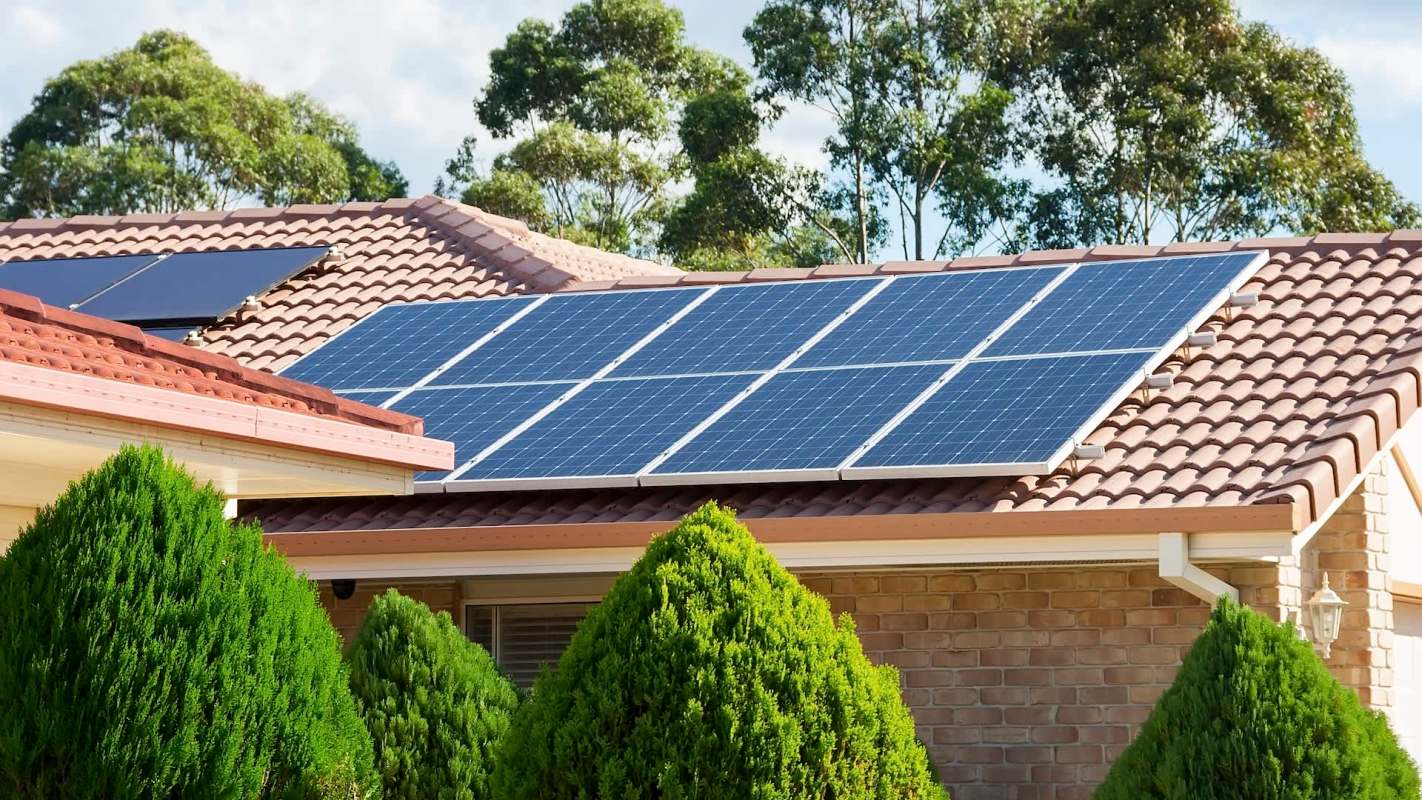
As energy demand continues to skyrocket with no end in sight (thanks, data centers), one of the smartest things to do to save money is invest in solar panels to get free energy right from your roof — as well as install high-efficiency HVAC and water heating systems to reduce the amount of energy your house needs in the first place.
Unfortunately, these appliances don't come cheap (the average solar setup costs about $30,000 upfront, according to EnergySage), which puts these solutions out of reach for many homeowners.
But a new report by the consumer energy platform Palmetto shows that millions of people have in fact found an alternative solution: using energy "subscriptions" to get solar panels and HVAC equipment without the high upfront costs. In fact, for Palmetto's LightReach program (for solar and batteries) and Comfort Plan (for high-efficiency HVAC), it's $0 in upfront costs.
By bypassing the initial investment barrier, homeowners using a Palmetto subscription (often also called a "power purchase agreement" in the case of solar panels) get the benefits of new clean energy technology that would otherwise have taken years to recoup (the average payback for solar is 10.5 years). In fact, in California alone, homeowners using Palmetto's system collectively saved nearly $28 million in 2025 by using solar panels instead of being tied to their traditional electricity rates.
"In 2025, we completed around 72,000 systems, helping families across 31 states take control of long-term electricity costs," said Eduardo Berlin, Palmetto's Chief Data Strategy Officer. "Those systems are also estimated to produce 700-plus gigawatt-hours of electricity in 2025 alone, and the climate benefit is comparable to taking around 110,000 gas-powered vehicles off the road."
The Cool Down chatted with Berlin to learn more about these impressive stats and how Palmetto's solar and appliance subscriptions are helping homeowners make bill-reducing upgrades — and even generating solar power that can help offset local data center demand.
The big takeaway: Clean energy can be affordable, and more homeowners are figuring out how to crack the code
Palmetto's 2025 impact report shows that creating an energy-efficient home, as well as an energy-resilient home (aka one that's not beholden to increasing energy rates by utility companies), is an increasingly important part of living a comfortable life.
The unique clean energy "subscription" model is allowing homeowners to finally take control of their energy, and Berlin told The Cool Down that "one of the most distinctive parts of [Palmetto's] footprint this year is that we're serving customers not only across 30 states, but also in Puerto Rico, which is still in the long path to recovery from Hurricane Maria, and the need for energy reliability and resiliency is ever present."
And this theme of clean, affordable energy is happening all across the country. Another example: When electricity rates in Connecticut increased beyond expectations last year, the homeowners in that state who were using Palmetto's LightReach subscription option were able to collectively save nearly $500,000 in utility costs.
|
What's the most you'd pay per month to put solar panels on your roof if there was no down payment?
Click your choice to see results and speak your mind. |
 $200 or more 💰
 Berlin was impressed by this aspect in particular: "I was struck by how much extra value predictable solar pricing creates when rates spike," he said.
And across the nation in Arizona, Palmetto installed 83 megawatts of solar panels for homeowners, which is over 50% of the installations in that state in 2024. In Florida, it was a similar story that year: 153 megawatts of solar panels were installed, which is 53% of the state's total solar installations.
Wild surprises when it comes to cheaper energy
We asked Berlin what was most surprising within Palmetto's impact report. Top of his list was the data center aspect.
"I was surprised by how directly residential solar now intersects with one of the biggest national energy stories — data centers and rapid electricity demand growth," Berlin said. "The report highlights Florida as a key example: As data centers expanded and demand surged, Palmetto solar systems offset almost 10% of local data center energy demand in 2025."
Data center growth is only expected to increase (it's about 55% of all projected energy growth through 2030, according to the consulting firm Grid Strategies), so using solar as a way to mitigate energy price increases is a huge win.
Bigger picture, Berlin explained that "distributed energy resources like solar – and storage — supports the health of the [electrical] grid by adding supply closer to where electricity is used and reducing stress when demand is rising." That means that when you have a power source right on your roof, it's an easy way to help stabilize the overall electricity grid in a region.
"Looking ahead," he added, "the report also emphasizes that accessible battery storage can help ease grid stress and reduce the burden of increasing outages for consumers." Whole-home batteries can also store energy from the grid when it's cheapest, allowing homeowners to then use that energy later when electricity prices have gone up, another bill-saving bonus — along with providing the ability to keep the power running smoothly during an outage.
What's next for Palmetto's clean energy solutions?
"The report makes a clear case that affordability and reliability will stay front and center because demand is rising fast — especially from hyperscalers [like data centers], which are expected to drive a large share of growth in electricity use through 2030," Berlin said.
"In response, our direction for 2026 is expanding access to cost-controlling solar through LightReach, offering zero-down HVAC through the Comfort Plan, and making battery storage more accessible to help ease grid stress as outages become more common."
And beyond the clear benefits of affordable, clean energy for homeowners, Palmetto's approach also "supports jobs and small businesses nationwide," Berlin said. The company will be leaning into that even more in the coming years, too.
"Palmetto's platform and financing help more than 500 active EPC [engineering, procurement, and construction] partners strengthen and scale, representing an estimated workforce of more than 11,000 people across the 31 states and territories where Palmetto operates," he told The Cool Down.

Get TCD's free newsletters for easy tips to save more, waste less, and make smarter choices — and earn up to $5,000 toward clean upgrades in TCD's exclusive Rewards Club.






