


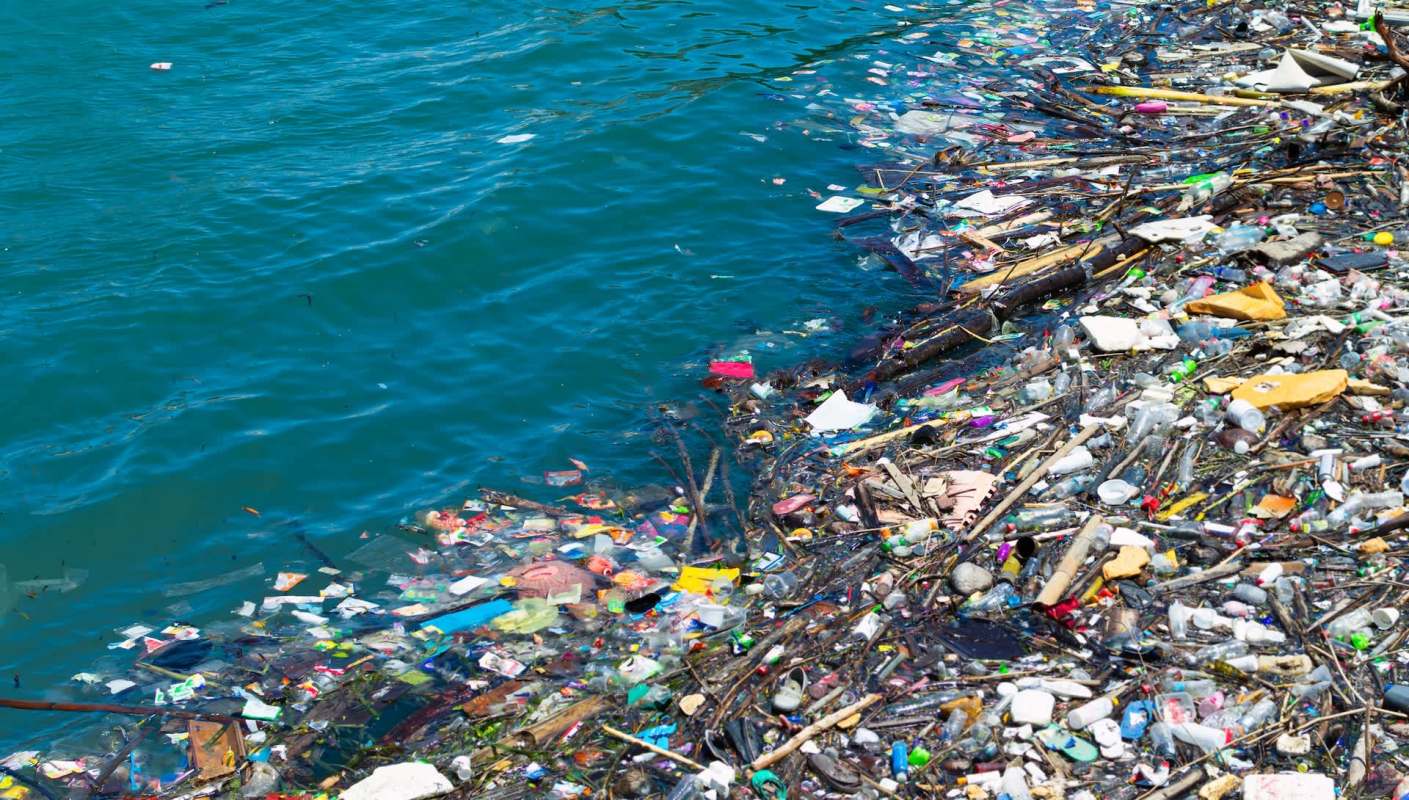
According to the National Research Council, the 115 million people living in the Philippines use approximately 2.3 million tons of plastic each year. Roughly 28% of that is recycled, while the rest is thrown away, and 20%-35% of the plastic waste tossed ends up in waterways.
Once in oceans, rivers, and lakes, this plastic can injure and kill aquatic life and release toxins into drinking water and soil.
Approximately 1,000 rivers in developing countries, particularly in Asia, account for most of the plastic leaked into waterways, and while some of these regions have local people cleaning up parts of them, they focus mostly on high-value waste.
However, one Finnish company, RiverRecycle, has found a way to reduce plastic in rivers.
As Michelle Fermin, RiverRecycle's marketing specialist, explained to Nikkei Asia at the PackPrintPlas Philippines trade show, "in emerging economies like the Philippines, the responsibility for river-bound waste effectively belongs to nobody."
Now, though, it can belong to RiverRecycle. Started in 2019, RiverRecycle uses trash booms to sieve through rivers to capture waste, including low-value waste. Once the booms have removed waste from the river, workers go through it and pick out all the plastic. This plastic is collected and taken to nearby facilities where workers sort, wash, and shred it.
TCD Picks » Quince Spotlight
💡These best-sellers from Quince deliver affordable, sustainable luxury for all




What happens to all that shredded plastic? RiverRecycle upcycles it to create colorful, 2-square-meter boards. The company then sells the boards as termite-resistant, waterproof alternatives to more commonly used materials, helping reduce waste.
One customer purchasing the boards is Fablab, a technical-vocational school in Cebu. Much like Sungai Watch in Indonesia, a nonprofit that collects river waste and turns it into chairs, the school utilizes the boards to create sustainable furniture. The school uses RiverRecycle's boards to replace acrylic sheets, plywood, and fiberboard, promoting circular design.
RiverRecycle does more than clean up waste and reduce waste from happening, though. The company hires local workers to collect, wash, and sort plastic waste from the trash boom, boosting local economies.
RiverRecycle began operations in India in 2020 and now has six setups in the country. The company also has five river-cleaning enterprises in the Philippines, with plans for five more, as well as two in Ghana, two in Bangladesh, and one in Indonesia.
|
What's the most you'd pay per month to put solar panels on your roof if there was no down payment?
Click your choice to see results and speak your mind. |
 $200 or more 💰
Get TCD's free newsletters for easy tips to save more, waste less, and make smarter choices — and earn up to $5,000 toward clean upgrades in TCD's exclusive Rewards Club.






