


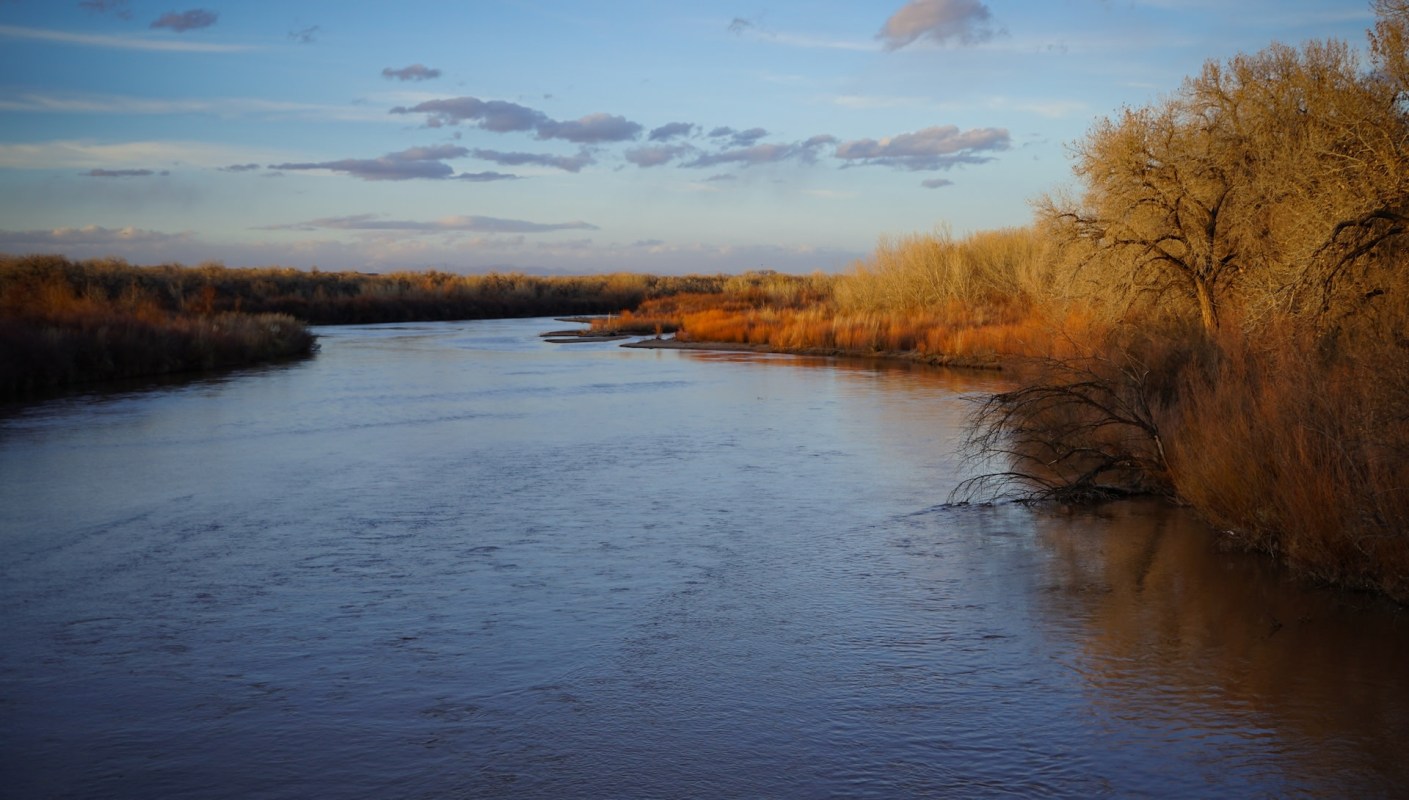
Water managers in New Mexico are urging lawmakers to fund a major effort to remove invasive plant species choking the Rio Grande bosque that is "sucking up lots of water" and disrupting the river's health, according to KRQE.
Invasive plants are non-native species that spread aggressively and outcompete the native vegetation that historically made local ecosystems resilient.
These invaders outcompete native plants for resources, including water, nutrients, sunlight, and space, often displacing other plants entirely.
In the bosque, the Rio Grande's iconic riparian forest, species such as salt cedar and Russian olive are examples that colonize riverbanks, drain precious groundwater, alter wildlife habitat, and even increase wildfire risk, according to the Ciudad Soil & Water Conservation District.
Homeowners and communities can also struggle with invasive plants, which overrun yards and parks. They often require persistent, costly efforts to remove, from manual pulling to herbicide treatments, and their prolific root systems can keep them coming back again and again.
So, the water managers pushing for funding to eradicate invasives is a good thing.
TCD Picks » Quince Spotlight
💡These best-sellers from Quince deliver affordable, sustainable luxury for all




"Right now, everyone says, 'Hey, it's expensive, and it's hard,'" Jason Casuga, the Middle Rio Grande Conservancy District CEO and chief engineer, said, per KRQE. "But, I pose the question back, 'If we love the Rio Grande in the Middle Valley … is it a conversation worth having?'"
This signals a shift toward proactive, large-scale restoration that can rein in the threat before it worsens. Investment in removal programs helps restore natural water balance and gives native plants a fighting chance.
Beyond large-scale restoration, individuals can help by choosing native plants in their own landscaping. Native species require less water and maintenance, lowering utility bills while creating healthier habitats for pollinators like bees and butterflies, which protect our ecosystem and our food supply.
As funding discussions move forward, efforts like these show that protecting the Rio Grande isn't just an environmental issue; it's an investment in resilient communities and a more sustainable future.
|
What's the most you'd pay per month to put solar panels on your roof if there was no down payment?
Click your choice to see results and speak your mind. |
 $200 or more 💰
Get TCD's free newsletters for easy tips to save more, waste less, and make smarter choices — and earn up to $5,000 toward clean upgrades in TCD's exclusive Rewards Club.







