


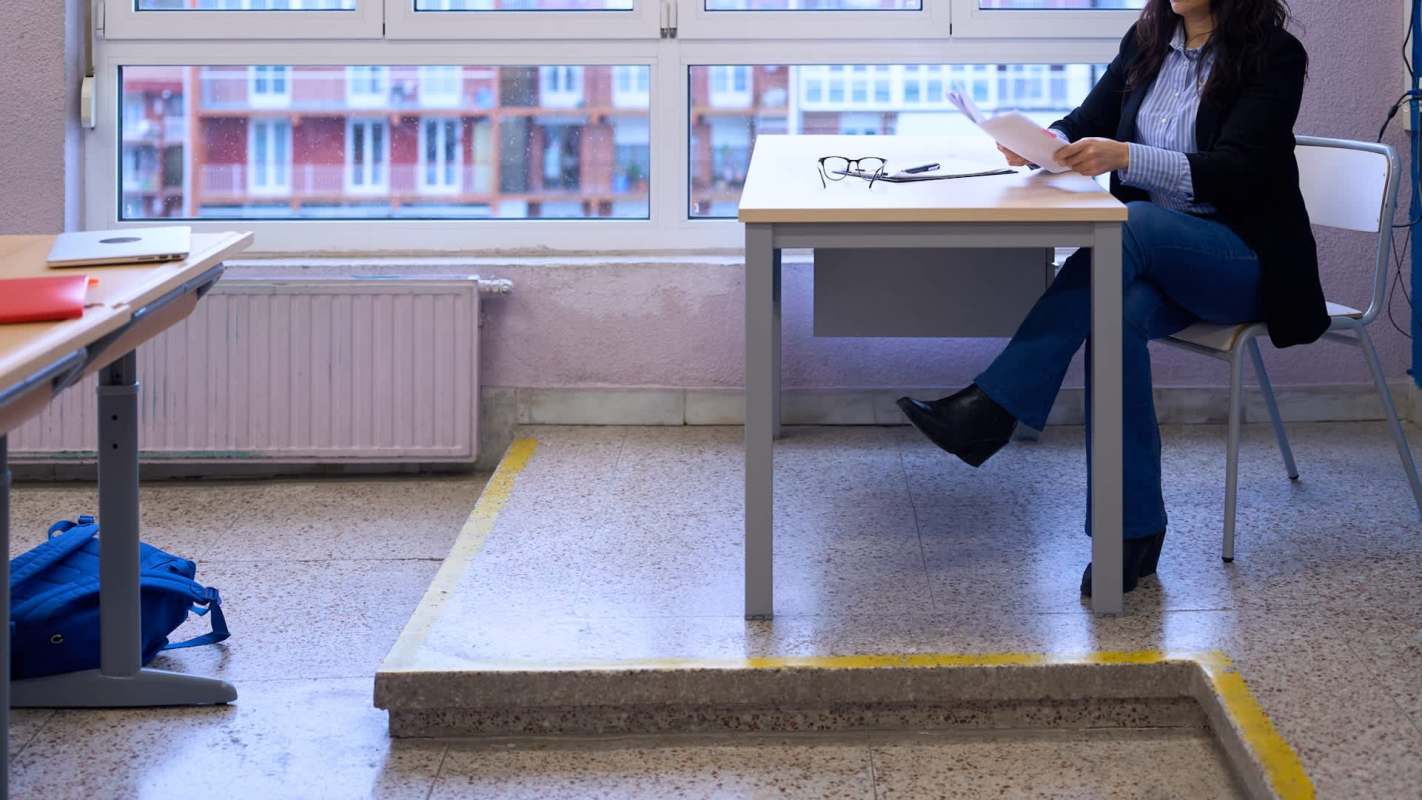
One teacher is taking an old-school approach to stopping a new technology in her classroom.
NPR profiled Chanea Bond, an English teacher at Southwest High School in Texas' Fort Worth Independent School District. Bond is having her students do nearly all assignments by hand to avoid them leveraging generative AI as a tool.
Bond reserves the students' use of their school-issued computers for typing final essays but grades each step of the process. The overall approach helps avoid students' reliance on tech to form their opinions.
Bond noticed that AI-assisted tasks often resulted in students having superficial understanding. They also had difficulty discerning what AI-generated notes were useful and which were not.
Skills like developing an argument and composing a thesis were going by the wayside. Students like sophomore Eligh Ellison said they understood the rationale behind Bond's AI ban.
"I think that AI does have a time and a place, but especially as it's still evolving and a lot of us are still yet to make solid opinions, we're standing on shaky ground," Ellison told NPR.
TCD Picks » Quince Spotlight
💡These best-sellers from Quince deliver affordable, sustainable luxury for all




Bond's approach to AI in the classroom is the exception rather than the rule. Bond's friend, Brett Vogelsinger, takes a different approach in his Philadelphia-area classroom. He advocates for responsible AI use, helping students discern when technology is beneficial versus when it is a shortcut.
Miami-Dade County Public Schools shared access to Google's Gemini chatbot with students. New Jersey is funding grants to expand classroom AI use, and the federal government is also making moves to finance AI teacher training.
Much like AI use overall, assessing the pros and cons of the tech in the classroom is complex.
AI can optimize clean energy systems, reduce waste, and enhance grid management. At the same time, AI also consumes significant energy and water resources and presents risks related to data misuse and security. Simultaneously, AI can help with rising energy costs but also be the driving force behind them.
|
What's the most you'd pay per month to put solar panels on your roof if there was no down payment?
Click your choice to see results and speak your mind. |
 $200 or more 💰
 In education, AI can theoretically help students gain a baseline understanding of difficult concepts. If that ends up replacing all their critical thinking, though, they aren't learning anything at all.
An anonymous student asked: "Would you rather really grow from an experience of actually doing some work and critically thinking about the things you're writing or talking about, or just taking nothing away from it and just use a robot?"

Get TCD's free newsletters for easy tips to save more, waste less, and make smarter choices — and earn up to $5,000 toward clean upgrades in TCD's exclusive Rewards Club.






