


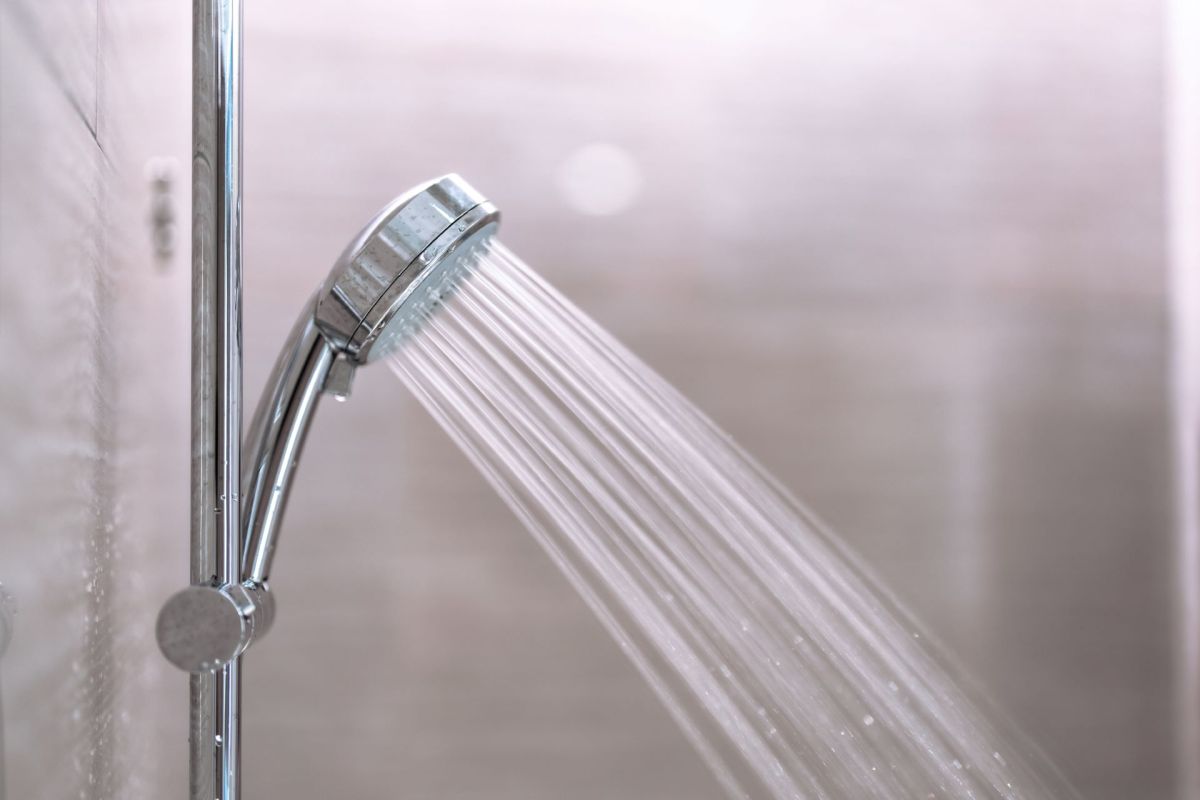
The House of Representatives recently advanced legislation to roll back federal efficiency standards and allow showerheads to use more water, according to the Associated Press.
The bill, called the SHOWER Act — "Saving Homeowners from Overregulation With Exceptional Rinsing" — would relax longstanding limits on showerhead water flow.
What's happening?
On Jan. 13, the House passed the SHOWER Act by a vote of 226 to 197.
Rep. Russell Fry, a Republican from South Carolina, sponsored the bill, which targeted federal rules capping showerhead flow at 2.5 gallons per minute.
Fry defended the legislation, saying it ensured consumers have choices.
"If they want a nozzle that dribbles on their head, well then, go get one of those. If you want something that slices an orange, well then, go get one of those. That should be your choice as a consumer," he explained.
TCD Picks » Quince Spotlight
💡These best-sellers from Quince deliver affordable, sustainable luxury for all




Showerhead water flow has been regulated by federal law for more than 30 years, taking effect in 1994 under the Energy Policy Act of 1992, according to the Department of Energy.
In 2013, the federal government applied those limits to the entire showerhead, including those with multiple nozzles. In 2020, the law was weakened to allow each nozzle to spray up to 2.5 gallons, but that change was reversed in 2021.
In April, the White House issued an executive order calling for the end of water conservation standards for appliances, including showers, dishwashers, and toilets.
The House bill was inspired by that directive.
|
What's the most you'd pay per month to put solar panels on your roof if there was no down payment?
Click your choice to see results and speak your mind. |
 $200 or more 💰
 Why is the SHOWER Act concerning?
While it's understandable to want a showerhead that delivers enough water to get clean, the bigger factor in a powerful shower is water pressure and flow, similar to how a pressure washer doesn't actually use more water than a regular hose.
Water-efficiency rules were implemented to reduce household water use and the energy required to heat it, thereby saving consumers money and conserving resources.
Proponents argue that the regulations on the books allow sufficient water flow from a properly designed showerhead.
The original showerhead legislation "cut America's water and energy consumption, reduced … emissions, and saved consumers money," as ProPublica noted.
Under existing federal rules, the Department of Energy indicated that these efficiency standards saved the average American household approximately $576 a year on utility bills and cut water consumption by 12% — something that adds up when multiplied across millions of households.
For families facing higher utility costs across the board, the provisions of the SHOWER Act could mean larger water bills each month for the same daily routines, though, as Fry noted, consumers paying attention could still seek out showerheads designed to reduce water usage.
What's being done about it?
Lawmakers and advocacy groups urged the Senate to block the SHOWER Act and keep existing efficiency protections in place.
However, the Associated Press noted that the bill's "prospects in the Senate" were "uncertain."
For households, efficient appliances and hardware remain an important way to save money, water, and energy, especially as these resources are under increasing strain nationwide.

Get TCD's free newsletters for easy tips to save more, waste less, and make smarter choices — and earn up to $5,000 toward clean upgrades in TCD's exclusive Rewards Club.






