


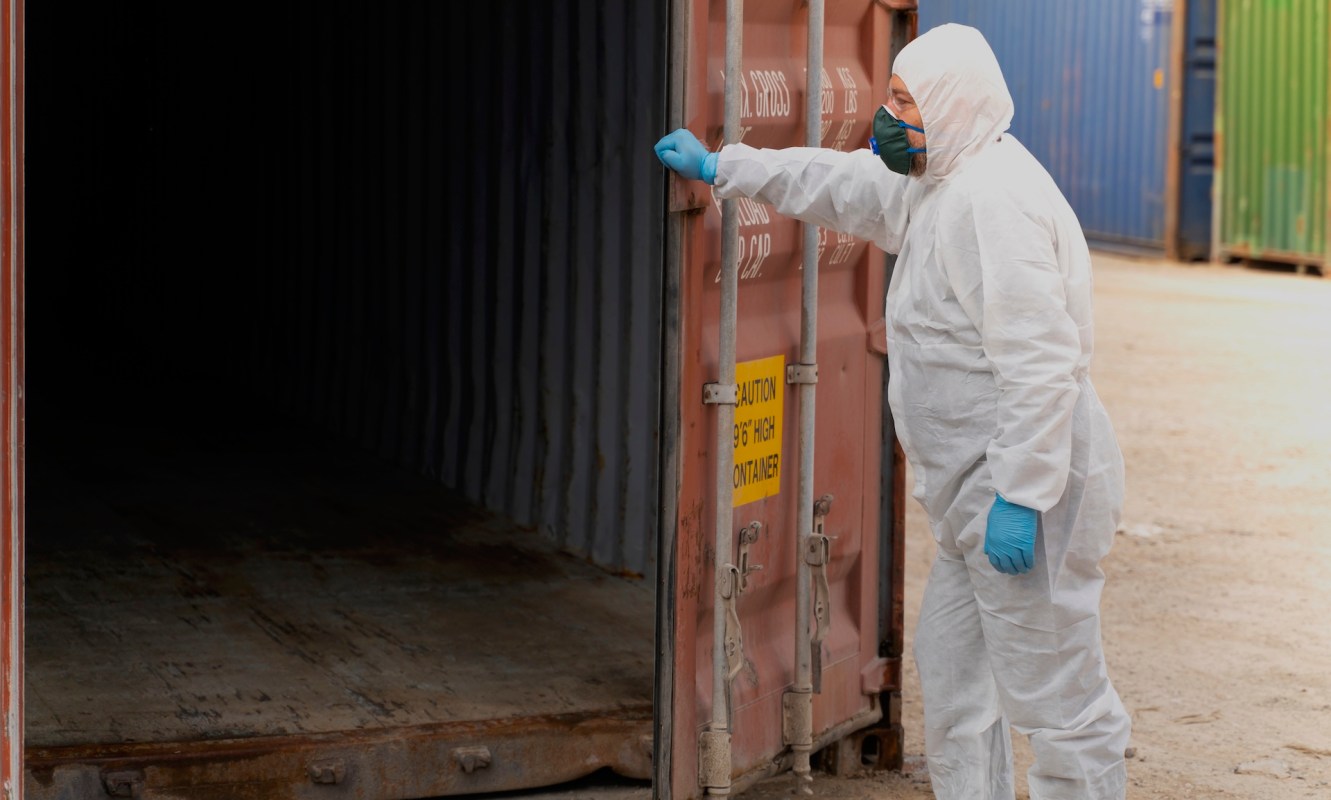
Shipping containers moving through U.S. ports may be carrying more than produce and consumer goods. Researchers say a toxic fumigant that was supposed to be phased out decades ago is still being used to disinfect freight. Nearby communities could be breathing the consequences.
What's happening?
A new study from UCLA and UC Irvine researchers found methyl bromide remains in use across 36 of California's 58 counties. This is happening despite long-standing efforts to eliminate the chemical because of its health and environmental impacts.
While most agricultural uses in California largely ended by 2015, the study points to a major loophole. Exemptions still allow methyl bromide for shipping-related fumigation, including freight containers treated for "quarantine and preshipment" purposes.
The authors said the most significant impacts may be concentrated in port areas. Between 2023 and 2024, air monitoring in western Long Beach averaged 2.1 parts per billion (ppb). That's "nearly double the state's recommendation" of 1.2 ppb, according to a UCLA summary of the findings.
Why is this concerning?
Methyl bromide is a "developmental, neurologic and respiratory toxin," the researchers wrote, but the concern goes beyond individual exposures. Continued use of the chemical means more of it can leak into the surrounding air. It can affect entire neighborhoods near busy shipping corridors.
Children are especially vulnerable because they breathe more air relative to their body weight, increasing their exposure to airborne chemicals. In western Long Beach, where elevated levels were recorded, the affected area includes an elementary school, hundreds of homes, and nearby parks.
TCD Picks » Quince Spotlight
💡These best-sellers from Quince deliver affordable, sustainable luxury for all




If daily exposure continues, researchers warn it could lock in long-term health disparities in port-adjacent communities. These places already face heavy freight traffic and industrial pollution.
As study co-author Yoshira Ornelas Van Horne put it, gaps in oversight and monitoring mean "people's health is at risk."
The study also underscores a broader environmental concern. Methyl bromide was phased out in large part because it damages the ozone layer. Ongoing exemptions risk slowing progress toward cleaner air and safer systems for moving goods.
What's being done about it?
The researchers argue the existing data already supports stronger safeguards. They include better coordination across agencies, expanded monitoring, clearer exposure notification systems, and faster replacement of methyl bromide with lower-risk alternatives.
While the issue is largely driven by policy and industry practices, individuals can still play a role. Becoming aware of where methyl bromide is used — including on shipping materials like pallets marked "MB" — is one starting point, particularly for people who work in logistics, retail, or warehousing.

Get TCD's free newsletters for easy tips to save more, waste less, and make smarter choices — and earn up to $5,000 toward clean upgrades in TCD's exclusive Rewards Club.






