


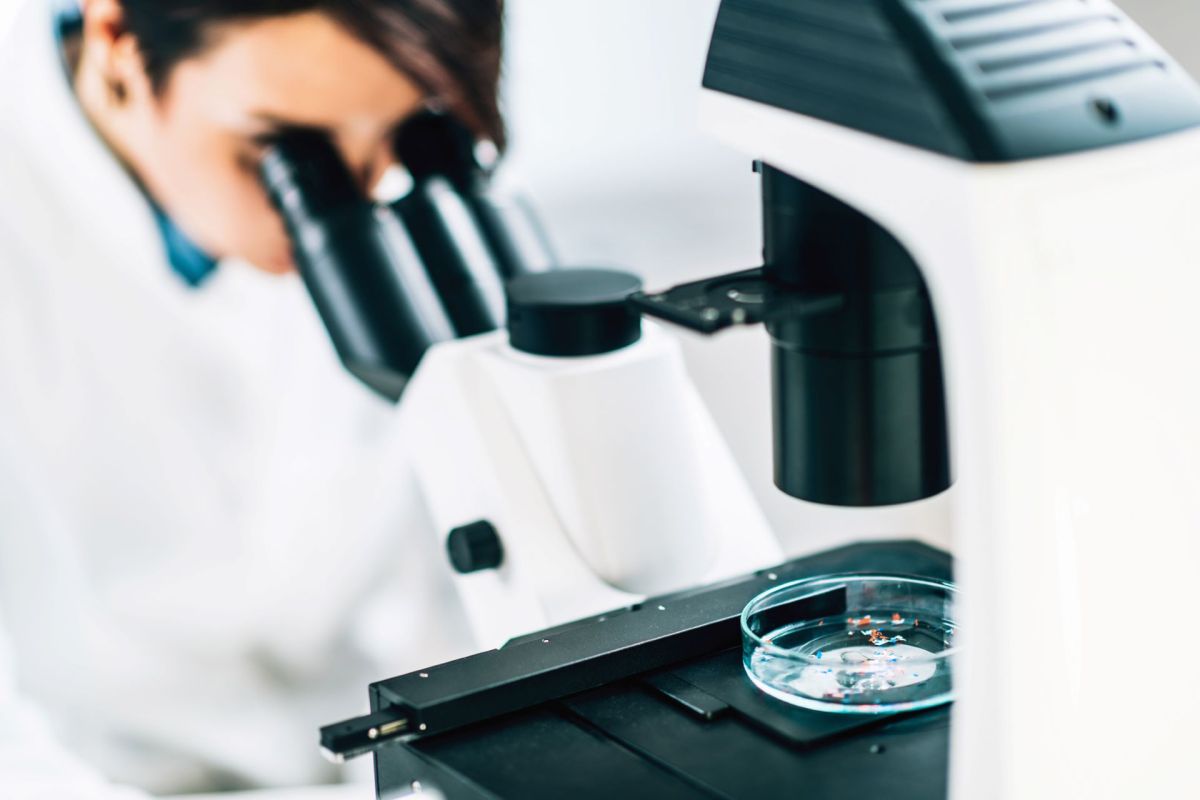
A new study investigated microplastics' effects on fertility and lifespan when combined with another common toxin found in household products.
What's happening?
St. Mary's University summarized the results of the collaborative paper published by its alumni and students.
The researchers analyzed how polystyrene microplastics mixed with di-butyl phthalate affected the lifespan and fertility of a millimeter-long nematode worm, Caenorhabditis elegans.
As St. Mary's noted in its summary, "Di-butyl phthalate is used as a plasticizer and a solvent in products such as adhesives, paints and cosmetics."
The researchers found that the mixture significantly reduced the total number of young produced and increased the likelihood of embryo death during early development when compared to exposure to microplastics alone.
After hatching, chronic exposure to microplastics and di-butyl phthalate shortened the lifespan of the worms.
TCD Picks » Quince Spotlight
💡These best-sellers from Quince deliver affordable, sustainable luxury for all




"Microplastics and toxins themselves can have detrimental effects, but the two together are worse than each of them individually," said study author Jennifer Harr, who is an associate professor of biological sciences at the university.
"When combined, the polystyrene microplastics and the di-butyl phthalate led to significantly reduced lifespan and significantly reduced reproduction in the worms," Harr added.
Why is this study important?
Scientists are still in the early stages of understanding the health impacts of microplastics, tiny plastic particles that break off from larger ones and pollute food, air, water, and soil.
However, other studies have indicated serious health impacts tied to microplastics exposure.
|
What's the most you'd pay per month to put solar panels on your roof if there was no down payment?
Click your choice to see results and speak your mind. |
 $200 or more 💰
 One investigation, which focused on mice, found that microplastics became lodged in the rodents' brains, blocking blood flow and impairing their movement. These tiny plastics have also been linked with dementia, cancer, and other concerning health problems.
What's being done about microplastics?
Researchers are working on special devices that can remove microplastics from water at treatment plants. One such effort filtered out 84% of microplastics using a new membrane made from polyvinyl alcohol and graphene oxide.
Meanwhile, some companies are working on ways to remove microplastics and other contaminants from people's bloodstreams. Actor Orlando Bloom reportedly spent around $13,000 for such a treatment. (The benefits of such treatments are still under investigation.)
But without reducing plastic consumption, new microplastics will continue to plague the planet. Some easy ways to do this include opting for a reusable water bottle and bringing your own to-go container when dining out.

Get TCD's free newsletters for easy tips to save more, waste less, and make smarter choices — and earn up to $5,000 toward clean upgrades in TCD's exclusive Rewards Club.






