


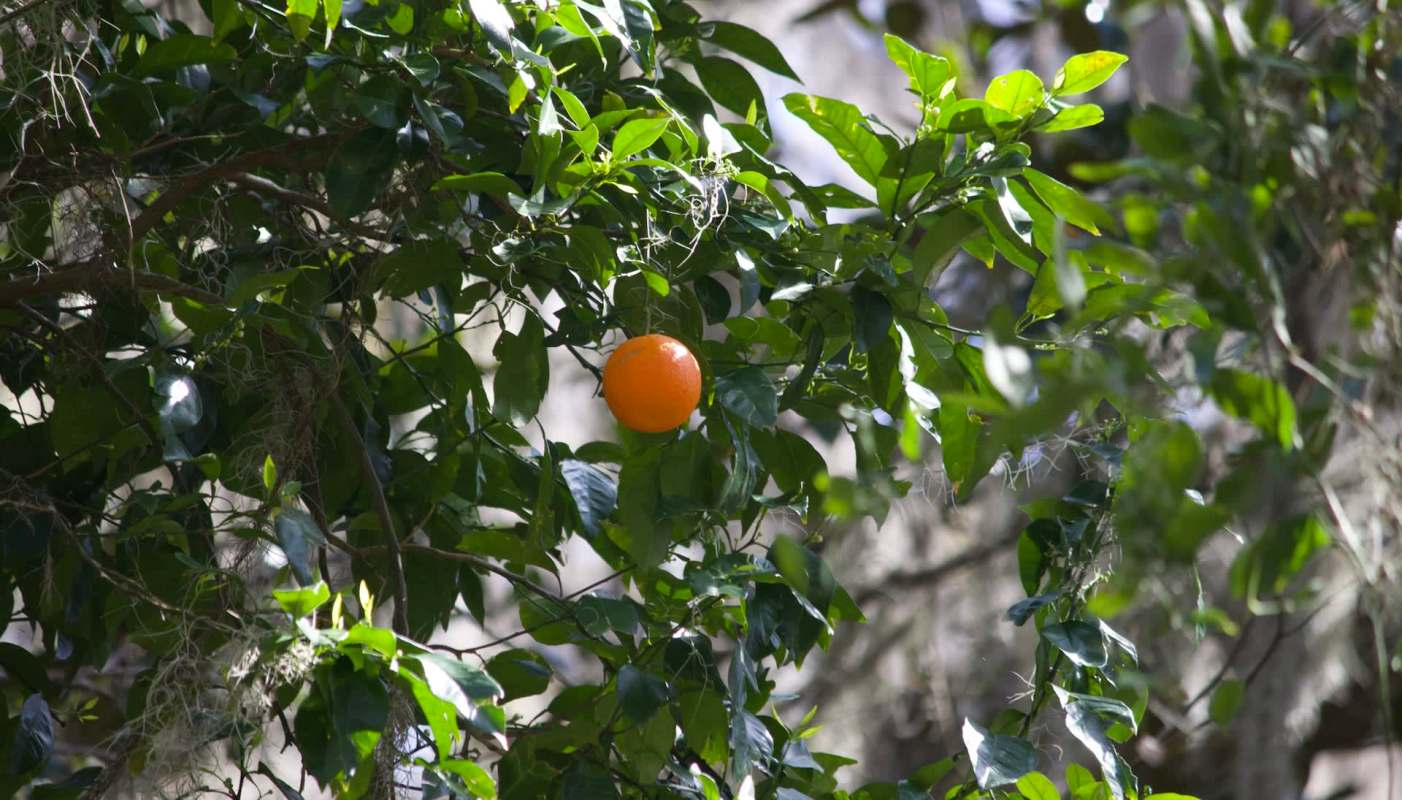
This little insect is small but mighty — and not in a good way.
Florida is facing a citrus crisis, primarily caused by the citrus psyllid, an invasive pest that stunts growth and spreads a greening disease called HLB from tree to tree.
What's happening?
Per USA Today, the citrus industry in Florida once reached almost one million acres and now barely scrapes by at 200,000.
A large part of such a drastic reduction can be attributed to the psyllids, which have wreaked such havoc on growers' orchards that many have given up on the practice altogether.
According to Ute Albrecht, a plant physiology researcher at the University of Florida, "We have had a 90% reduction in acreage and production compared with pre HLB."
The insects carry HLB between different trees, making the disease hard to stop before it has already done irreparable damage to the infected citrus.
TCD Picks » Quince Spotlight
💡These best-sellers from Quince deliver affordable, sustainable luxury for all




As citrus psyllids are not native to Florida, Florida's fruit trees are ill-prepared to deal with the problems they bring.
Why is this important?
Invasive species like the citrus psyllid are exactly as their name describes — invasive.
They take over areas with well-functioning ecosystems, dominating the food chain, soaking up nutrients, and spreading bacteria that native plants aren't used to.
In fact, psyllids aren't even the only invasive problem Florida is having. In the Everglades, Burmese pythons have become infamous for their quick breeding and tendency to hog resources from other wildlife.
|
What's the most you'd pay per month to put solar panels on your roof if there was no down payment?
Click your choice to see results and speak your mind. |
 $200 or more 💰
 When keystone species are forced to share resources or are outcompeted in the food chain altogether, there are devastating gaps left in the ecosystem by their absence.
Native flora and fauna play a crucial role in supporting the biodiversity of their local environments.
As they are already well-adapted to the places they reside in, they contribute to the lifecycle of the spaces they are accustomed to in turn.
Without native species, the ecosystem is at an imbalance that can have negative consequences on every level — from the smallest prey animal to humanity as a collective.
What's being done about this?
Thankfully, scientists have developed working solutions to combat the citrus psyllids, including intentional plant breeding for stronger root structures and specific treatments meant to keep the bugs at bay.
USA Today says that "the figures showing the industry's decline miss the optimism and determination of growers and scientists working to turn things around," which is a promising look at the future.
Though things may seem bleak presently, people are actively working toward a solution to revive the citrus industry in Florida and to make better, tastier fruit as a result.

Get TCD's free newsletters for easy tips to save more, waste less, and make smarter choices — and earn up to $5,000 toward clean upgrades in TCD's exclusive Rewards Club.







