


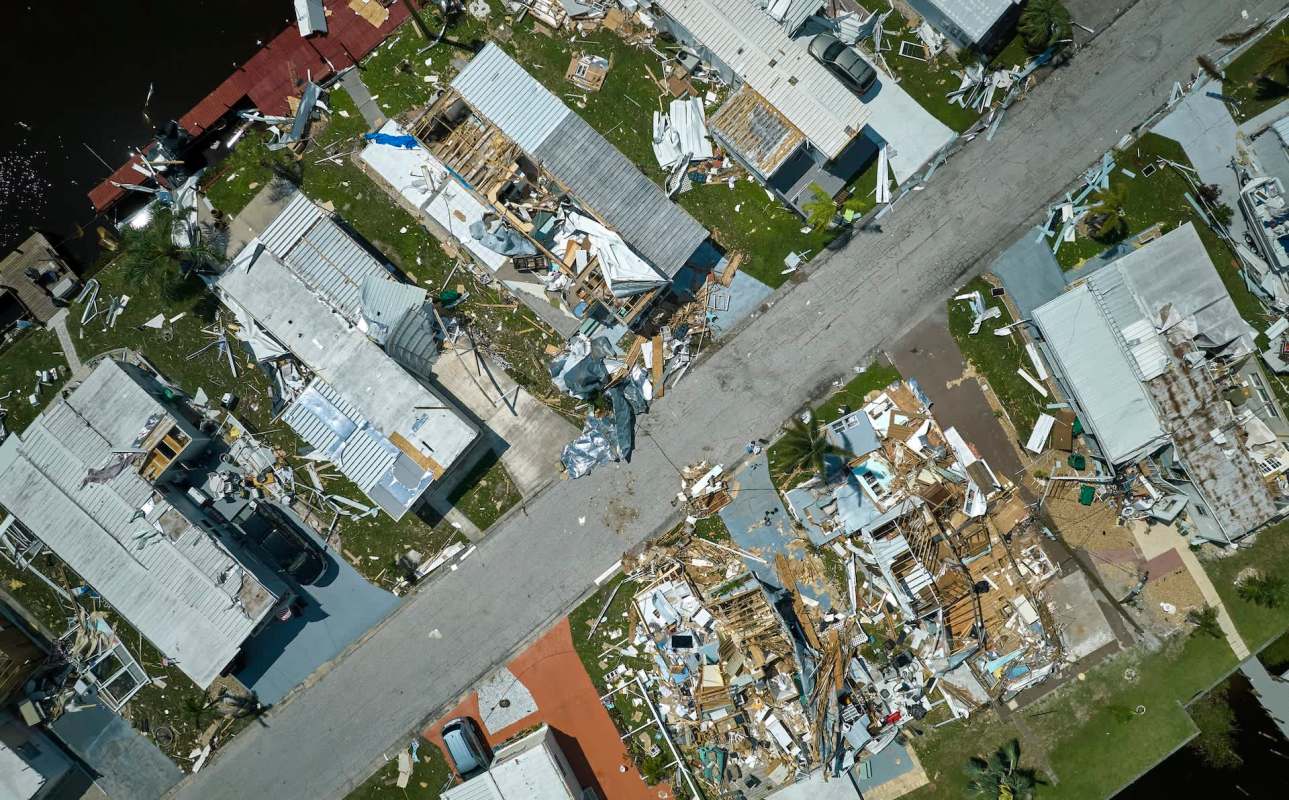
The World Wildlife Fund released a new report warning that the United States insurance system is nearing a crisis due to the rising frequency and severity of natural disasters driven by warming temperatures, leaving millions of homeowners financially vulnerable, according to a news release.
What's happening?
According to the white paper, "Tackling the Insurance Protection Gap," restoring ecosystems and investing in climate adaptation are crucial to dampen the impacts of uninsured losses from extreme weather such as floods, wildfires, and heat waves.
The report emphasized that healthy ecosystems, especially wetlands, forests, and coastal mangroves and reefs, act as buffers against natural disasters, but degradation of these landscapes reduces community resilience and makes it harder for people to recover financially from weather events.
WWF noted that nature-based solutions could offer cost-effective protection but are rarely factored into insurance pricing or risk assessments. As a result, the insurance protection gap — the difference between total economic losses from climate-related disasters and the portion actually covered by insurance — is rising, with uninsured losses totaling over $200 billion globally in 2024.
"The insurance protection gap is the canary in the coal mine for the U.S. economy, and it's a warning rooted in the loss of nature's protective systems," Marcene Mitchell, WWF's senior vice president of climate change, said in the press release.
"When ecosystems are degraded, communities lose their first line of defense against extreme weather. By restoring and valuing nature's ability to protect people and property, we can strengthen community resilience and public budgets."
TCD Picks » Quince Spotlight
💡These best-sellers from Quince deliver affordable, sustainable luxury for all




Why is the report concerning?
Across the world, many insurers are either withdrawing from high-risk areas or raising premiums substantially, leaving major losses uninsured. The report noted that since 2018, nearly 2 million home insurance policies have not been renewed, especially in vulnerable states such as California, Florida, and Louisiana. As a result, the number of homes without insurance has more than doubled in the U.S., rising from 5% in 2019 to 12% in 2025.
Without insurance, interested buyers can't get mortgages, property values fall, and states must allocate more resources to disaster relief rather than to community investments.
While engineered defenses are important for reducing damage from increasing natural disasters, the report found that protecting and restoring ecosystems could be even more effective. For example, for every dollar invested in climate resilience in the U.S., up to $13 in losses can be avoided, yet this is rarely reflected in insurance models.
What solutions did the WWF report recommend?
In addition to taking proactive steps to regenerate ecosystems, WWF called for improving insurance regulations and risk assessments, policies that reduce pollution and conserve nature, and stronger collaboration between private insurers and governments.
Since rising temperatures caused primarily by the burning of dirty fuels are driving much of the extreme weather, government and public efforts to transition to cleaner energy systems will have the largest impact on protecting communities and nature.
|
What's the most you'd pay per month to put solar panels on your roof if there was no down payment?
Click your choice to see results and speak your mind. |
 $200 or more 💰
Get TCD's free newsletters for easy tips to save more, waste less, and make smarter choices — and earn up to $5,000 toward clean upgrades in TCD's exclusive Rewards Club.






