


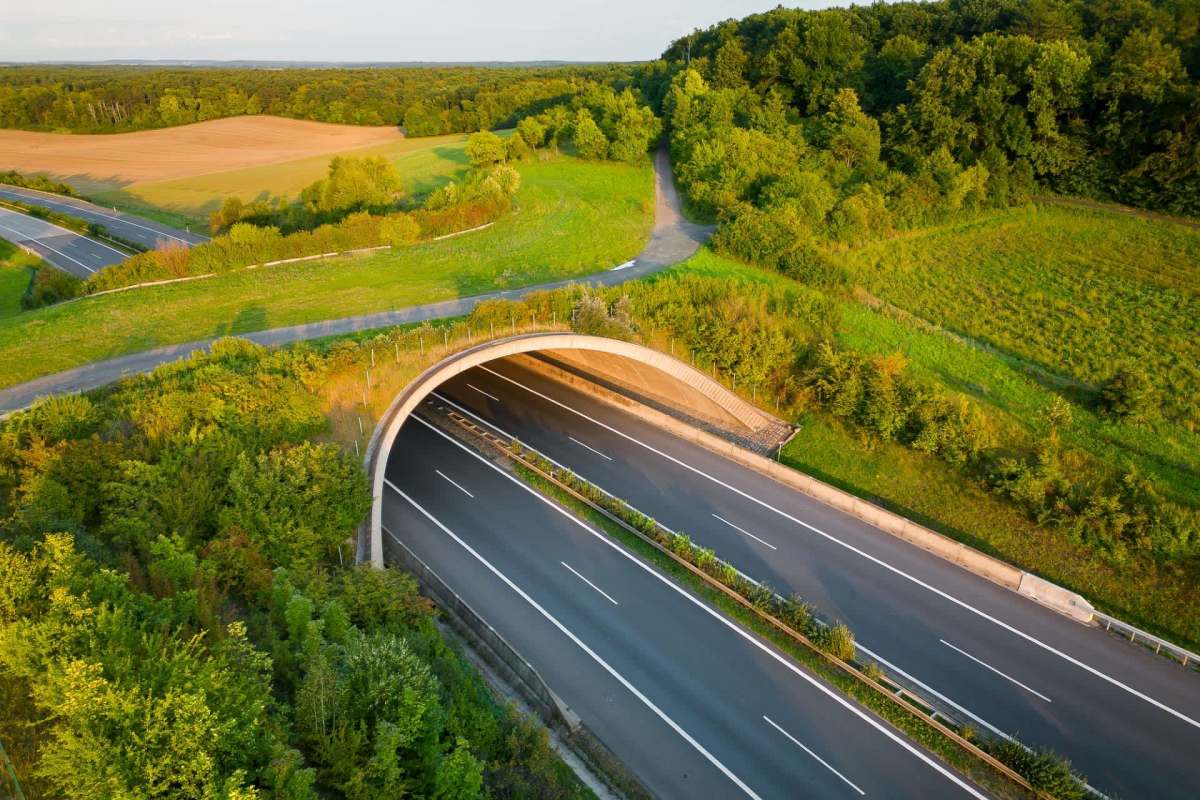
Federal funding for wildlife crossings could become permanent instead of temporary. If a bill introduced this past fall becomes law, roads and highways could be made much safer for people and animals.
U.S. Representative Don Beyer of Virginia introduced H.R. 6078 in November to reauthorize the Wildlife Crossings Program and extend its funding through 2031. U.S. Rep. Ryan Zinke of Montana and U.S. Rep. Jared Huffman of California cosponsored the bill.
If ultimately passed and signed into law, according to MTN News, the Wildlife Road Crossings Program Reauthorization Act of 2025 would cover the full costs for Tribal-led projects, fund wildlife-safe infrastructure, and keep related administrative costs to a minimum. This could help to ensure that safety improvements to crossings — bridges or tunnels that enable animals to cross roadways — and projects led by Tribal nations aren't delayed by limited local resources.
The proposal could have significant benefits for communities, especially those in areas with big-game migration corridors, such as in Montana. These places see high rates of collisions between animals and vehicles on major highways. Montana ranks second nationwide for animal collision risk, according to The Zebra, second only to West Virginia.
The Federal Highway Administration under the Biden administration shared in 2024 that around 1 million wildlife-vehicle collisions happen each year, resulting in approximately 26,000 injuries and 200 fatalities to drivers and passengers. Reducing these numbers was one of the primary goals of the original pilot program, which was created under the 2021 Infrastructure Investment and Jobs Act.
By reauthorizing and extending funding for a program that was initially a pilot, states and Tribes may be able to develop better-designed infrastructure for protecting wildlife migration routes and keep animals away from traffic — and people safe on the road.
TCD Picks » Quince Spotlight
💡These best-sellers from Quince deliver affordable, sustainable luxury for all




Other transit-related efforts, including proposals to protect cyclists and pedestrians and to expand high-speed rail across states, aim to reduce traffic dangers while encouraging people to choose lower-impact travel options.
The bill was referred to the Subcommittee on Highways and Transit soon after its introduction. It may have strong public backing, with more than 85% of Americans surveyed supporting wildlife crossing projects, according to Environment America.
"This bill locks in the progress we started, keeps the funding flowing to the states and Tribes that need it most, and ensures Montana families don't have to risk their lives or lose the wildlife we all cherish driving to work or school," Zinke said in November, per MTN News.
|
How would you describe the transportation infrastructure where you live? Click your choice to see results and speak your mind. |
 Great 🙌
Get TCD's free newsletters for easy tips to save more, waste less, and make smarter choices — and earn up to $5,000 toward clean upgrades in TCD's exclusive Rewards Club.






