


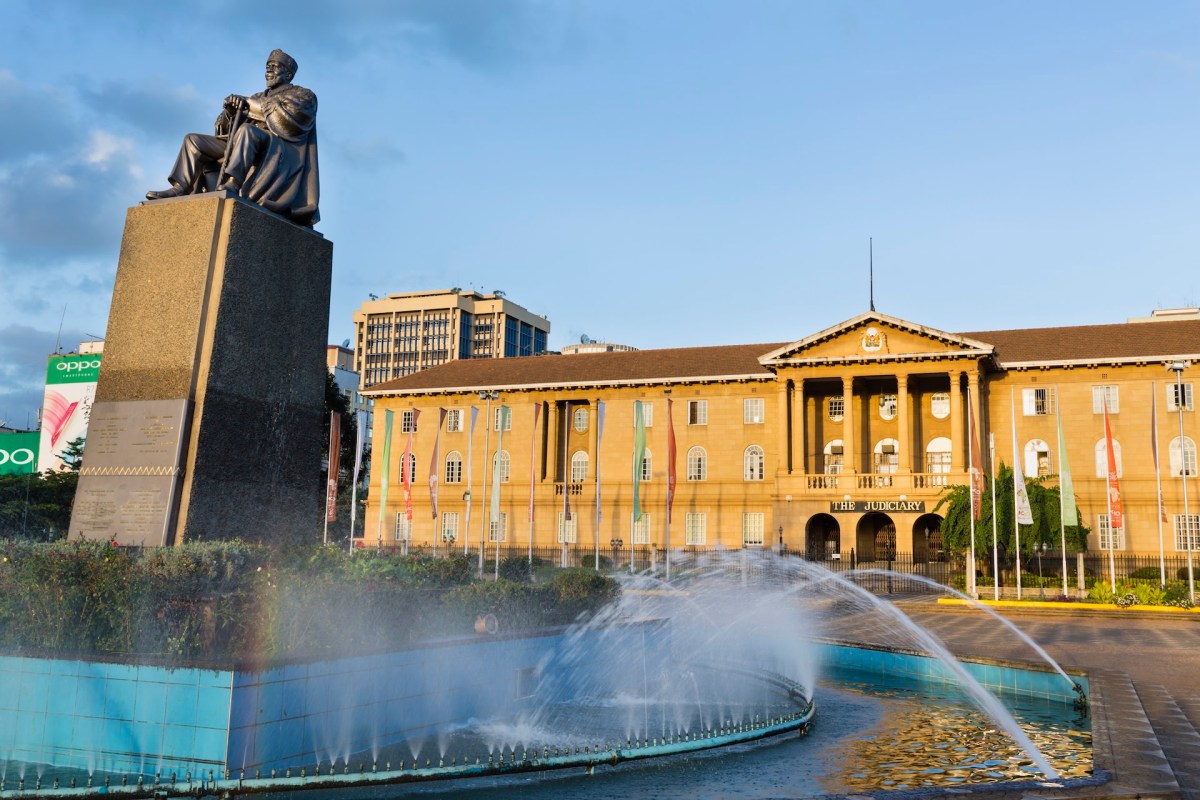
A Kenyan court prevented a coal-fired power plant from moving forward and compromising vulnerable local ecosystems.
The decision is characteristic of a broader shift away from coal-powered energy in East Africa.
As Mongabay reported, Kenya's Environment and Land Court upheld a ruling that revoked the proposed power plant's environmental license.
That controversial 1,050-megawatt coal plant would have significantly impacted the country's Lamu archipelago. But with this ruling, the islands, which are part of a UNESCO World Heritage Site filled with mangroves and coral reefs, are safe from devastating development.
The ruling protects native habitats, local fisheries, and the tourism industry. There was strong regional opposition to the coal plant due to health and biodiversity risks, as well as the power company's inadequate public consultation.
The culturally rich and environmentally sensitive archipelago is now safe from the pollution of coal power generation, a victory for local communities and environmental justice.
TCD Picks » Quince Spotlight
💡These best-sellers from Quince deliver affordable, sustainable luxury for all




Omar Elmawi, a lawyer who represented the people opposed to the power plant, said that this ruling "marks the end of an almost decade-long struggle," per Mongabay.
Court decisions like this are critical in halting projects that threaten natural resources and public health. When court rulings favor environmental protection, they also set important precedents for future conservation efforts.
If you are interested in taking action to prevent harmful energy projects in your community, consider volunteering with a local conservation group or donating to their cause.
Even small grassroots efforts can lead to critical legal action that holds corporations and governments accountable for polluting our world.
|
Do you think fracking should be illegal in America? Click your choice to see results and speak your mind. |
 Yes — everywhere 👏
 "This victory is a powerful reminder that when communities speak with one voice, they can move mountains," Elmawi said, according to Mongabay.
Elizabeth Kariuki from Natural Justice said in a statement: "This decision reinforces Kenya's constitutional commitment to environmental justice, public participation, and the rule of law. Development must never come at the expense of people's health, culture, or environment."

Get TCD's free newsletters for easy tips to save more, waste less, and make smarter choices — and earn up to $5,000 toward clean upgrades in TCD's exclusive Rewards Club.






