


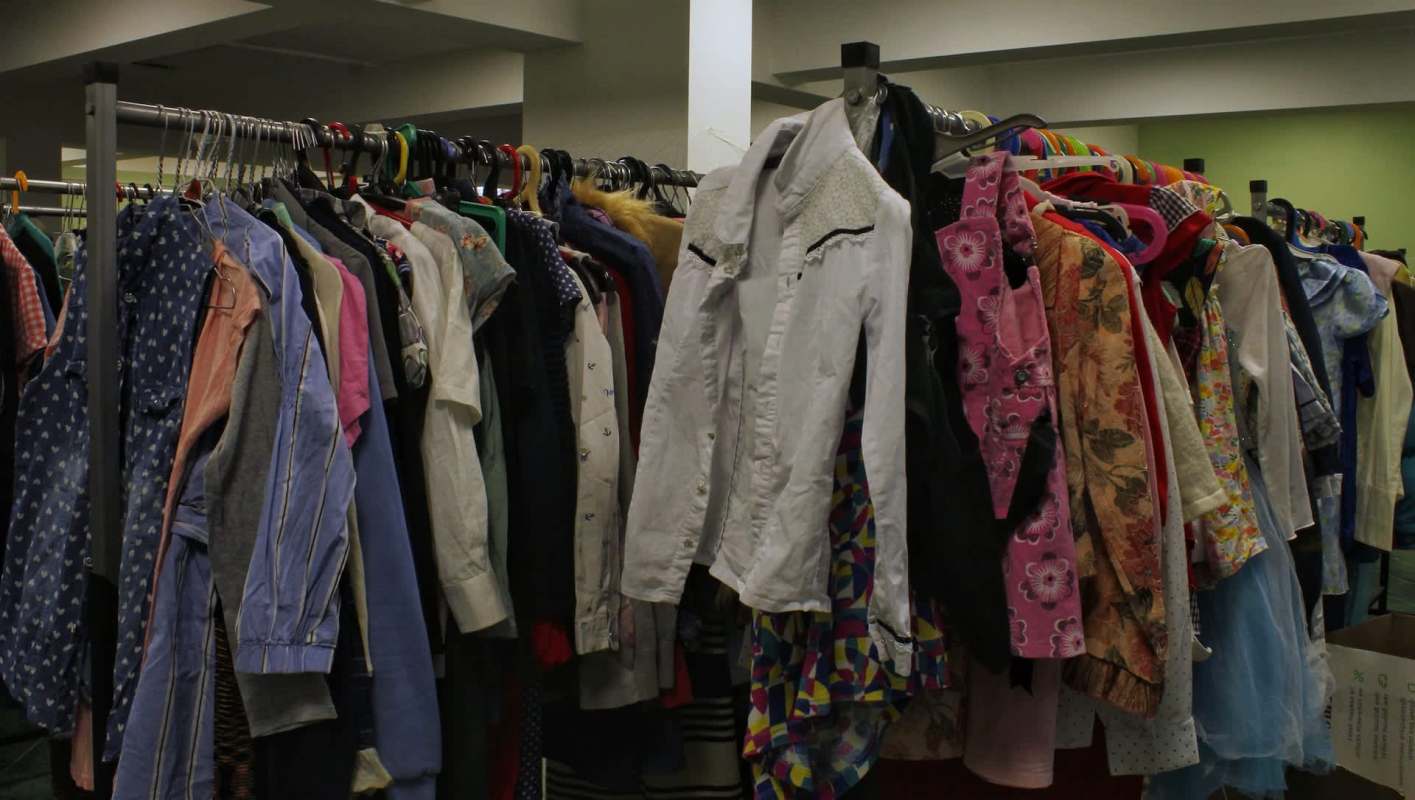
Secondhand shopping promises bargains, but one Salvation Army find had thrifters wondering when the prices went luxury.
A Redditor shared photos to r/ThriftGrift of two jackets with huge price tags. One was a well-worn beige hoodie priced at $45, and the other was a black denim jacket priced at a whopping $75.
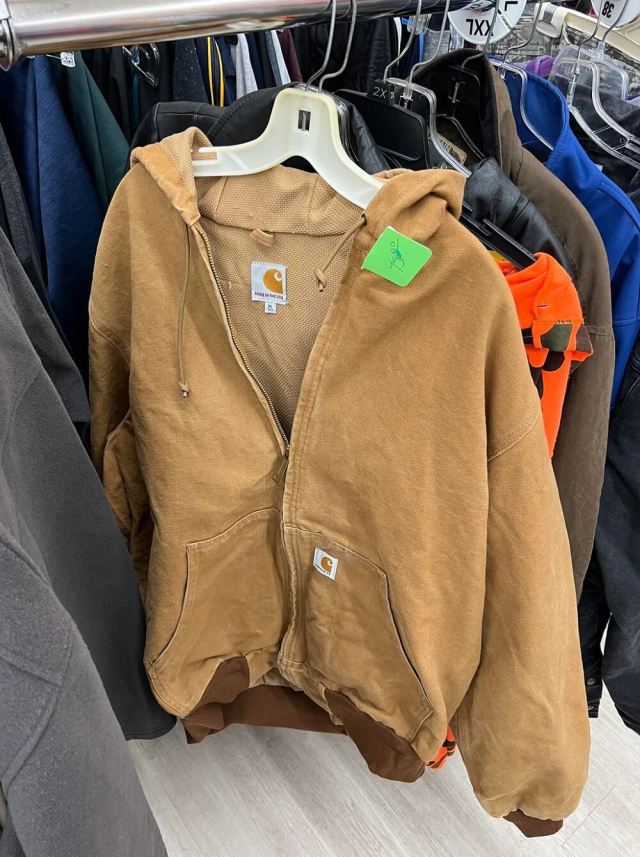
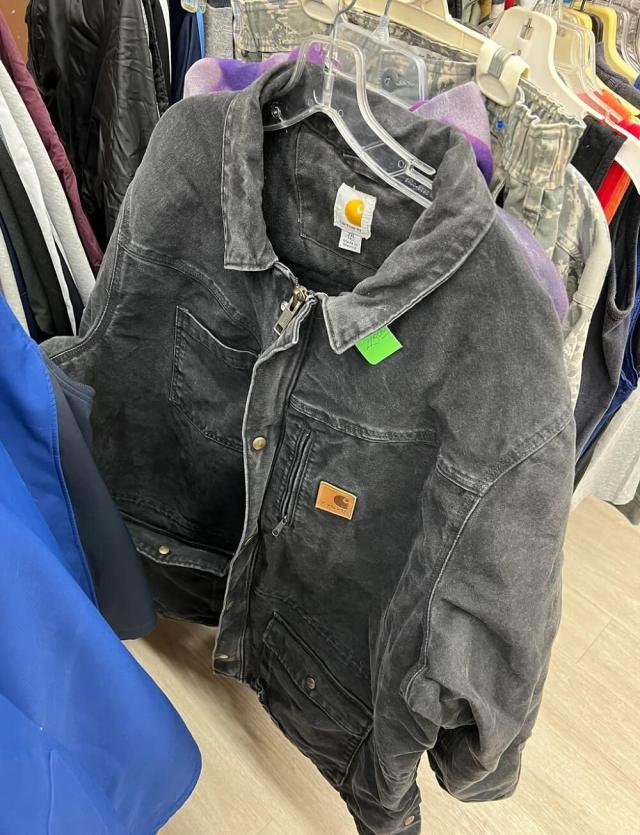
"Salvation Army has lost their minds," they wrote in their post. "Didn't buy for obvious reasons but gosh dang whoever is pricing this stuff is insane. It's just almost laughable and sad at this point."
Many of the fellow thrifters in the comments said that they've noticed similar pricing creep in at major thrift chains that were originally designed to make clothing and household goods accessible to people on tight budgets.
For many people, thrifting isn't just a hobby; it's a financial lifeline. Rising prices at secondhand stores can hit low-income shoppers the hardest, especially as the cost of basics continues to climb everywhere else.
Additionally, overpriced thrift goods can discourage reuse. It breaks down the circular economy and pushes people toward cheaper fast-fashion alternatives that generate more waste and pollution.
TCD Picks » Quince Spotlight
💡These best-sellers from Quince deliver affordable, sustainable luxury for all




Unfortunately, this trend isn't only happening in the clothing aisles. Inexplicable pricing has been showing up on everyday items like mugs and handbags at major thrift chains.
When secondhand prices climb too high, the entire system meant to keep usable goods out of landfills starts to break down.
At the same time, longtime thrifters know that these incidents are outliers.
Plenty of shoppers still walk away with incredible finds, including brand-name clothing selling for a fraction of its original cost or "white whale" discoveries that make the hunt worthwhile.
|
Would you be more likely to shop at a store that paid you for your old stuff? Click your choice to see results and speak your mind. |
 Absolutely 💯
 "$75!? That's nuts!" said one commenter.
Others shared that they've found alternative ways to keep participating in secondhand shopping.
"I used to shop and donate there. Now I post everything for free on Facebook," someone added. "I can't stomach donating to them anymore, even if it's way more of a hassle to deal with the people from the local buy nothing groups."
There are many ways to save money and cut down on waste. In the end, it's all about finding the places that work best for you and your budget.

Get TCD's free newsletters for easy tips to save more, waste less, and make smarter choices — and earn up to $5,000 toward clean upgrades in TCD's exclusive Rewards Club.






