


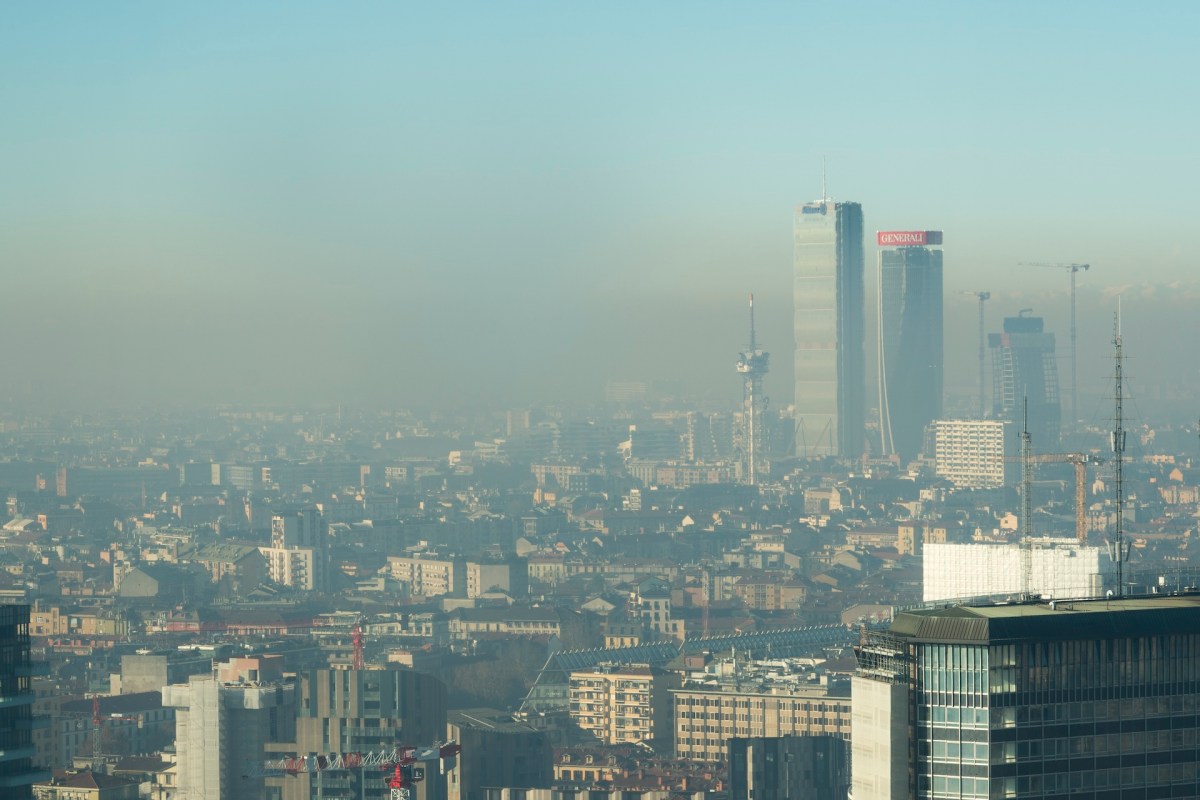
Scientists have discovered an unexpected source of air pollution caused by planes, and it has nothing to do with their exhaust.
What's happening?
A new study, published in the journal Environmental Chemistry and Ecotoxicology, examined the presence of Tire Wear Particles at the Milan Linate Airport in Italy.
Tire wear particles, or TWPs, are non-exhaust pollutants that shed from tires as they move across pavement.
Researchers found that the airport was a significant local source of hazardous organic compounds, specifically benzothiazole (BTH) components, which can be released from TWPs.
They discovered several types of BTH — which is used to produce antifreeze, de-icing solutions, and pesticides, among other industrial applications — in outdoor air, at levels comparable to those in cities with heavy traffic.
Why is this study concerning?
According to the researchers, this study provided the first evidence of benzothiazoles in atmospheric particulate matter at an airport.
TCD Picks » Quince Spotlight
💡These best-sellers from Quince deliver affordable, sustainable luxury for all




They described the compounds as "irritant, corrosive, and acutely toxic to living organisms."
A summary of the research published by News-Medical.net noted that the risk of occupational exposure to BTHs at Milan airport was low.
However, this study helps researchers better understand the environmental impacts of air travel.
For years, scientists have known that airplane exhaust contains harmful air pollutants such as sulfur dioxide and nitrogen oxides.
|
Do you feel like the air quality is safe where you live? Click your choice to see results and speak your mind. |
 Always 💯
 In fact, a 2010 study estimated that aircraft exhaust kills about 8,000 people annually.
Plus, air travel is a major contributor to the overheating of the planet, accounting for about 2.5% of global carbon dioxide pollution and about 4% of warming to date.
What's being done about it?
Airlines and experts have made several exciting advancements that could make air travel more eco-friendly in the future.
For instance, Delta is partnering with JetZero to overhaul its aircraft design, aiming to improve fuel efficiency by 50%.
And one group of scientists discovered that converting municipal solid waste into sustainable aviation fuel could reduce pollution by up to 90%.

Get TCD's free newsletters for easy tips to save more, waste less, and make smarter choices — and earn up to $5,000 toward clean upgrades in TCD's exclusive Rewards Club.







