


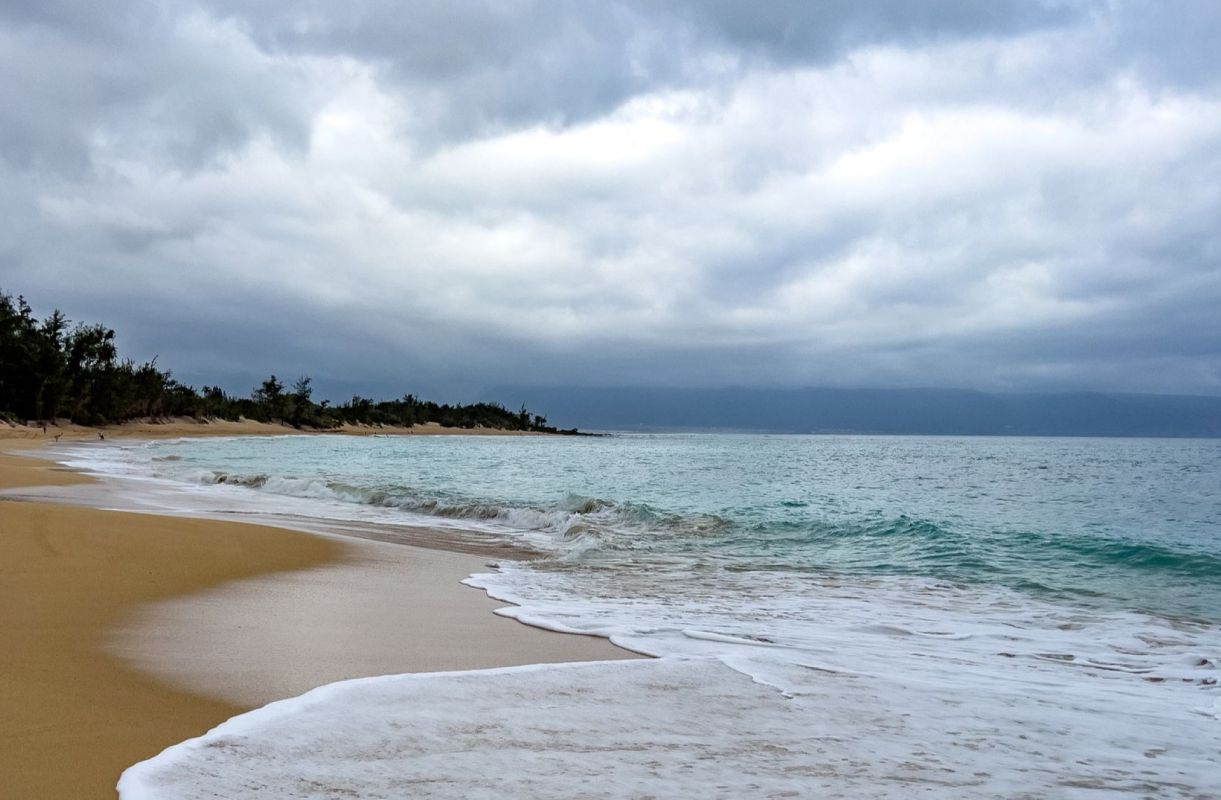
One town on Maui was forced to remove dozens of shoreline coconut trees after repeated damage tied to rising seas.
What's happening?
Officials in the small coastal town of Pā'ia announced the removal of 70 coconut trees that had suffered repeated damage after being submerged in water due to coastal erosion and saltwater intrusion over the years. County arborist Timothy Griffith said that while coconut trees are saltwater-tolerant, they are not completely resistant. He added that 50 trees located further inland have been protected from these impacts.
"Our county has cultivated, maintained and pruned more than 30,000 trees countywide, including 1,600 coconut and palm trees, over many decades," Griffith said in the statement. "The issue at Baldwin Beach Park is isolated to the shoreline area due to the negative impacts of climate change and salinization."
Why is this news important?
Over the past 100 years, sea-level rise has led to about a quarter mile of shoreline recession in Maui County, according to the Department of Parks and Recreation's 2022 Vulnerability and Adaptation Study.
Maui is not alone — as humans continue to burn fuel sources such as oil, coal, and gas, sea levels across the globe have steadily risen as the planet has warmed. According to NOAA, the global average sea level has risen eight to nine inches since 1880, and the rate of global sea level rise more than doubled from 0.06 inches per year throughout most of the 20th century to 0.14 inches per year from 2006–2015.
In addition to impacts such as Maui's dying coconut trees, sea level rise threatens people. In Africa, for instance, experts say sea-level rise is quickly accelerating, reshaping the coastline and threatening livelihoods. And researchers in China warn that low-lying delta cities such as Shanghai are at risk of rising seas in the coming years.
TCD Picks » Quince Spotlight
💡These best-sellers from Quince deliver affordable, sustainable luxury for all




In the United States, nearly 30% of the population lives in areas vulnerable to rising seas, per NOAA, and infrastructure such as roads, bridges, subways, water supplies, oil and gas wells, power plants, sewage treatment plants, and landfills are all at risk. The agency adds that higher background water levels help destructive storms like hurricanes push further inland and contribute to more high-tide flooding.
What's being done about sea-level rise?
Stopping sea-level rise will require a drastic reduction in air pollution. One of the best ways to move toward this goal is by voting for climate-friendly political candidates.
Another impactful move is using a gas-guzzling car less frequently. More planet-friendly transportation options include cycling, walking, taking public transit, and investing in an electric vehicle or e-bike.
|
Do you think America does a good job of protecting its natural beauty? Click your choice to see results and speak your mind. |
 Definitely 👍
Get TCD's free newsletters for easy tips to save more, waste less, and make smarter choices — and earn up to $5,000 toward clean upgrades in TCD's exclusive Rewards Club.







