


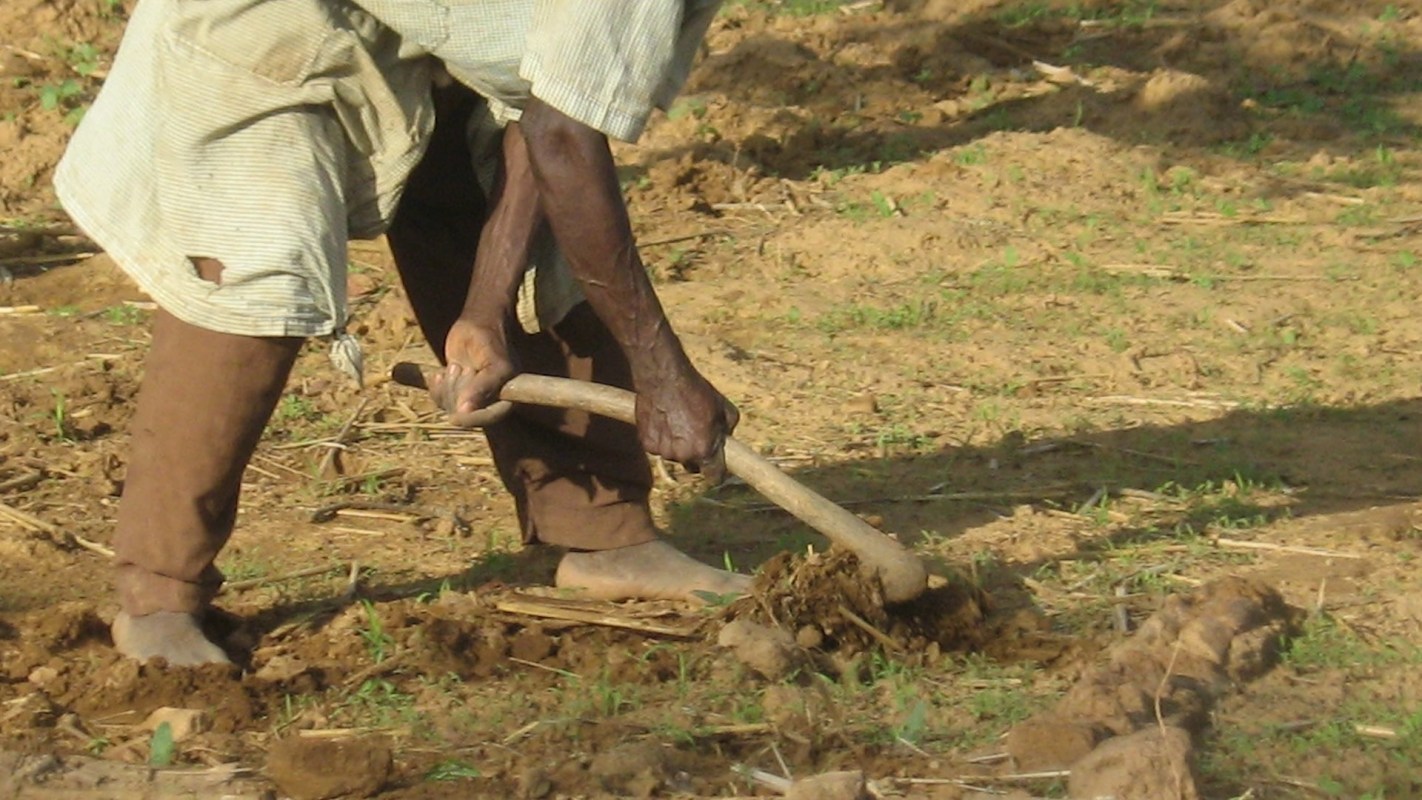
Researchers from the Global Burden of Crop Loss say that significant crop loss in Africa has increased food insecurity on the continent.
What's happening?
Pressure on food production systems in Africa is growing due to crop losses.
According to SciDevNet, an analysis by the Global Burden of Crop Loss found that the primary factors harming African crops are flooding, erratic rainfall, droughts, and biological threats.
In Kenya, small farmer Salome Kibunde saw her crops suffer because the weather that used to be predictable is now increasingly unpredictable. The result is too little rain at planting time and too much during harvesting, leading Kibunde to see her crop losses increase from two bags of rotten maize per year to six bags.
In Nigeria, as Yunusa Halidu — secretary of the All Farmers Association of Nigeria — explained to SciDevNet: "Flooding was not previously a major concern. But in the past two years, it has become one of the biggest challenges farmers face."
Why is this crop loss concerning?
In a world where over 773 million people already face hunger daily, according to the World Health Organization, increased crop loss will only worsen the situation.
TCD Picks » Quince Spotlight
💡These best-sellers from Quince deliver affordable, sustainable luxury for all




One study published in Nature estimated that for every degree Celsius the planet warms, the global agricultural industry's ability to produce food will decline to the equivalent of every person in the world losing 120 calories a day.
Already, Syrian farmers saw a 68% reduction in olive yields in 2025 compared to the previous year, and orange growers in Vietnam harvested only half their usual crops.
As the regular use of energy sources, such as oil and coal, continues to heat the planet, extreme weather events, including droughts and floods, will also escalate.
Crop yields will continue to decline, driving up the cost of the food that remains, making it more difficult than ever for people to purchase the food they need and increasing food insecurity worldwide.
|
What is the biggest reason you don't grow food at home? Click your choice to see results and speak your mind. |
 Not enough time ⏳
 Additionally, as farmers struggle to produce crops, they will experience significant income losses, likely leading to farm closures and job losses. This will contribute not only to higher food prices and food shortages but also to destabilized food supply chains.
What's being done to save crops in Africa?
The Global Burden of Crop Loss aims to determine where crop losses are most concentrated, the main causes, and how targeted interventions could alleviate the situation. By studying this, improved planning can shore up early-season responses and disaster-relief programs.
Farmers are also adapting and incorporating climate-smart agriculture, such as drought-resistant crops, to improve outcomes, while restoring land to minimize the impact of flooding and, when possible, investigating small-scale irrigation to support crops during droughts.

Get TCD's free newsletters for easy tips to save more, waste less, and make smarter choices — and earn up to $5,000 toward clean upgrades in TCD's exclusive Rewards Club.







