


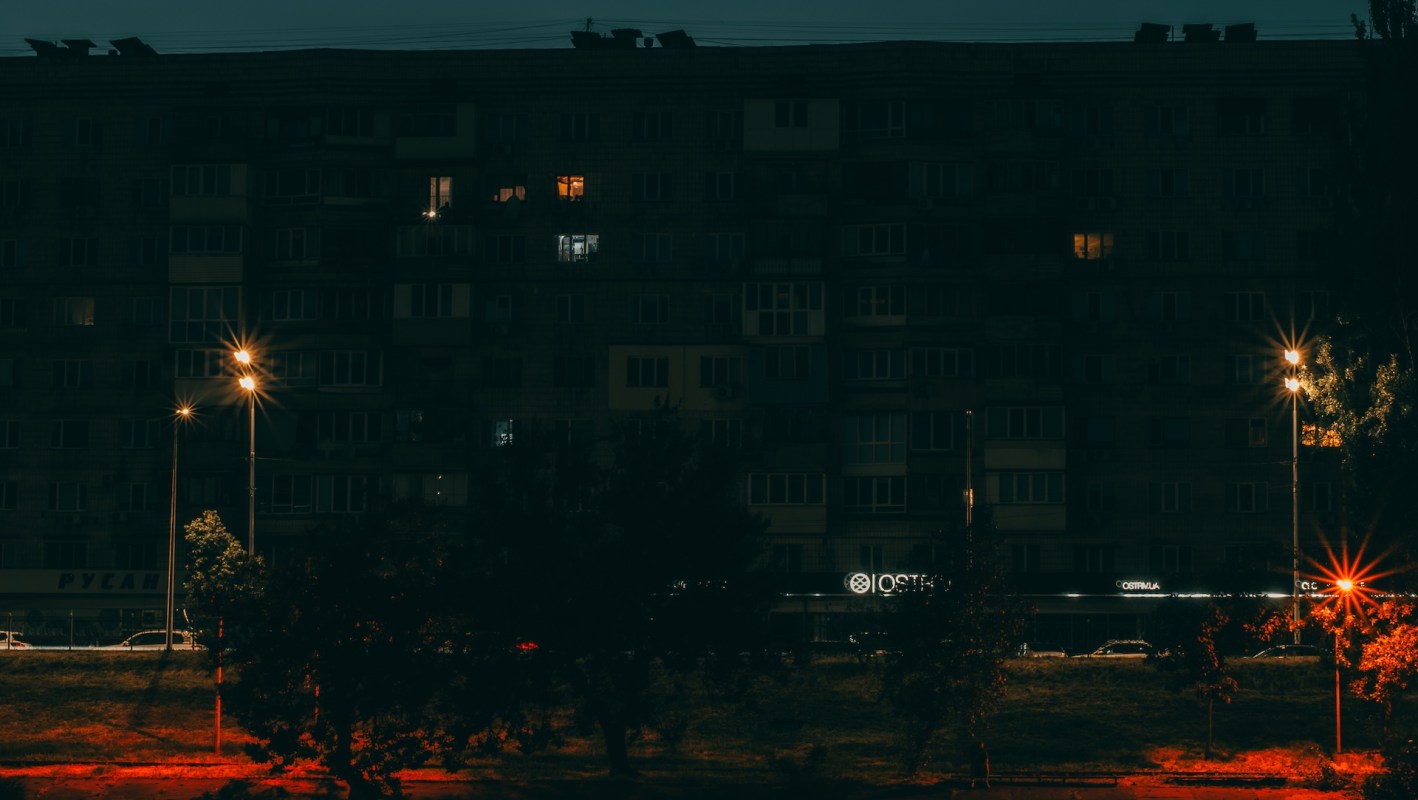
Power outages are becoming more common across the U.S., largely due to an increase in extreme weather events.
New research revealed that areas with AI data centers are also hot spots for power outages.
What's happening?
As Texas A&M University reported, the Urban Resilience AI Lab conducted a Nationwide Power System Vulnerability Index using AI.
The researchers used national laboratory data to study how weather events have impacted the duration and frequency of power outages over the past 10 years.
They found that extreme weather has been causing more power outages lately, which are lasting longer and affecting more utility customers. They also uncovered data showing that power outages have been more common in areas with AI data centers that consume large amounts of energy and other natural resources.
"We knew that the state of power system vulnerability nationwide is exacerbating, but the magnitude of that was shocking, and greater than we hypothesized," said Dr. Ali Mostafavi, one of the study's authors. "After 2019, we see a 20% annual increase in outage duration, frequency and magnitude."
Why are increasing power outages significant?
Power outages pose a serious threat, especially in vulnerable communities. Extreme weather events, such as heat waves and hurricanes, are prolonging power outages, leaving people without access to essential services like heating, air conditioning, and refrigeration.
When the power goes out, some people aren't able to travel to work and school, access healthy food, or keep their families safe and comfortable. Meanwhile, many people rely on medical devices that require electricity, putting their lives at risk when the power goes out.
Save $10,000 on solar panels without even sharing your phone number Want to go solar but not sure who to trust? EnergySage has your back with free and transparent quotes from fully vetted providers in your area. To get started, just answer a few questions about your home — no phone number required. Within a day or two, EnergySage will email you the best options for your needs, and their expert advisers can help you compare quotes and pick a winner. Solar panels can save you more than $50k over their 25-year lifespan, and EnergySage can help you save as much as $10k on installation. Which begs the question — isn't that worth an email or two? |

Additionally, there are socioeconomic disparities associated with prolonged power outages, as low-income communities often experience outages longer than wealthier ones. These vulnerable residents often struggle to recover after outages, exacerbating pervasive problems like poverty, hunger, and the inability to keep up with rising energy costs.
What's being done to protect people from power outages?
Research studies like the Texas A&M one help inform the public about power outage risks and spark action in local communities. They can also lead to greater advocacy among policymakers to better prepare for future frequent power outages.
|
Do you have a backup power system at your home? Click your choice to see results and speak your mind. |
 Not at all 🙅
 Other researchers have been working to overcome power outages by installing batteries powered by wind and solar energy in residential homes. You can also look into portable, solar-powered power stations to keep essential devices running during blackouts.
For example, one company, Pila, helps homeowners get home battery storage at an affordable price. Pila works with homeowners and renters find one-battery solutions to power your most crucial appliances. This approach can be a cost-effective alternative to backing up your entire home in preparation for blackouts.
Another company, EnergSage, offers backup battery options to help you power a larger home and find affordable installation prices.
But no matter how you approach backup battery power, research studies like this highlight the importance of establishing a setup at your home due to our evolving climate. Fortunately, adding backup battery storage to a home powered by clean energy is also an excellent way to save money on monthly utility bills and live off the grid.

Get TCD's free newsletters for easy tips to save more, waste less, and make smarter choices — and earn up to $5,000 toward clean upgrades in TCD's exclusive Rewards Club.






