


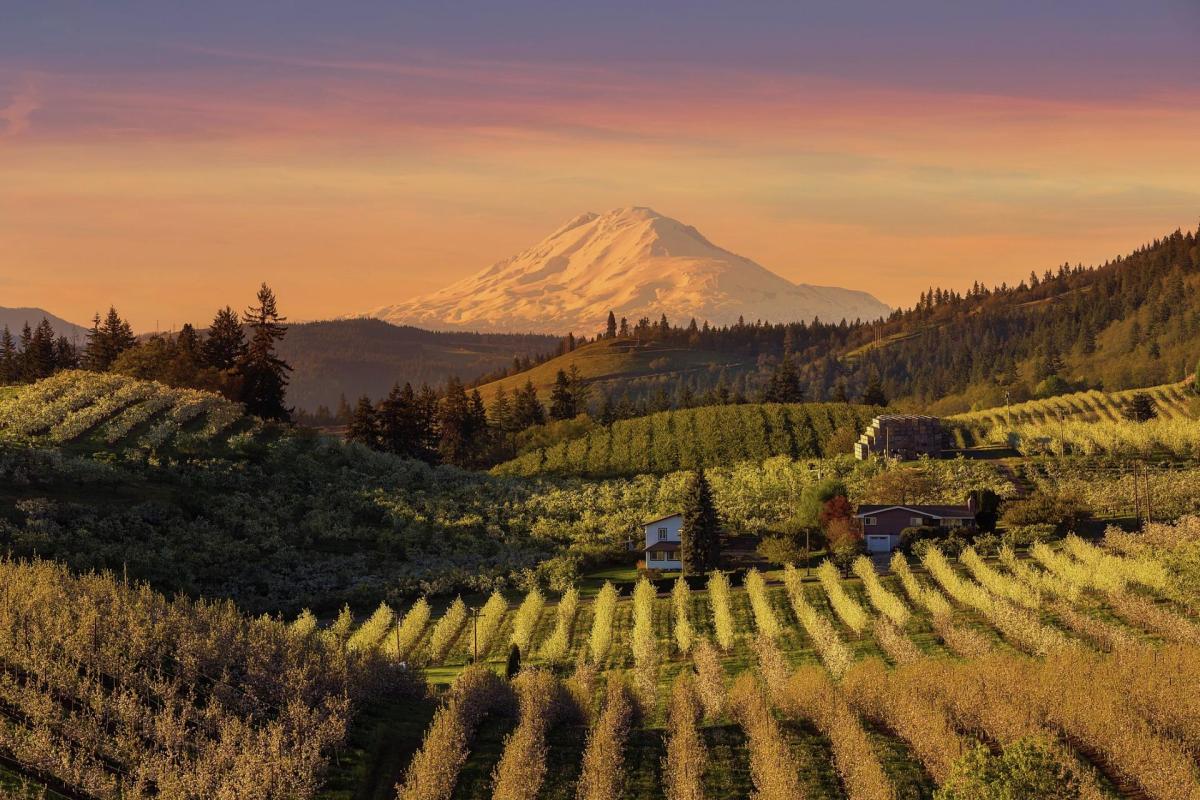
Unseasonably warm winter conditions are triggering changes across the U.S. In Oregon, experts said the unusually mild, dry weather is reshaping what winter looks like, raising concerns about what lies ahead as spring and summer approach.
What's happening?
According to the National Weather Service in Portland, December temperatures were the highest on record — beating previous highs by about 1 degree — and January has been much drier than normal. The region is experiencing a snow drought, reported KOIN, meaning far less snowpack than expected at this point in the season.
Without enough snow accumulation — something also happening across the western U.S. in states like Utah and California — forests can dry out faster once warmer months arrive.
Why is a warmer, drier winter concerning?
When snowpack is low, less water is stored for the dry months ahead. That can raise irrigation costs and reduce water availability for communities later in the year. Dry winters also set the stage for earlier and more intense wildfire seasons, putting homes, public health, and local economies at risk. Smoke exposure causes respiratory trouble, and wildfires disrupt school and work — even leading to evacuations and property damage that upend the lives of families.
At the same time, the warmth is confusing plants in places like Cornell Farm, west of Portland. As KOIN explained, "one example is this apricot tree with hundreds of little flowers. The problem: They're here months early."
If late frosts arrive — which is still very possible — those blooms could be killed before producing fruit. Plus, pollinators like bees are still mostly dormant this time of year, meaning flowers may never be properly pollinated.
TCD Picks » Quince Spotlight
💡These best-sellers from Quince deliver affordable, sustainable luxury for all




While isolated weather events and shifts have always existed, scientists say rising global temperatures driven by human activity are supercharging extreme weather, making snow droughts, wildfires, floods, and crop disruptions more common.
What's being done about shifting weather patterns?
For Oregon, forecasters said there's still a chance the state could recover some snow later in winter, particularly if February and March bring colder storms. But experts said being prepared is essential when dealing with unpredictable weather. State agencies do this by monitoring snowpack and fire risk, while farmers and gardeners can adjust planting strategies and take extra steps to protect vulnerable crops.
In the long term, efforts to adapt and become more resilient to volatile weather patterns can include smart forest management, water conservation, and early warning systems for extreme weather.
It's also essential that we address critical climate issues and slash our contributions to pollution. From transitioning to renewables and decarbonizing industries like transportation, every shift away from problem-causing pollution makes a difference.
|
Do you think your city has good air quality? Click your choice to see results and speak your mind. |
 Definitely 🥰
Get TCD's free newsletters for easy tips to save more, waste less, and make smarter choices — and earn up to $5,000 toward clean upgrades in TCD's exclusive Rewards Club.







