


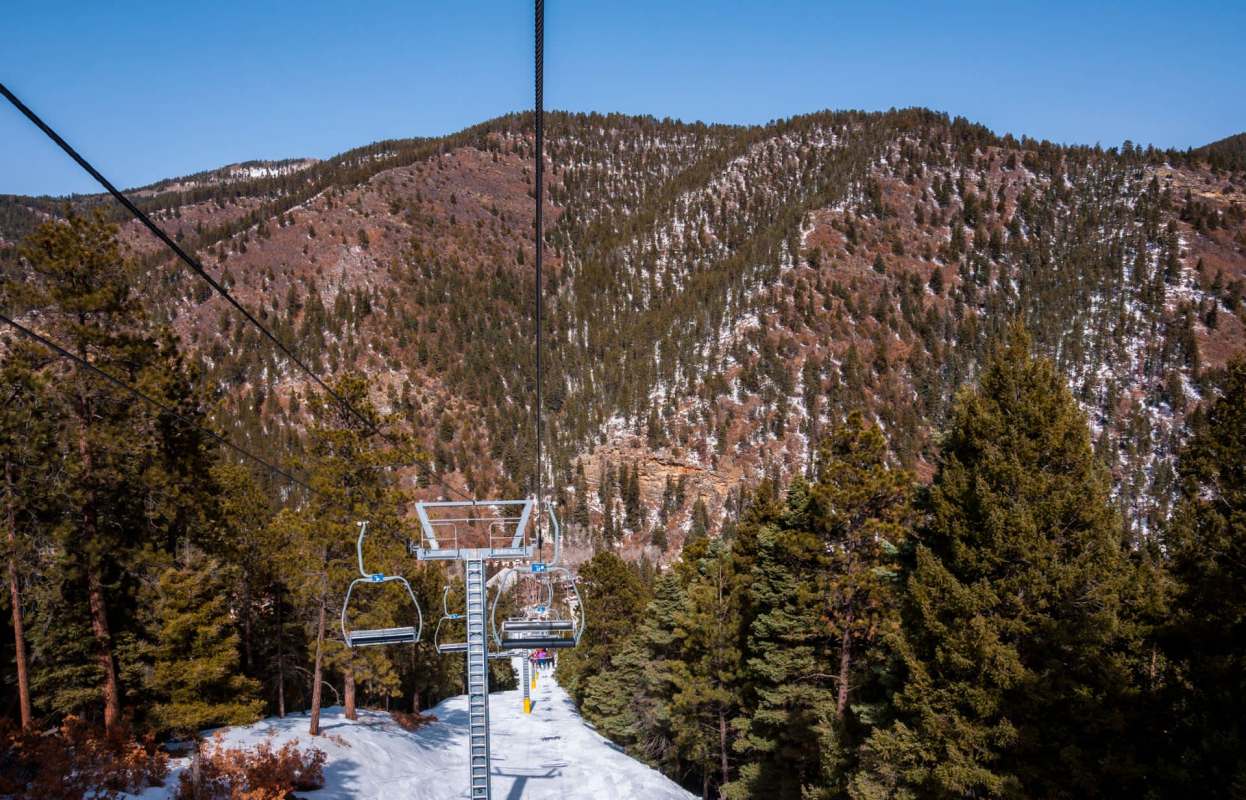
Warmer winters are creating a growing problem for mountain towns that rely on cold-weather tourism, and Red River is feeling that pressure firsthand.
The northern New Mexico ski town depends heavily on winter visitors, but rising temperatures and a lack of natural snowfall have led to fewer travelers and less income.
What's happening?
According to KOAT, Red River has seen unusually mild temperatures and limited snowpack this winter.
Local officials have said that about 85% of the town's economy is tied to tourism, with skiing playing an outsized role during the winter months.
"We'd always rather have an average or above-average snow year," said Michael Calhoun, founder of Red River Brewing Company, who has lived in the town for more than five decades. This season, though, hasn't delivered.
"Even in the years where Mother Nature doesn't help us out, we can make our own snow," he added, pointing at the resort's reliance on snowmaking.
TCD Picks » Quince Spotlight
💡These best-sellers from Quince deliver affordable, sustainable luxury for all




Town leaders say investments in advanced snowmaking equipment have helped keep runs open, even with only about 20 inches of base at the resort, but artificial snow can only go so far.
Why is this concerning?
While a single warm winter doesn't tell the whole story, scientists agree that long-term warming trends are making low-snow seasons more common and more severe.
Extreme weather has always existed, but human activity has led to shorter, less reliable winters.
The economic stakes are high. Research shared by Earth.org showed that from 2000 to 2019, the average ski season in the U.S. was shortened by five to seven days, a figure expected to double by 2050.
|
Do you think America does a good job of protecting its natural beauty? Click your choice to see results and speak your mind. |
 Definitely 👍
 Meanwhile, data from Protect Our Winters found that low-snow years can cost more than $1 billion and eliminate over 17,000 jobs compared to average seasons.
Some resorts haven't survived the shift. In France, the ski area Alpe du Grand Serre closed permanently ahead of the 2024–25 season, putting roughly 200 jobs at risk and demonstrating exactly how warmer winters can hollow out entire communities.
When snow disappears, the impacts ripple outward, threatening livelihoods and even public health as communities struggle with the economic instability caused by extreme weather.
What's being done about it?
In Red River and many other resorts facing similar issues, snowmaking has become a crucial short-term lifeline, allowing businesses to stay open and visitors to keep coming.
The town is also leaning into year-round tourism, promoting hiking, biking, and summer festivals to reduce dependence on winter alone.
For readers looking to make an impact, the best thing to do is educate yourself about the critical climate issues our planet is facing, as being informed is the first step toward positive change.

Get TCD's free newsletters for easy tips to save more, waste less, and make smarter choices — and earn up to $5,000 toward clean upgrades in TCD's exclusive Rewards Club.






