


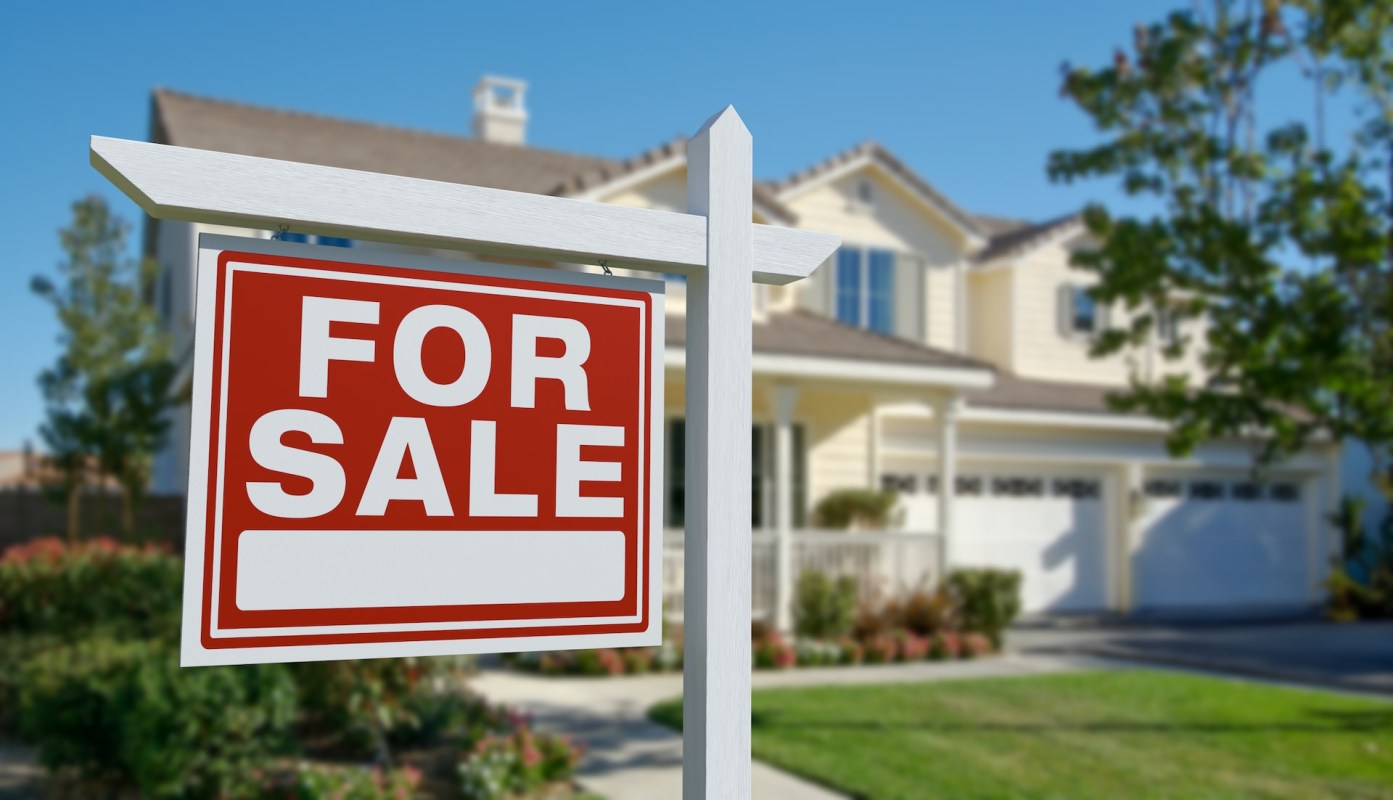
A recent study from Zillow revealed that more than 80% of prospective homebuyers consider climate risks when shopping for a new home.
By the end of 2024, the largest real estate site in the U.S. had added climate-risk data from First Street to its listings. However, Zillow quietly removed that data near the end of last year, according to The New York Times.
What are climate risks?
A climate risk refers to potential negative impacts from rising global temperatures.
While risks aren't necessarily weather-related or confined to the housing market, a warming climate is altering weather patterns and ecosystems, weakening natural protections and putting even historically safe properties in harm's way.
Zillow provided information on property climate risks in five key categories: flood, wildfire, wind, heat, and air quality.
Why is this important?
As The New York Times detailed, before sites like Zillow began providing climate-risk data, many buyers had no way to determine whether their homes were vulnerable to events like floods or wildfires. Roughly one-quarter of states don't have flood-disclosure laws, while the federal government has acknowledged its data is insufficient to completely assess risks.
TCD Picks » Quince Spotlight
💡These best-sellers from Quince deliver affordable, sustainable luxury for all




Across the country, residents are at risk of losing their homes as insurance premiums soar. Others have gone without coverage altogether, putting nearly $2 trillion in property value at risk.
How climate-risk data helps homebuyers
Climate-risk data helps buyers determine whether a property is a good fit and get an idea of possible insurance difficulties.
"I referred to that climate risk information in my search for land. I found it fascinating and helpful in evaluating properties and pricing. It is ridiculous to pretend it does not exist, or should not be available to buyers," one reader shared in the comments section of the NYT article.
Meanwhile, one of the country's largest housing databases, which Zillow relies on for some of its listings, appears to have influenced Zillow's decision to remove its climate scores.
|
Do you worry about having toxic forever chemicals in your home?
Click your choice to see results and speak your mind. |
 Majorly 😥
 The California Regional Multiple Listing Service said it was "suspicious" of Zillow's modeling and complained, according to the NYT. However, research showed Zillow's partnership with First Street "repeatedly outperformed" government maps in assessing risk.
"C.R.M.L.S.'s real objection to including the data on Zillow is apparently less scientific than financial: Climate-risk scores might lower listing prices, which affect what real estate agents earn," John Marshall wrote in his guest essay for the NYT opinion section.
For now, Zillow has removed its climate-risk data. However, popular platforms like Redfin, Realtor.com, and Homes.com still include climate scores for their listings.
If you believe property listings should regularly include climate-risk data, you can advocate for stronger protections, including by contacting your state and federal representatives.

Get TCD's free newsletters for easy tips to save more, waste less, and make smarter choices — and earn up to $5,000 toward clean upgrades in TCD's exclusive Rewards Club.






