


Get your binoculars out quickly because birdwatchers in the U.K. just spotted two rare birds.
According to the Sussex Ornithological Society, eagle-eyed residents recently witnessed a red-necked grebe and a black-necked grebe (described here by The Wildlife Trusts). Both are uncommon sights during winter.
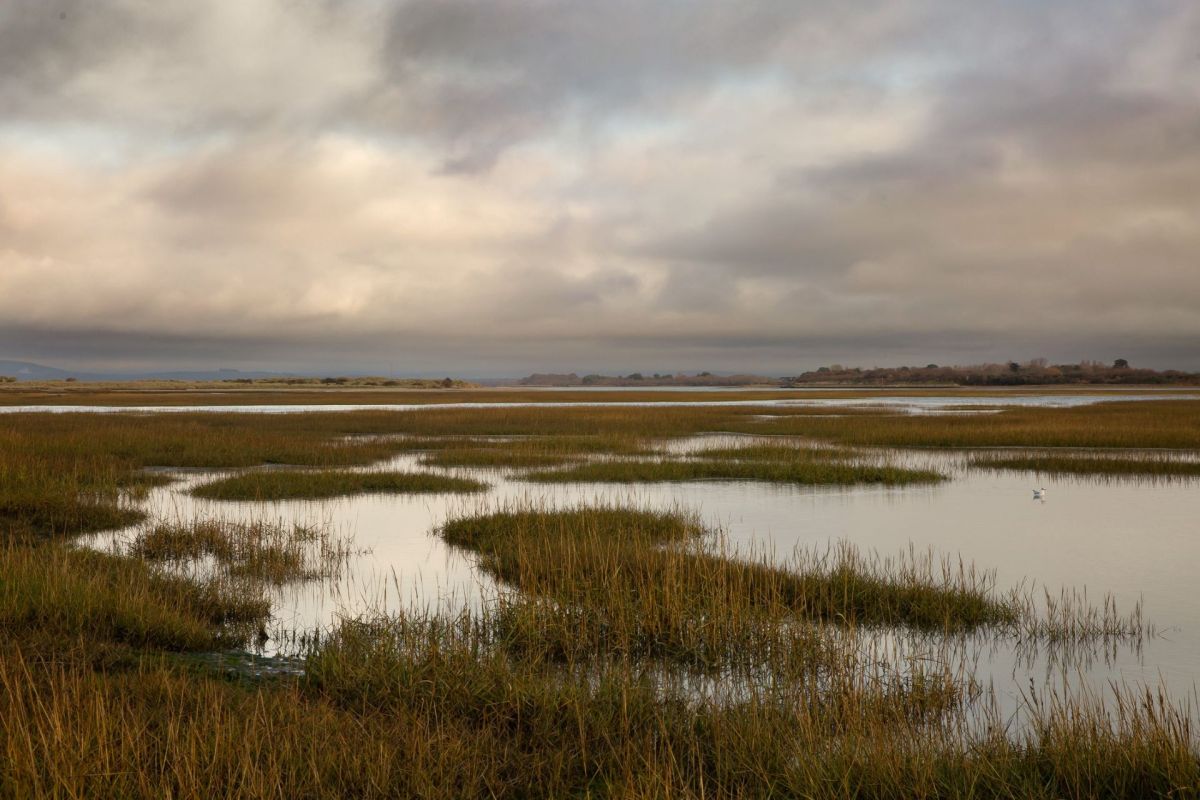
The red-necked grebe was spotted at the Southwick Canal and stayed there for four days, while the black-necked grebe was spotted at Pagham Lagoon in West Sussex, according to the Express.
The red-necked grebe wasn't the easiest to spot, but "many people got to see it during its four-day stay," a birdwatcher said, according to the Mirror.
The red-necked grebe is considered extremely rare in Britain, particularly during winter, and is listed as "Red" under the Birds of Conservation Concern classification. The black-necked grebe is also scarce, with only about 50 known breeding pairs in the U.K., largely due to habitat loss and warming global temperatures, according to the Royal Society for the Protection of Birds.
Grebes are known to live along sheltered bays and coasts along the south and east coasts of England and Scotland, according to Wild London. They dive in water for food, catching fish, crustaceans, and aquatic insects. Only a handful of birds remain in the U.K. throughout summer, with nesting attempts even more rare.
TCD Picks » Quince Spotlight
💡These best-sellers from Quince deliver affordable, sustainable luxury for all




Beyond excitement for birdwatchers, sightings like these offer real value for conservation efforts. Experts increasingly rely on rare sightings like this, trail cameras, and remote monitoring to track rare species, assess population health, and document habitat restoration efforts. With the red-necked grebe's nesting locations often kept secret, these sightings are crucial for science.
Protecting birds like grebes doesn't just benefit birdwatchers. Grebes dive for food along coasts, helping maintain small animal populations, per the Alberta Institute for Wildlife Conservation. Healthy bird populations are indicators of thriving ecosystems, cleaner water, resilient food systems, and stronger natural defenses against fires, droughts, and floods, as the Audubon Society explained.
Some efforts like wetland reserves for bitterns in the U.K., farmland restoration for the bobwhite quail in Maryland, and "de-extinction" companies working with California condor populations are helping restore habitats that endangered birds like the grebe rely on.
These grebes also have elaborate courtship routines involving "pairs meeting breast-to-breast and rising from the water, with lots of head shaking," according to the Wildlife Trusts.
|
Should schools teach more about gardening and lawn care?
Click your choice to see results and speak your mind. |
 It should be a main subject 💯
 As breeding red-necked grebes are so rare, the location of any pairs attempting to nest is kept secret to "protect them from disturbance."
That makes this sighting particularly special for those birding fans who got to see it.

Get TCD's free newsletters for easy tips to save more, waste less, and make smarter choices — and earn up to $5,000 toward clean upgrades in TCD's exclusive Rewards Club.







