


A single trail camera in a remote Australian sanctuary recorded the reappearance of a northern quoll. Scientists had not expected to find this "northern native cat" still active at the Piccaninny Plains Wildlife Sanctuary.
IFLScience reported that the sighting confirmed the species' presence at that sanctuary within the Northern Kaanju Country for the first time in over 80 years.
The northern quoll (which is actually a marsupial rather than a feline) thrived in northern and eastern Australia until its numbers sharply dropped in the 20th century, as detailed by the news outlet.
Invasive cane toads disrupted the ecosystem and produced toxins that harmed the northern quolls when the quolls tried to prey on them. Feral cats, habitat clearing, and poorly managed fires added to the problem.
At Piccaninny Plains, survey work that started in 2008 captured images of other wildlife with trail cameras, but none of the quolls were recorded, per the Australian Wildlife Conservancy.
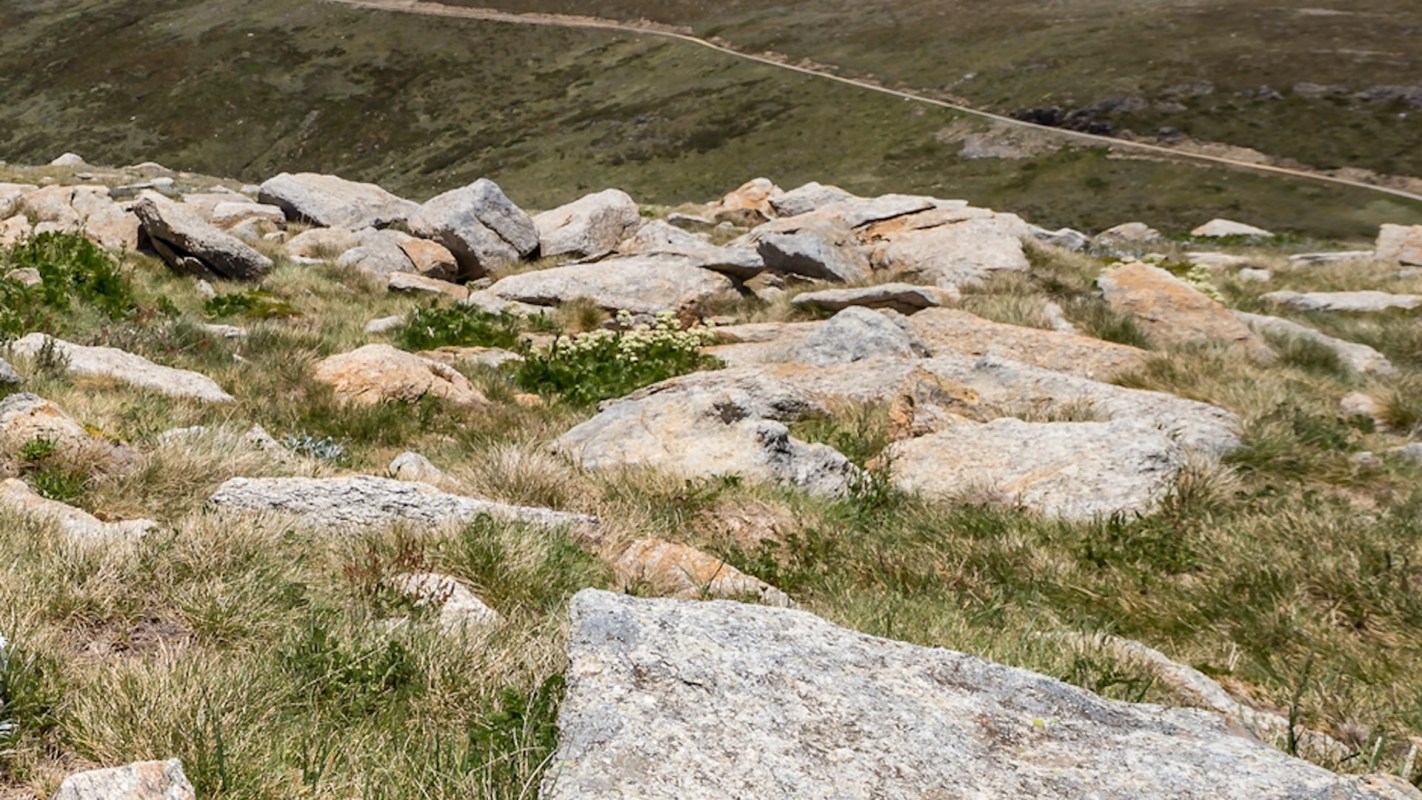
Then, in late 2025, sanctuary manager Nick Stock noticed an isolated rocky outcrop while flying over the area and decided to place a single camera at the site. Just days later, the camera captured a northern quoll crossing the rocks.
TCD Picks » Quince Spotlight
💡These best-sellers from Quince deliver affordable, sustainable luxury for all




"It was a fantastic surprise," said Dr. Helena Stokes of the Australian Wildlife Conservancy. "After years of no sightings, to finally confirm a northern quoll on the sanctuary is hugely uplifting for our team."
Stokes noted that the sighting showed how long-term monitoring, sound science, and threat control can produce results.
Trail cameras give researchers access to wildlife that may not be possible with in-person surveys. Images collected over weeks or months can show where rare animals move, how often they return, and whether an area still supports their survival. These also let scientists see whether conservation efforts are working.
Footage from trail cameras documented a Canada lynx in northern Minnesota moving in full daylight. In another sighting in Colorado, a camera captured a lynx trekking through snow.
|
Do you think America does a good job of protecting its natural beauty? Click your choice to see results and speak your mind. |
 Definitely 👍
 Long gaps between recordings don't always signal disappearance. In Papua New Guinea, photographer Tom Vierus documented a New Britain goshawk after more than 50 years of zero confirmed sightings.
The follow-up surveys in Piccaninny Plains revealed conditions that possibly helped the quoll persist. Fire management kept the surrounding area largely protected and unburned. Nearby cameras also showed no signs of feral cats and other predators, per IFLScience.
Protecting native habitats supports wildlife and the people who depend on balanced ecosystems. Rewilding our own landscapes also improves soil health and water systems, helping communities and nature thrive together.
For the researchers working in the sanctuary and its surroundings, the sighting validated years of effort and inspired them to do more.

Get TCD's free newsletters for easy tips to save more, waste less, and make smarter choices — and earn up to $5,000 toward clean upgrades in TCD's exclusive Rewards Club.







