


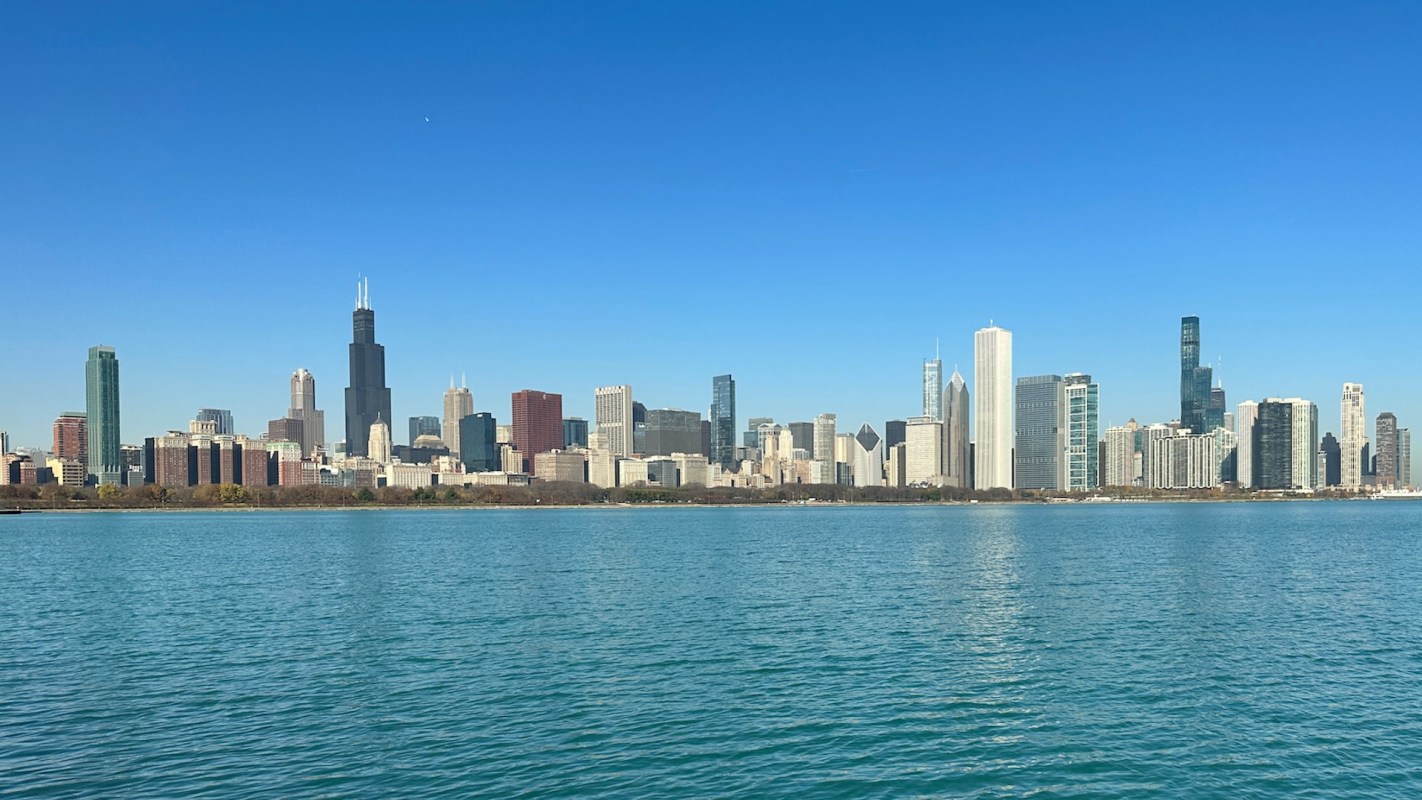
The Great Lakes, a group of five large freshwater lakes in the northern Midwest, are undergoing numerous changes due to human activity and subsequent climate shifts.
From toxic algae to plastic pollution and species declines, these waterways look very different than they did just a few years ago.
What's happening?
As Fox 2 Detroit reported, the Department of Environment, Great Lakes, and Energy released its report about the health of the Great Lakes.
An iconic fish species, the whitefish, has been overfished, is vulnerable to the invasive quagga mussel, and is losing habitat.
Water quality is a significant issue in the Great Lakes. Streaks of green along Lake Erie's shoreline are visible from space. Wastewater treatment plants and unsustainable agricultural practices have created algal blooms and toxic plumes.
Meanwhile, plastic pollution is a growing problem, with 22 million pounds of plastic waste entering the lakes annually. Over time, this waste breaks down into microplastics, which are challenging to filter out and can harm human health.
TCD Picks » Quince Spotlight
💡These best-sellers from Quince deliver affordable, sustainable luxury for all




Why is lake health important?
The health of the Great Lakes and other lakes worldwide is vital because they support diverse ecosystems and provide habitats for numerous species.
Hundreds of species rely on individual lakes for survival. Meanwhile, healthy lakes offer recreational opportunities such as fishing and swimming, boosting local economies and improving quality of life.
Lakes play a vital role as natural carbon sinks, helping capture and store polluting gases. In this way, they contribute to cleaner air and water, benefiting human health and ecological balance.
"Michiganders share a remarkable privilege — and responsibility — to protect and sustain our water resources great and small," EGLE Director Phil Roos said. "Our lakes, rivers, and groundwater drive our economy and shape our way of life."
|
What's the most you'd pay per month to put solar panels on your roof if there was no down payment?
Click your choice to see results and speak your mind. |
 $200 or more 💰
 What's being done to clean and conserve the lakes?
Not all findings from the department's report were discouraging. One piece of good news is that endangered piping plover recovery efforts have been successful, as the bird's population is increasing near Sleeping Bear Dunes.
Another successful revitalization effort was noted in downtown Detroit: the opening of Ralph C. Wilson Jr. Park, a 22-acre green space along the river.
Reports such as this one shed light on concerning environmental issues and spark advocacy among government leaders and the public. Successful lake conservation projects set positive examples on how to improve water quality and address pollution.
In the Wolverine State, government leaders are working to understand pollution in the Great Lakes and prevent it. They've approved an additional $2 million in funding for related research.
If you are interested in supporting lakes in your community and beyond, consider taking local action by volunteering for cleanup efforts. You can also share information about or donate money to conservation groups that work to restore and protect lakes in practical and sustainable ways.

Get TCD's free newsletters for easy tips to save more, waste less, and make smarter choices — and earn up to $5,000 toward clean upgrades in TCD's exclusive Rewards Club.







